 Dog Grooming Products
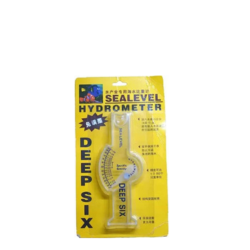
Hydrometer (Aquarium Salinity Tester)
A hydrometer is a simple and affordable tool used to check salinity in saltwater aquariums. It measures specific gravity (SG), which tells you whether your salt mix is in the right range for marine fish and reef systems. Moreover, it is easy to use, which makes it popular for beginners and routine weekly checks.
If you want steady results without complex equipment, an aquarium hydrometer is a practical choice for everyday maintenance.
What a hydrometer is used for?
A salinity hydrometer helps you:
-
Measure specific gravity in marine aquarium water
-
Mix new saltwater accurately for water changes
-
Monitor salinity after top-ups and evaporation
-
Prevent fish stress caused by sudden salinity swings
Therefore, it is ideal for:
-
Fish-only marine tanks
-
Reef tanks (as a basic monitoring tool)
-
Quarantine or hospital marine setups
-
Mixing saltwater in buckets or containers
Why stable salinity matters
In a saltwater tank, stability is everything. Even small swings can stress fish and corals. That is why using a specific gravity tester helps you keep salinity consistent during water changes and regular maintenance.
Additionally, stable salinity supports better:
-
Fish breathing and comfort
-
Coral extension and growth
-
Overall tank balance and predictability
Key features to look for
A good hydrometer for aquarium use usually has:
-
Clear SG scale (often around 1.000 to 1.030+)
-
Easy-to-read markings for the reef range
-
Durable body (especially in plastic models)
-
Stable floating or swing action for consistent readings
-
Design that reduces trapped bubbles for better accuracy
How to use a hydrometer (step-by-step)
For swing-arm hydrometer
-
Rinse the hydrometer with clean water (not soap).
-
Fill it slowly with aquarium water to the marked line.
-
Tap gently to remove air bubbles on the swing arm.
-
Place it on a flat surface and wait a few seconds.
-
Read the SG value where the arm settles
So, in less than a minute, you can confirm salinity before adjusting anything.
Best SG range for marine aquariums
Many marine and reef aquariums aim for around 1.025–1.026 SG (depending on temperature and livestock needs). However, the most important goal is consistency. Therefore, avoid sudden adjustments and change salinity slowly when needed.
Tips to get accurate hydrometer readings
-
Remove bubbles (especially with swing-arm models)
-
Use water at consistent temperature when possible
-
Rinse after every use to prevent salt buildup
-
Do not leave it in the tank long-term (salt deposits can affect readings)
-
Compare occasionally with a trusted reference tool for confidence
Additionally, always measure after saltwater is fully mixed and circulated.
Who should buy a salinity hydrometer?
A salinity tester for marine tank setups like this is perfect for:
-
Beginners starting a marine aquarium
-
Fish-only saltwater tanks
-
Hobbyists who want a quick weekly SG check
-
Anyone who mixes saltwater at home for water changes
Moreover, it’s a good backup tool even if you already use other testing equipment.
FAQs
Is a hydrometer accurate enough for reef tanks?
A hydrometer can work well for routine checks if used carefully. However, accuracy depends on correct technique, bubble removal, and keeping the unit clean.
Why do I get different readings each time?
Most differences come from trapped bubbles, salt deposits, or reading at the wrong angle. So, rinse well, remove bubbles, and read at eye level.
How often should I test salinity?
Test during every water change and after big top-ups. Additionally, test weekly if you want tighter control.


Reviews
Clear filtersThere are no reviews yet.