Planted Aquarium Products Online India
Written by Pavan and Koushik | Planted Aquarium Hobbyists and Co-founders, Ocean Paws Hyderabad | Last updated: September 2026
A planted aquarium is the most visually rewarding freshwater setup you can build. When you get the balance right between light, fertiliser and carbon dioxide, the result is a tank where plants grow dense and green, fish look more vibrant against natural cover, and the whole setup becomes something people stop and look at every time they walk past it.
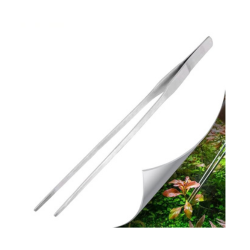
At Ocean Paws we stock a complete range of planted aquarium products including aquarium soil, fertilisers, CO2 systems, planted lights, scissors, tweezers and everything else a planted tank hobbyist in India needs. Every product is chosen based on what actually works in Indian water conditions and Indian room temperatures, not just what looks good in a catalogue.
Why Planted Aquariums Are Worth the Extra Effort
A planted aquarium is more work than a simple fish-only tank, but the extra effort pays off in ways that matter. Live plants absorb ammonia, nitrite and nitrate from the water, acting as a natural biological filter that works alongside your mechanical filtration. Fish that live among live plants show better colour, less stress and more natural behaviour than fish in bare or artificially decorated tanks. Planted tanks also support dwarf shrimp and small fish species that are difficult to keep in tanks without cover and soft water parameters.
In India, a planted tank gives you one more significant advantage. The lush green growth and natural wood and rock layouts require no maintenance of a fish-only tank while naturally reducing the frequency of water changes you need to do, because healthy plants consume the nitrates that would otherwise build up and require you to change water more often.
The Three Things Every Planted Aquarium Needs
Light
Plants convert light into energy through photosynthesis. Without adequate light at the right spectrum, plants cannot grow regardless of how good your soil or fertiliser is. A planted aquarium light needs to deliver enough PAR at the substrate level for your specific plant selection. Easy low-light plants like Java Fern, Anubias and Cryptocoryne varieties need modest light levels. Demanding stem plants, red plants and carpeting plants like Monte Carlo and Hemianthus callitrichoides need significantly more intensity and consistency.
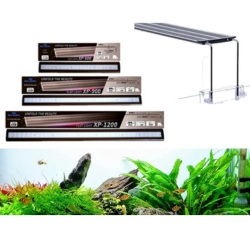
In India, LED planted lights are the most practical choice. They run cooler than fluorescent alternatives, which matters in Indian room temperatures, use significantly less electricity and last for years without output degradation. See our planted aquarium lighting range.
Nutrients
Aquatic plants need a steady supply of macronutrients including nitrogen, phosphorus and potassium, and micronutrients including iron, manganese and other trace elements. In a tank with fish, fish waste provides some nitrogen and phosphorus naturally. But potassium and iron are almost always deficient without supplementation, and their deficiency shows up clearly as pinholes in older leaves and yellowing of new growth.
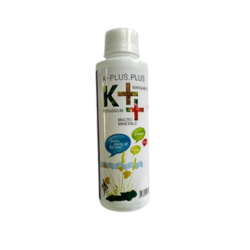
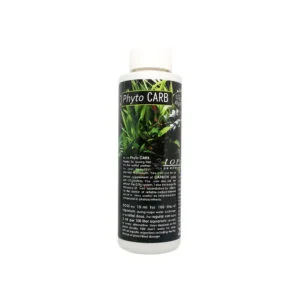
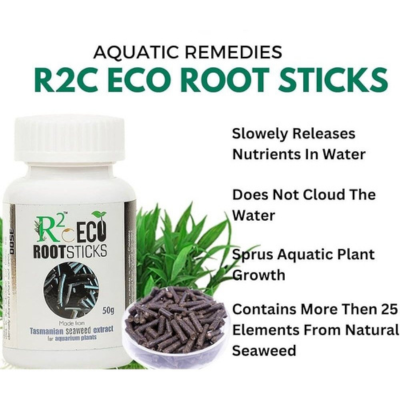
A quality planted aquarium fertiliser addresses these gaps reliably. For low to medium tech setups, an all-in-one liquid fertiliser dosed a few times a week covers most nutritional requirements without needing to manage multiple bottles. For high-tech CO2-injected systems with demanding plants, separate macro and micro dosing gives more precise control. Browse our planted aquarium fertiliser range.
Carbon Dioxide
Carbon dioxide is the single most important factor in plant growth. Plants use CO2 for photosynthesis along with light and nutrients. In a low-tech tank without CO2 injection, plant growth is limited to what the fish and bacterial activity naturally produce. This is enough for easy low-light plants but not enough for carpeting plants, red stem plants or any species that requires higher growth rates.
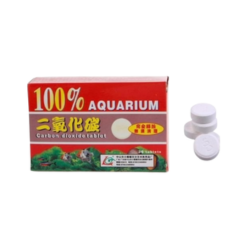
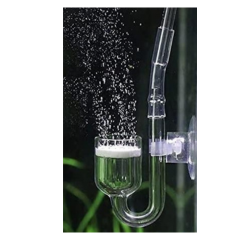
A pressurised CO2 system with a regulator, diffuser and drop checker gives you precise control over CO2 concentration in the water. The target for most planted tanks is 25 to 35 ppm of dissolved CO2. At these levels, most aquatic plants grow visibly faster and hold significantly better colour than they do without CO2 supplementation.
Types of Planted Aquarium Setups
Low-Tech Planted Tank
A low-tech planted tank runs without pressurised CO2 injection and with moderate lighting. It is the easiest entry point into planted tank keeping and suits Indian hobbyists who want a naturally beautiful tank without high equipment costs or complex maintenance routines. The key to a successful low-tech tank is choosing plants that naturally grow slowly and efficiently in low CO2 conditions: Java Fern, Anubias nana, Cryptocoryne wendtii, Vallisneria, Microsorum pteropus and mosses like Java Moss and Christmas Moss.
Low-tech tanks are forgiving, beautiful and genuinely low maintenance once established. They are the right choice for most Indian beginners.
Medium-Tech Planted Tank
A medium-tech planted tank uses a CO2 system, moderate to high lighting and a regular fertiliser routine. This setup supports a much wider range of plant species than a low-tech tank, including many stem plants and some easier carpeting plants. It requires more attention to parameter stability but is very achievable for intermediate hobbyists.
High-Tech Planted Tank (Nature Aquarium)
A high-tech planted tank, often called a Nature Aquarium in the style pioneered by Takashi Amano, uses pressurised CO2, strong planted lighting, full macro and micro nutrient dosing, and frequent maintenance. These systems support demanding carpeting plants, red plants and complex aquascape layouts. The results can be spectacular but they require daily commitment and a good understanding of plant nutrition and water chemistry.
Plants That Grow Well in Indian Water Conditions
Indian tap water is typically hard and alkaline with a pH between 7.5 and 8.2. This is perfectly suitable for most common aquatic plants. Some of the easiest and most rewarding plants for Indian hobbyists include:
Java Fern grows attached to wood and rock, never in substrate, and thrives in low light without CO2. It is almost impossible to kill and works in any water chemistry. Anubias species are similarly tough and grow slowly in low light, making them ideal for tanks with fish that might otherwise uproot delicate plants. Cryptocoryne varieties are root feeders that thrive in Indian conditions and establish strongly once their initial melting phase is complete. Vallisneria grows tall and fast in hard water and produces runners across the substrate naturally. Rotala rotundifolia and Ludwigia repens are easy stem plants that grow well even in low to medium tech setups and add strong red and orange colours when given adequate light.
Setting Up a Planted Aquarium in India: Step by Step
Step 1: Choose Your Substrate
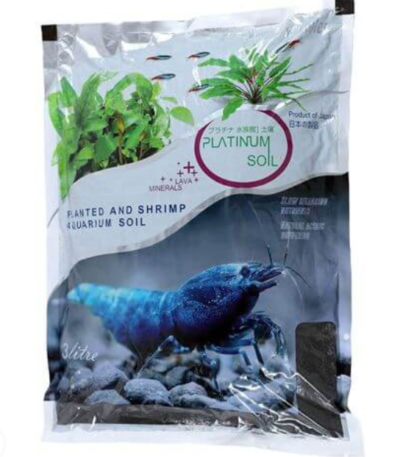
A nutrient-rich aquarium soil is the foundation of a healthy planted tank. It feeds roots, supports beneficial bacteria and in most cases gently softens and acidifies the water to levels that are ideal for many aquatic plants. Add a layer 6 to 8 centimetres deep, sloping slightly higher at the back to create a natural layered look. See our aquarium soil range for options.
Step 2: Set Up Your Hardscape
Rocks and driftwood form the structure of your aquascape. Dragon stone, Seiryu stone and river rocks all work well in Indian planted tanks. Driftwood releases tannins that gently soften and acidify the water, which suits many popular planted tank species. Place your hardscape before adding water and plants, and try different arrangements until you are happy with the composition.
Step 3: Add Water and Plant
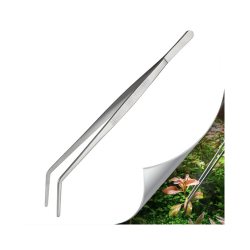
Fill the tank slowly by pouring water onto a plate or plastic sheet placed on the substrate to avoid disturbing your layout. Plant stem plants in small bunches and anchor epiphytes like Java Fern and Anubias to wood and rock with thread or aquarium-safe superglue. Use your planted aquarium accessories for precise placement.
Step 4: Cycle and Establish
Cycle your new planted tank for 3 to 4 weeks before adding fish. Planted tanks cycle faster than bare tanks because plant roots and substrate support bacterial colonisation more rapidly. Begin fertiliser dosing from day one, before fish are added. This gives plants a head start and reduces the algae pressure that often occurs in the first weeks of a new setup.
Step 5: Add Fish Carefully
Choose fish that complement your plant layout. Small schooling fish like neon tetras, ember tetras and rasboras look spectacular against green and red plants. Otocinclus catfish and dwarf shrimp are natural algae cleaners that keep your plants tidy. Avoid large cichlids and goldfish in planted tanks as they will uproot plants and disturb substrate constantly.
Common Problems in Indian Planted Tanks and How to Fix Them
Algae is the most common problem in planted tanks and almost always comes from an imbalance between light, CO2 and nutrients. Too much light without enough CO2 or nutrients feeds algae faster than plants can compete. The fix is always to reduce the lighting duration first, then address the nutrient or CO2 deficiency.
Yellow or pale new leaves point to iron or micronutrient deficiency. Pinholes in older leaves point to potassium deficiency. Both are solved with the right fertiliser rather than by changing the light or adding more fish.
Slow growth in an established tank with good light often points to CO2 as the limiting factor. A drop checker installed in the tank tells you exactly whether your CO2 levels are adequate, low or dangerously high.
Why Ocean Paws for Planted Aquarium Products
Pavan and Koushik have been keeping planted tanks in Hyderabad for over 20 years. Every product in our planted aquarium range has been chosen because it works in actual Indian tanks with Indian water and Indian room temperatures. We do not stock products simply because they are popular internationally. We stock what works here.
We ship planted aquarium products across India. See our full planted aquarium range including fertilisers, lighting, soil and tools and accessories.
Frequently Asked Questions About Planted Aquariums in India
Do I need CO2 injection for a planted aquarium in India?
No. A low-tech planted tank without CO2 injection can look genuinely beautiful and is easier to maintain than a high-tech system. The key is choosing plants that grow naturally in low CO2 conditions: Java Fern, Anubias, Cryptocoryne, Vallisneria and mosses. If you want to grow carpeting plants or demanding red stem plants, CO2 injection is necessary for consistent results.
Why are my aquarium plants melting after planting?
New plants often shed their leaves shortly after being placed in a new tank. This is called melt and it is completely normal, especially with Cryptocoryne species. The plant is adapting from the conditions it was grown in to your tank’s water chemistry, light and CO2 levels. Keep your parameters stable and do not remove the plants. New growth appears from the roots within two to four weeks in most cases.
What is the best substrate for a planted aquarium in India?
A nutrient-rich aquarium soil is the best foundation for a planted tank. It feeds roots steadily over months, supports beneficial bacteria and often gives you better plant growth in the first year than any amount of liquid fertiliser can match. Layering a fine gravel or sand cap over the soil creates a clean look while slowing down how quickly nutrients release into the water column.
How much light does a planted aquarium need in India?
Most planted tanks do well with 8 to 10 hours of light per day from a full-spectrum LED fixture. Indian room temperatures and the long daylight hours mean algae can establish quickly if you run lights for longer than this. A timer keeps your photoperiod consistent and removes the need to remember to switch the light on and off manually.
Can I keep a planted aquarium in a room without air conditioning in India?
Yes. Most common aquatic plants tolerate Indian room temperatures between 26°C and 32°C during summer without significant problems. Easy species like Java Fern, Anubias and Cryptocoryne are particularly temperature tolerant. Demanding carpeting plants prefer cooler conditions and may struggle in rooms that get very hot during peak summer months without air conditioning.
What fish work best in a planted aquarium?
Small peaceful schooling fish are ideal. Neon tetras, cardinal tetras, ember tetras, harlequin rasboras and chili rasboras all look spectacular against green and red plant backgrounds and are gentle enough not to disturb delicate plants or substrate. Otocinclus catfish are excellent algae cleaners. Dwarf shrimp including Cherry Shrimp and Amano Shrimp are the best natural maintenance crew for any planted tank and breed readily once established.
Written by Pavan and Koushik, co-founders of Ocean Paws and planted aquarium hobbyists with over 20 years of hands-on experience in Hyderabad, India.
 Dog Grooming Products