
Filter by category
Showing all 4 results
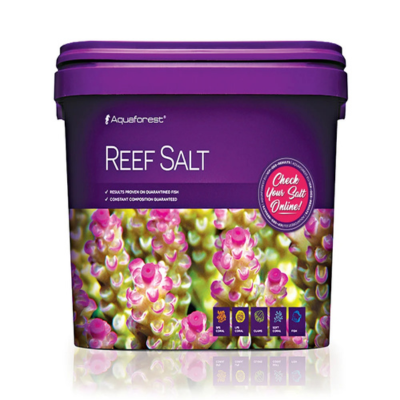
Aquaforest Reef Salt Mix
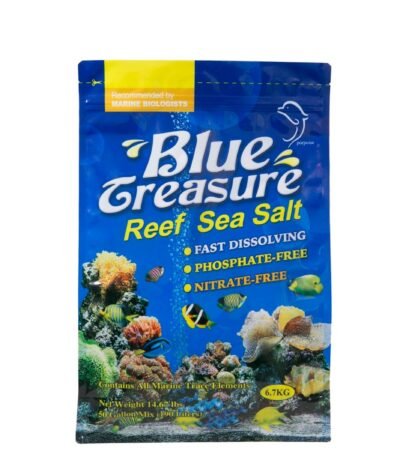
₹3,900.00Blue Treasure Reef Salt
₹1,900.00 – ₹4,200.00Price range: ₹1,900.00 through ₹4,200.00Quantum Mixed Macro Probiotic Salt
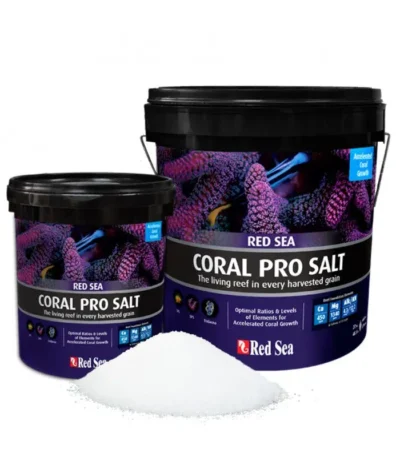
₹2,699.00Marine Aquarium Salt for Reef and Saltwater Tanks
Written by Pavan | Marine Aquarium Hobbyist and Co-founder, Ocean Paws Hyderabad
Marine aquarium salt is the single most important product in any saltwater setup. Every litre of water in your reef tank begins with the right salt mix. The quality of your marine aquarium salt directly determines your water chemistry, your coral health, and the long term stability of your entire system. At Ocean Paws we carry a handpicked range of premium marine salt mixes selected for reef and saltwater aquariums across India. Whether you are setting up your first tank in Hyderabad or doing a water change on a mature reef in Bangalore, the right salt makes all the difference from day one.
Why Marine Aquarium Salt Is the Foundation of Your Marine Tank
Corals, fish, and invertebrates in a reef tank evolved in natural seawater. Natural seawater is not simply salty water. It contains a precise balance of over 70 trace elements, minerals, and compounds that every marine animal depends on to survive and grow.
Tap water mixed with ordinary salt does not come close to replicating this. Table salt and pool salt both lack the complex mineral profile that reef life needs. Premium marine aquarium salt is engineered to replicate the exact chemistry of natural tropical seawater in your aquarium at home.
When you use a quality reef salt mix, you give your corals the calcium they need to build their skeletons. You give your fish the trace elements they need to maintain osmotic balance. You give your entire reef ecosystem the chemical foundation it needs to thrive week after week.
This is exactly why the salt you choose matters more than almost any other product in your reef tank.
Key Parameters in Marine Aquarium Salt
Understanding the numbers inside your salt mix helps you choose the right product for your setup. It also helps you maintain stable water chemistry over time. Here are the four parameters that matter most.
Salinity and Specific Gravity
The ideal salinity for a reef aquarium is 1.024 to 1.026 SG (specific gravity). Most reef keepers target 1.025 SG as their standard. This is equivalent to approximately 33 to 35 parts per thousand (ppt). For a fish only marine tank without corals, a slightly lower range of 1.021 to 1.025 SG is acceptable.
Calcium
Corals use calcium to build their calcium carbonate skeletons. A quality reef salt should produce a calcium level of 420 to 450 ppm in freshly mixed saltwater. Without adequate calcium, coral growth slows and skeletal structure weakens over time.
Alkalinity
Alkalinity is measured in dKH (degrees of carbonate hardness). It works alongside calcium to support coral calcification and stabilise your pH. The recommended range for a reef tank is 8 to 11 dKH. Premium reef salts dissolve to a target alkalinity within this range from the very first mix.
Magnesium
Magnesium is often overlooked but it plays a critical role in reef chemistry. It prevents calcium from precipitating out of the water before your corals can absorb it. The recommended magnesium range is 1250 to 1400 ppm. Low magnesium is one of the most common hidden causes of poor coral growth in Indian reef tanks, particularly during hot summers when evaporation accelerates.
Reef Salt vs Standard Marine Salt
Not all marine aquarium salt is the same. Choosing the wrong type is a very common mistake among beginners across India.
Standard marine salt is designed for fish only tanks and fish only with live rock setups. It contains the essential minerals that marine fish need but does not carry elevated calcium, alkalinity, or magnesium levels. It is a perfectly good and cost effective choice when corals are not part of your plan.
Reef salt is formulated specifically for tanks containing corals, clams, and calcifying invertebrates. It carries elevated levels of calcium (420 to 450 ppm), magnesium (1250 to 1400 ppm), and alkalinity (8 to 11 dKH) right from the mix. This gives your corals the raw materials they need from the moment you add new water to your tank.
For an SPS dominant tank in particular, reef salt with elevated and stable parameters is essential. SPS corals like Acropora are highly sensitive to parameter swings. A consistent, high quality reef salt keeps those swings small and your colours bright.
So if you keep any live corals at all, always choose reef salt over standard marine salt.
Step by Step Guide to Mixing Marine Aquarium Salt
Mixing salt correctly is just as important as choosing the right product. Poor mixing technique leads to undissolved minerals, incorrect salinity, and unstable water parameters that stress your reef.
Step 1. Always start with RODI water. Never use tap water. Tap water in Indian cities like Hyderabad, Bangalore, and Chennai contains chlorine, phosphates, silicates, and dissolved solids that interfere with reef chemistry and fuel persistent algae growth. RODI water removes all of these and gives you a clean, neutral base.
Step 2. Fill your mixing container with the required volume of RODI water first. Always add salt to water. Never add water to dry salt. Adding water onto a pile of dry salt causes uneven dissolution and incomplete mineral mixing.
Step 3. Heat the RODI water to approximately 26 to 27 degrees Celsius before adding the salt. This temperature matches the standard reef tank temperature in India and ensures the salt dissolves completely and efficiently.
Step 4. Weigh out your salt using a kitchen scale. As a general starting point, use approximately 35 grams of salt per litre of RODI water. This produces a salinity of approximately 1.025 SG. Always verify the result with a calibrated refractometer and adjust from there.
Step 5. Place a small powerhead or air stone in the mixing container to keep the water moving. Mix for a minimum of 4 hours. An overnight mix of 12 to 24 hours is even better. Longer mixing produces fully dissolved, well oxygenated saltwater that is ready for your reef.
Step 6. Test the salinity with a refractometer before adding the water to your tank. Add a small amount of extra salt if the reading is too low or a small amount of RODI water if it is too high. Always match the temperature of the new water to your tank water before pouring.
Measuring Salinity the Right Way
Your salinity reading is only as accurate as your measuring tool. This matters far more than most new reef keepers in India realise.
A standard swing-arm hydrometer is inexpensive but it is not accurate enough for a reef tank. The plastic arm traps air bubbles and gives false readings. It also does not account for temperature differences, which is a significant problem in India where room temperatures can swing dramatically across seasons.
A refractometer is the minimum recommended tool for any reef tank. Calibrate it with fresh RODI water before every single reading. Always read the salinity at the eyepiece in natural daylight for the most accurate result. A well-calibrated refractometer gives readings accurate to within 0.001 SG.
A digital salinity meter or conductivity meter is the most accurate option available to hobbyists. These give instant readings and are not affected by user technique or lighting conditions. They are the preferred choice for serious Indian reef keepers running SPS dominant or high-value coral systems.
How Much Salt to Mix for Water Changes
Regular water changes are one of the most important maintenance tasks in a reef tank. A 10 to 15 percent weekly water change replenishes trace elements, dilutes waste compounds, and helps reset your water parameters gradually and safely.
For a 100 litre reef tank, a 10 percent water change means replacing 10 litres of water. To prepare 10 litres of new saltwater at 1.025 SG, you need approximately 350 grams of marine aquarium salt dissolved in 10 litres of RODI water.
Always mix and prepare your water change water in advance. Never add dry salt directly to your aquarium. Undissolved salt crystals coming into direct contact with corals cause immediate tissue damage and bleaching.
Always match the temperature and salinity of your freshly mixed water to your existing tank water before adding it. A sudden temperature difference of even 2 degrees Celsius can stress fish and cause coral polyps to retract.
Storing Marine Aquarium Salt Properly
Proper storage keeps your salt effective and prevents waste. This is a step that many Indian reef keepers learn the expensive way.
Seal the bag or container tightly after every single use. Marine salt absorbs moisture from the air very quickly. During the Indian monsoon season, humidity levels across cities like Mumbai, Chennai, Kolkata, and Hyderabad can stay above 80 percent for weeks. This moisture causes rapid clumping and can alter the mineral balance of the salt.
Store your salt in a cool, dry place away from direct sunlight. A sealed plastic bucket or an airtight storage container is ideal for long term storage after opening. Never store your salt near your aquarium where splash water or condensation can reach it.
Clumped salt that has absorbed some moisture is still usable in most cases. But always test the mixed water carefully and verify your parameters with a test kit before adding the water to your tank.
Why RODI Water Is Non Negotiable for Indian Reef Keepers
This section matters for every Indian hobbyist setting up a reef tank. RODI water is not optional. It is the foundation of safe reef chemistry in the Indian context.
Municipal tap water across Indian cities carries chlorine, chloramine, fluoride, nitrates, phosphates, and heavy metals. These compounds are treated for human safety but they are directly harmful to reef life. Phosphates in tap water feed algae blooms that suffocate and kill corals. Silicates trigger diatom outbreaks in new tanks. Chloramine is resistant to standard dechlorinators and toxic to beneficial bacteria in your biological filter.
A standard RODI unit removes 95 to 99 percent of all dissolved solids from your tap water. It produces clean, neutral, zero-TDS water that allows your marine aquarium salt to deliver its full mineral profile without any interference from tap water chemistry.
Indian reef keepers in cities like Hyderabad, Delhi, and Pune often see very high TDS readings from their tap water, particularly during summer months and post monsoon periods when municipal supplies are heavily treated. Running RODI water gives you consistent, clean mixing water all year round regardless of what is coming out of your tap.
Shop Marine Aquarium Salt at Ocean Paws
Ocean Paws is Hyderabad’s trusted source for reef keeping equipment and supplies. Our marine aquarium salt range is handpicked for quality, consistency, and value for Indian reef keepers at every level. Every salt in our selection is chosen to deliver stable, reef ready water parameters from the very first mix.
Browse the products below and find the right salt for your reef tank. We ship fast to Hyderabad, Bangalore, Mumbai, Chennai, Pune, Delhi, Kolkata, and all across India. For help choosing the right salt for your specific setup, call us at +91 7416684040 or email info@oceanpaws.in.
FAQ Section
What is the right salinity for a marine aquarium?
For a reef tank with live corals, the recommended salinity is 1.024 to 1.026 SG (specific gravity). Most reef keepers target 1.025 SG as their standard. This is equivalent to approximately 33 to 35 parts per thousand. For a fish only marine tank without corals, a salinity range of 1.021 to 1.025 SG is acceptable.
How much marine aquarium salt do I add per litre of water?
As a reliable starting point, add approximately 35 grams of salt per litre of RODI water to reach a salinity of around 1.025 SG. Always verify the result with a calibrated refractometer and adjust by adding a small amount of salt or RODI water as needed. Different brands may have slightly different mixing ratios so always check the mixing guide printed on your specific salt packaging.
Can I use tap water to mix marine aquarium salt?
No. Tap water in Indian cities contains chlorine, phosphates, silicates, and dissolved solids that are directly harmful to reef life. Always use RODI water (Reverse Osmosis Deionised water) to mix your marine salt. RODI water removes virtually all dissolved impurities and gives you a clean, neutral base so your salt mix works exactly as intended.
What is the difference between reef salt and standard marine salt?
Reef salt contains elevated levels of calcium (420 to 450 ppm), magnesium (1250 to 1400 ppm), and alkalinity (8 to 11 dKH) to support coral growth and skeletal development. Standard marine salt is formulated for fish only tanks and does not carry these elevated mineral levels. If your tank contains any live corals or calcifying invertebrates, always choose reef salt.
How long should I mix marine aquarium salt before using it?
Mix your salt for a minimum of 4 hours with a powerhead or air stone running continuously. An overnight mix of 12 to 24 hours gives you the best result. This ensures the salt dissolves completely, the water reaches the right temperature, and the saltwater is fully oxygenated before it enters your reef tank. Never add freshly mixed water that has been mixed for less than 4 hours to a tank with live corals.
How should I store an open bag of marine aquarium salt?
Seal the bag tightly after every use and store it in a cool, dry place away from sunlight and moisture. In India, the high humidity of the monsoon season causes marine salt to absorb moisture quickly and clump. Transfer opened salt into a sealed airtight container or bucket for the best long term storage results. Never store salt near your aquarium where it can be reached by splashing water or condensation.
Author Bio
About the Author
Pavan is a marine aquarium hobbyist based in Hyderabad with over 20 years of hands on experience in saltwater aquarium hobby . He is the co-founder of Ocean Paws, Hyderabad’s trusted destination for marine and planted aquarium equipment.
Dog Grooming Products