 Dog Grooming Products
Filter by category
Showing all 2 results
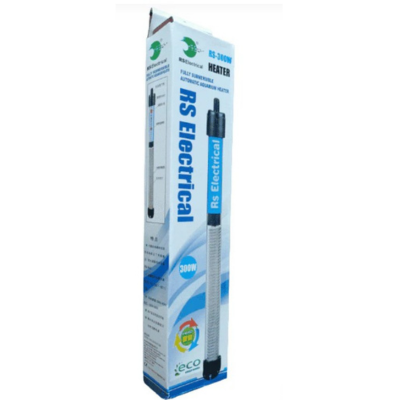
RS Electrical Aquarium Heater
₹240.00 – ₹320.00Price range: ₹240.00 through ₹320.00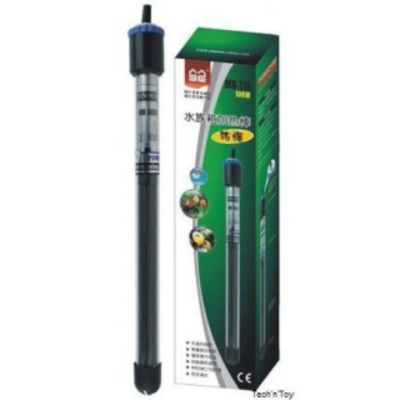
Sun Sun JRB Heaters
₹699.00 – ₹799.00Price range: ₹699.00 through ₹799.00Why Every Fish Tank Needs an Aquarium Heater
Fish are cold blooded animals. They cannot generate their own body heat the way humans and mammals do. The temperature of the water around them directly controls their metabolism, their immune system and their ability to digest food. When the water temperature drops or fluctuates, fish become stressed very quickly. Stressed fish stop eating, lose colour and become far more vulnerable to diseases like ich, fin rot and bacterial infections. Therefore an aquarium heater is not an optional accessory. It is one of the most essential pieces of equipment in any tropical fish tank.
In India, aquarium water temperatures can fall significantly during winter months, particularly in rooms with air conditioning running through the day. Even in warmer parts of the country, night time temperature drops in December and January can stress tropical fish that need stable warmth around the clock. An aquarium heater solves this problem automatically, so your fish stay healthy and comfortable throughout every season of the year.
How Aquarium Heaters Work
An aquarium heater contains a heating element surrounded by a protective outer casing and controlled by a built in thermostat. The thermostat monitors the water temperature continuously. When the temperature drops below your set point, the thermostat switches the heating element on. When the water reaches your desired temperature, the thermostat switches the element off. This cycle repeats automatically throughout the day and night without any input needed from you.
Most aquarium heaters also include an indicator light that tells you at a glance whether the heater is actively heating or in standby mode. Additionally, modern heaters feature a temperature adjustment dial or digital display on the body, allowing you to set your desired temperature precisely. Once correctly set, a good quality heater maintains the water temperature within one degree of your target consistently.
Types of Aquarium Heaters
Aquarium heaters are available in several types and materials, each suited to different tank setups and budgets.
Submersible glass heaters are the most commonly used type by hobbyists in India. They are placed entirely underwater inside the aquarium and are generally affordable, easy to use and available in a wide range of wattages. Glass heaters work well in freshwater, planted and smaller marine aquariums. They require careful handling because the glass can crack if the heater is knocked against rocks or decorations.
Stainless steel heaters offer significantly better durability than glass models. The metal casing is far more resistant to physical impact inside the tank. Stainless steel heaters are a popular choice for aquariums with large fish, cichlids or boisterous community fish that tend to knock equipment around. They are also commonly used in breeding tanks and larger setups where reliability is important.
Titanium heaters are considered the most durable option available. Titanium is completely corrosion resistant, which makes it ideal for saltwater and marine reef aquariums where glass and steel heaters can degrade over time in salt rich water. Titanium heaters are typically paired with a separate external thermostat controller for the most precise temperature management available to hobbyists. They are also more expensive, but they last significantly longer than glass or steel alternatives.
Inline heaters are installed outside the aquarium on the hose of your external canister filter. Because they are not inside the tank, inline heaters are completely hidden from view, making them ideal for display aquariums where equipment visibility matters. Water from the filter passes through the inline heater, warms up and then returns to the tank at the set temperature. This also distributes heat very evenly throughout the entire water volume.
How to Choose the Right Wattage Aquarium Heater
Choosing the correct wattage is one of the most important decisions when buying an aquarium heater. An undersized heater will struggle to maintain the target temperature during cold weather. An oversized heater can heat the tank too quickly and cause temperature spikes. As a general starting point, use 1 to 2 watts of heater power per litre of aquarium water.
For example, a 50 litre aquarium in a room at normal Indian room temperature generally needs a 50W to 75W heater. A 100 litre tank typically needs a 100W to 150W heater. A large 200 litre aquarium will generally need a 200W to 300W heater. However, if your aquarium is in an air conditioned room or an area that gets notably cold at night, always choose the higher wattage option for more reliable performance. For very large tanks above 300 litres, using two heaters placed at opposite ends of the tank gives more even heating throughout the entire volume than one large single unit.
Where to Place Your Aquarium Heater
Correct placement of your aquarium heater makes a significant difference to how evenly and efficiently it heats your tank. The best position is near the outlet of your filter or powerhead. The flow of water past the heater carries warmth throughout the entire tank quickly and prevents cold spots from developing in corners or behind decorations.
Mount the heater vertically or at a slight upward angle. Do not place a submersible heater horizontally unless the manufacturer specifically states it is designed for horizontal use. Always keep at least two to three centimetres of space between the bottom of the heater and the gravel or substrate below it. This prevents substrate from trapping heat directly around the base of the unit. Furthermore, never let the heater touch the glass walls of the aquarium directly, as this can crack both the glass and the heater body over time.
Temperature Guide for Common Aquarium Fish
Different fish and aquarium setups require different water temperatures. Setting your aquarium heater correctly for your specific livestock makes a meaningful difference to their long term health and colour. Here is a general guide for the most commonly kept fish in India.
Tropical community fish such as guppies, tetras, platies, mollies and barbs do well between 24 and 28 degrees Celsius. Goldfish and cold water fish generally do not need a heater unless the room temperature drops below 18 degrees Celsius. Cichlids from African lakes prefer temperatures between 26 and 28 degrees Celsius. Discus require warmer conditions between 28 and 30 degrees Celsius and are especially sensitive to temperature swings. Shrimp in planted tanks prefer cooler conditions between 22 and 25 degrees Celsius. Marine reef aquariums are typically kept between 24 and 26 degrees Celsius for the health of both fish and corals.
Aquarium Heater Safety Tips
Always switch off and unplug the heater before putting your hands into the aquarium for maintenance or cleaning. When performing water changes, switch the heater off before the water level drops below the top of the heater body. Operating a glass or stainless steel heater with the top portion exposed to air while the element is hot can permanently damage the unit and in some cases crack the glass.
Never turn on a heater outside of water even briefly. Always submerge the heater completely before plugging it in. After removing the heater from the aquarium, allow it to cool for at least fifteen minutes before handling the body. Use a separate aquarium thermometer in addition to your heater’s built in display to independently verify that your water temperature is at the correct level. This double check is especially important during the first few days after setting up a new heater.
Frequently Asked Questions About Aquarium Heaters
Do I need an aquarium heater for tropical fish in India?
Yes. Even though India has a warm climate for much of the year, indoor air conditioning and winter nights in many parts of the country can drop aquarium water temperatures below the comfort zone of tropical fish. Tropical fish generally need water temperatures between 24 and 28 degrees Celsius around the clock. An aquarium heater maintains this automatically and protects your fish from temperature stress and the diseases that follow from it.
How long does an aquarium heater last?
A good quality aquarium heater typically lasts between two and five years with proper use and maintenance. Glass heaters have a shorter lifespan because the glass body can develop micro cracks over time. Stainless steel and titanium heaters generally last longer. Regardless of material, always inspect your heater regularly for damage, and replace it immediately if you notice unusual heat output, a cracked body or a faulty indicator light.
Should I use one heater or two in a large aquarium?
For aquariums above 200 litres, using two heaters of equal wattage placed at opposite ends of the tank is a better approach than using a single large heater. Two heaters distribute heat more evenly throughout the entire water volume. They also provide a safety backup. If one heater fails, the second keeps the water within an acceptable temperature range while you replace the faulty unit, protecting your fish from sudden temperature crashes.
Can I use an aquarium heater in a saltwater marine tank?
Yes, but you need to choose the right type of heater. Glass heaters can work in saltwater tanks but are more prone to degradation over time in salt rich water. Stainless steel heaters are more durable in saltwater environments. Titanium heaters are the best choice for marine reef aquariums because titanium is completely corrosion resistant and performs reliably in saltwater for many years. Always check the product description before buying to confirm that the heater is rated for saltwater use.
How do I know if my aquarium heater is working correctly?
The indicator light on the heater shows whether it is actively heating or in standby mode. However, the most reliable check is to monitor the actual water temperature with a separate aquarium thermometer. Place the thermometer at a different location in the tank from the heater and check it at different times of day. If the temperature reading is consistently within one to two degrees of your set point, the heater is working correctly. If the temperature is frequently too high, too low or varies widely, the thermostat may need adjustment or the heater may need to be replaced.
Written by Pavan, co-founder of Ocean Paws and aquarium specialist with 20 years of hands-on fishkeeping experience.


