 Dog Grooming Products
Filter by category
Showing all 3 results
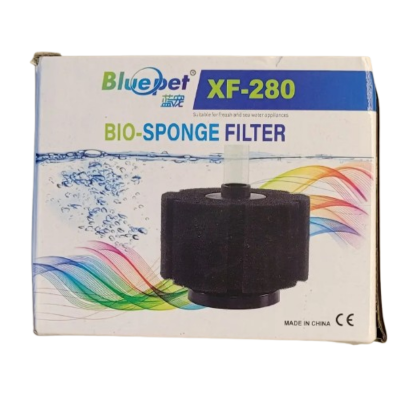
Blue Pet Bio Sponge Filter
₹150.00 – ₹220.00Price range: ₹150.00 through ₹220.00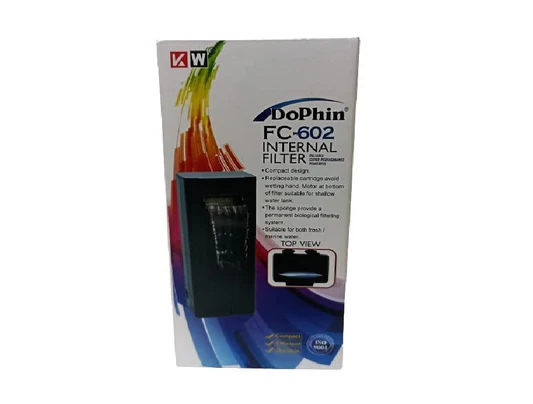
Dophi Filter Box – Compact Aquarium Water Filter for Crystal Clear Tanks
₹450.00 – ₹800.00Price range: ₹450.00 through ₹800.00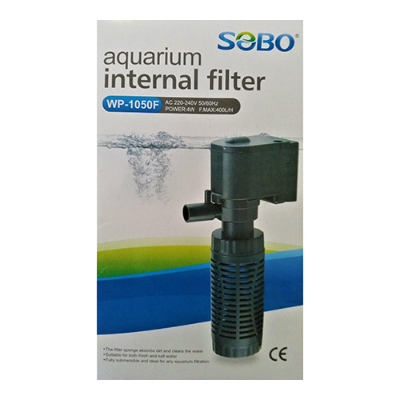
Sobo 1050F Aquarium Internal Filter
Aquarium Filters
Aquarium filters are the heart of a healthy fish tank. They clean the water, break down harmful waste and keep the environment safe for fish, plants and other aquatic life. Whether you keep a small freshwater tank or a large marine setup, the right filter makes daily care much easier.
Why Aquarium Filters Matter
Fish release waste every day. Uneaten food also breaks down in the water. Without proper filtration, this waste turns into ammonia, which is toxic to fish even in small amounts. A good filter supports the nitrogen cycle, the natural process that turns ammonia into nitrite and then into safer nitrate. This is why aquarium filters are not optional. They protect fish health, keep water clear and reduce the frequency of water changes.
Types of Filtration Explained
Every aquarium filter works through one or more of these three filtration stages.
Mechanical Filtration
Mechanical filtration removes solid particles from the water. This includes fish waste, leftover food, sand and floating debris. Filter floss, foam pads and sponges are common materials used for this stage. Clear water starts with strong mechanical filtration.
Biological Filtration
Biological filtration is the most important stage in any aquarium filter. It relies on beneficial bacteria that live on the filter media. These bacteria break down ammonia and nitrite into safer compounds. Media such as ceramic rings, bio balls and sponge give bacteria a large surface area to grow on. A tank without enough biological filtration often struggles with poor water quality.
Chemical Filtration
Chemical filtration uses materials such as activated carbon to remove odours, discolouration and dissolved toxins from the water. This stage is optional for many freshwater tanks, but it helps when water clarity or smell becomes a concern.
Different Styles of Aquarium Filters
Hang-On-Back Filters
Hang-on-back filters sit on the rim of the tank. Water is pulled up through an intake tube, passed through the media and returned to the tank. They are affordable, easy to install and simple to clean, making them a popular choice for beginners.
Canister Filters
Canister filters sit outside the tank, usually inside the cabinet below. They hold large volumes of media and generally run quietly. Because of their capacity, canister filters suit medium and large aquariums, as well as tanks with heavy fish stocking.
Internal Filters
Internal filters sit inside the tank and attach with suction cups. They are compact and work well for small and nano tanks, or as extra filtration alongside another filter.
Sponge Filters
Sponge filters use an air pump to draw water through a porous sponge. The flow is gentle, which makes them ideal for fry, shrimp and breeding tanks. They also grow beneficial bacteria quickly and are simple to maintain.
How to Choose the Right Aquarium Filter
Picking the correct aquarium filter depends on a few simple factors.
- Tank size. Larger tanks need filters with a higher flow rate. As a general rule, the filter should turn over the entire tank volume four to six times every hour.
- Stocking level. A tank with many fish produces more waste, so it needs stronger filtration than a lightly stocked tank.
- Water type. Marine tanks generally need a higher turnover rate than freshwater tanks.
- Maintenance. Some filters are easier to clean and service than others, which matters if you want a low-maintenance setup.
- Noise level. If the tank sits in a bedroom or living room, a quieter filter is worth the extra cost.
Aquarium Filter Maintenance Tips
A little regular care keeps any aquarium filter running well.
- Rinse mechanical media in old tank water, not tap water, so the chlorine does not kill the bacteria.
- Clean the filter every two to four weeks, or sooner if the flow slows down.
- Check the impeller and intake for blockages.
- Avoid washing biological media under a tap.
- Replace chemical media such as carbon every three to four weeks, since it stops working once it is full.
Frequently Asked Questions About Aquarium Filters
How often should I clean my aquarium filter?
Most aquarium filters need cleaning every two to four weeks. Sponge filters can often go a little longer, while heavily stocked tanks may need more frequent care.
Can I use more than one aquarium filter on a single tank?
Yes. Running two filters adds extra biological capacity and gives you a backup if one filter needs cleaning or repair.
Do I need chemical filtration in every tank?
No. Chemical filtration is useful for removing odours and discolouration, but many tanks run well with just mechanical and biological filtration.
How long does a new aquarium filter take to cycle?
A new filter usually takes four to six weeks to build enough bacteria to fully support a tank. Using seeded media from an established tank can speed up this process significantly.
What size aquarium filter do I need?
Look for a filter rated to turn over your tank volume four to six times per hour. A heavily stocked tank benefits from a filter on the higher end of that range. Also see our aquarium filter media range to complement your filter with the right media.
Written by Pavan, co-founder of Ocean Paws and aquarium specialist with 20 years of hands-on fishkeeping experience.


