 Dog Grooming Products
Filter by category
Showing all 5 results
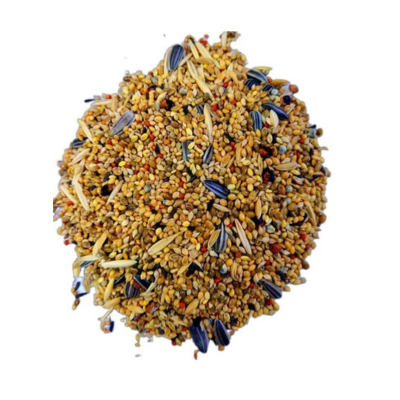
Budgies Seed Mix
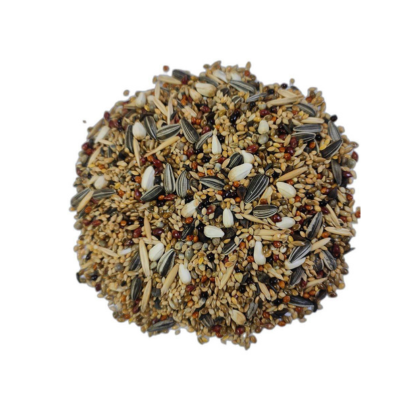
Cockatiel Seed Mix
₹190.00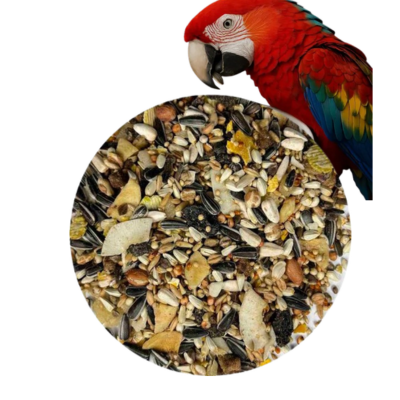
Macaw Seed Mix
₹550.00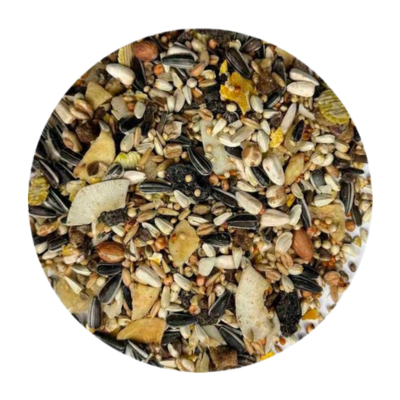
Small Conure Seed Mix
₹250.00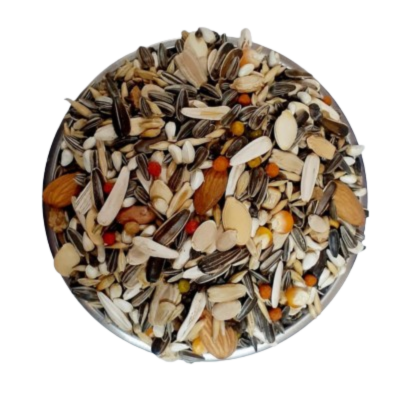
Sun Conure Seed Mix
₹220.00Birds Food
Birds Food is the everyday fuel behind a bright, active and long living pet bird. What goes into the seed bowl each morning shapes feather quality, energy levels and overall health over time. This category brings together seed mixes and feeding essentials suited to different birds, from a small budgie to a large macaw, so you can pick food that actually matches what your bird needs.
Not every bird eats the same way. A budgie needs small, easy to crack seeds, while a macaw needs tougher shells and richer, more varied nutrition to match its size and energy use. Choosing food built around your bird’s size and species helps avoid waste, picky eating and long term nutrition gaps.
Types of Birds Food
Bird seeds generally fall into two groups, and understanding the difference makes it much easier to choose well.
Oil seeds, such as sunflower and safflower, are rich in fat and vitamin E. They give a quick source of energy but should be fed in moderation, since too much fat over time can lead to weight gain and liver strain.
Starchy seeds, such as millet, canary seed and oats, are lower in fat and provide steady energy through carbohydrates. These usually form the base of a good seed mix, with oil seeds added in smaller amounts for variety and taste.
A seed only diet, even a good one, rarely covers every nutrient a bird needs. Vitamin A, vitamin D3, calcium and certain amino acids are often missing or low in seed alone. This is why many bird owners now combine seed mixes with pellets, fresh fruit and vegetables, rather than relying on seed as the only food source.
Budgies Seeds
Budgies do best on small, easy to manage seeds, since their beaks and body size are built for quick, frequent feeding rather than cracking large shells.
A good budgies seeds mix usually centres on white millet and canary seed, often in close to equal parts, since both are gentle on digestion and rich in the carbohydrates a small, active bird burns through quickly. Small amounts of red millet, oat groats and a touch of linseed can round out the mix and add variety.
Because budgies are naturally curious foragers, scattering a little seed around safe parts of the cage or using a simple foraging toy encourages the same searching behaviour they would show in the wild. This keeps feeding time mentally engaging rather than just a quick meal.
Fresh greens such as coriander, spinach leaves or a small piece of cucumber make a welcome addition alongside seed, offered in small amounts a few times a week.
Cockatiel Seeds Mix
Cockatiels are a step up in size from budgies and need a mix with slightly larger seeds and a bit more variety, though the same care around fat content still applies.
A balanced cockatiel seeds mix usually leans on safflower rather than sunflower as the main oil seed, since safflower offers similar taste appeal with less fat. This is combined with millet, canary seed and oat groats to form a rounded, everyday mix.
Cockatiels that eat only high fat oil seeds tend to become selective eaters over time, often picking out the tastiest pieces and leaving the rest. Offering a measured amount rather than an overflowing bowl encourages your cockatiel to eat the full mix rather than just the favourites.
Pairing seed with age appropriate pellets and small portions of vegetables such as carrot, pumpkin or leafy greens rounds out the nutrition that seed alone cannot fully provide.
Small Conure Seeds
Conures sit between cockatiels and larger parrots in size, and their feeding needs reflect that middle ground.
Small conure seeds mixes are generally larger and more varied than a cockatiel mix, often including a wider range of grains alongside modest amounts of sunflower or safflower. Conures are active, playful birds, and their food should support that energy without leaning too heavily on fatty oil seeds.
Many conure owners find success mixing a quality seed blend with pellets and fresh food in roughly equal parts, since conures respond well to variety and can become bored with the same bowl every day. Adding a small piece of fruit, a leafy green or a few soaked pulses now and then keeps meals interesting.
As with all seed eating birds, portion control matters. A conure that is allowed to pick only the largest, fattiest seeds from a mix will miss out on the balance the full mix was designed to provide.
Macaw Seeds
Macaws are large, strong billed birds with correspondingly larger energy needs, and their food should reflect the complexity of their natural diet.
Good macaw seeds mixes are usually lower in sunflower content than smaller bird mixes, since a diet too heavy in sunflower and peanuts can lead to excess fat and, over time, liver strain, even in a large bodied bird. Instead, look for mixes rich in a wider variety of seeds, along with nuts such as almonds or walnuts offered in controlled amounts.
In the wild, macaws spend a large part of the day searching for food and cracking open tough shells. A seed mix with a range of textures and shell types helps recreate this natural foraging challenge, which keeps a macaw both physically and mentally occupied.
Fresh fruit, vegetables and a good pellet base should sit alongside seed as core parts of a macaw’s diet, rather than being treated as occasional extras.
Pellets, Fresh Food and Supplements
Pellets are formulated to deliver a fuller, more consistent range of nutrients in every bite, which helps close the gaps that a seed only diet often leaves behind. Many avian professionals now suggest pellets as the main base of the diet, with seed used as a valued but smaller part of the bowl.
Fresh fruit and vegetables bring natural vitamins and hydration. Leafy greens, carrot, pumpkin, apple and cucumber are widely accepted across most pet bird species and can be rotated through the week for variety.
Calcium deserves special attention, particularly for breeding birds and egg laying hens. A cuttlebone or a mineral block left in the cage lets a bird take calcium as needed, rather than relying on diet alone.
Vitamin supplements can help during moulting or breeding season, when nutritional demands rise. It is worth asking an avian vet before starting any new supplement, since needs vary between species and individual birds.
Foods to Avoid
Some common foods that are perfectly fine for people are unsafe for birds and should never be offered.
Avocado, chocolate and anything containing caffeine can be seriously harmful even in small amounts. Salty snacks, fried food, onion and garlic should also be kept away from your bird’s bowl. When in doubt about a food, it is safer to leave it out entirely rather than risk it.
Storing Bird Food Safely
Fresh seed keeps its nutritional value far better than seed that has sat open for months, so storage matters as much as the food itself.
Keep bird food in an airtight container, in a cool, dry spot away from direct sunlight. Moisture is the biggest enemy of stored seed, since damp seed can quickly develop mould that is harmful if eaten. Buying smaller bags more often, rather than one very large bag that sits open for a long time, usually keeps food fresher for longer.
Always check seed for a stale smell, discolouration or tiny insects before filling the bowl, and discard any seed that looks or smells off.
Simple Feeding Tips
A few small habits make a noticeable difference to how well your bird eats.
- Offer a measured amount daily rather than a constantly overflowing bowl, so your bird eats the full mix rather than only the favourites.
- Remove uneaten fresh food such as fruit and vegetables within a few hours, since these spoil quickly.
- Wash food and water bowls every day to prevent bacteria from building up.
- Rotate fresh food choices through the week to keep meals interesting and nutritionally varied.
- Introduce any new food gradually, alongside familiar food, rather than switching all at once.
What You Will Find in Our Birds Food Collection
Our Birds Food category covers everyday seed mixes and feeding essentials for birds of every size, including budgies seeds, cockatiel seeds mix, small conure seeds and macaw seeds. Whether you are feeding one budgie or a full aviary, you will find options suited to your bird’s size, activity level and nutritional needs.
Every item in this collection is chosen with balanced nutrition and freshness in mind. We pack food carefully to protect it during transport, and we keep the range updated so you always have access to reliable, everyday feeding options for your bird.
Frequently Asked Questions
What is the best seed mix for budgies? A good budgies seeds mix is usually built around white millet and canary seed, with small amounts of oat groats and other grains added for variety. Keep oil seeds like sunflower to a small portion of the overall mix.
Is sunflower seed bad for cockatiels? Sunflower seed is not harmful in small amounts, but it is high in fat. Many cockatiel owners choose a cockatiel seeds mix built around safflower instead, since it offers similar taste with less fat.
What should I feed a conure? Small conure seeds mixes work well alongside pellets and fresh fruit or vegetables. Conures respond well to variety, so rotating fresh food through the week helps prevent boredom at meal time.
Do macaws need a different seed mix from smaller birds? Yes. Macaw seeds mixes are generally larger, with a wider range of textures and lower sunflower content, since macaws need more complex, varied nutrition to match their size and energy needs.
Can birds eat only seeds? Seed alone usually does not provide a full range of nutrients. Pairing seed with pellets, fresh fruit, vegetables and occasional calcium sources gives a more complete, balanced diet.
How should I store bird food? Keep bird food in an airtight container in a cool, dry place away from sunlight. Check for a stale smell or insects before use, and buy smaller quantities more often to keep seed fresh.
Browse our full Birds Food collection today and find the right seed mix for your budgie, cockatiel, conure or macaw.
Author Written by Pavan, co-founder of Ocean Paws and aquarium specialist with 20 years of hands-on fishkeeping experience.


