 Dog Grooming Products
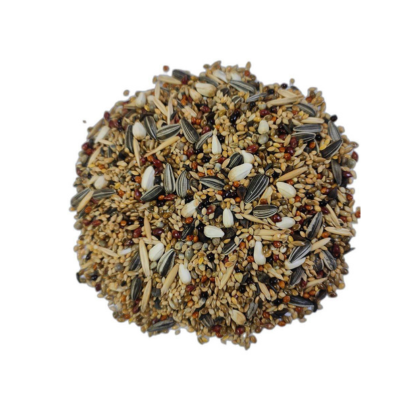
Cockatiel Seed Mix
Cockatiel Seed Mix gives your cockatiel the everyday nutrition it needs to stay active, well feathered and full of that familiar cheerful whistle. This seed blend follows the natural feeding habits of cockatiels, so every ingredient plays a real role rather than sitting in the bag as filler. Because cockatiels are a step up in size from budgies, they need a mix with slightly larger seeds and a bit more variety, though the same care around fat content still applies.
Since cockatiels are seed eating birds by nature, this Cockatiel Seed Mix balances familiar millet based grains with a measured share of richer oil seeds. As a result, your bird gets steady energy through the day without leaning too heavily on fatty seeds that can lead to weight gain over time.
Seed Composition of This Cockatiel Seed Mix
Knowing exactly what goes into a seed mix, and in what amount, makes it far easier to judge its quality. This Cockatiel Seed Mix is built from the following approximate seed percentages.
White millet makes up around 25 percent of the mix and forms a large part of the base, since it digests easily and gives steady, reliable energy.
Canary seed follows at around 20 percent, valued for its protein content that supports feather growth and general condition.
Safflower sits at around 15 percent and takes the place of a larger sunflower share, since safflower offers similar taste appeal with noticeably less fat.
Oat groats make up about 12 percent and add fibre along with slow release energy that suits a cockatiel’s active nature.
Red millet accounts for close to 10 percent, bringing texture and colour variety that keeps a cockatiel interested in its bowl.
Buckwheat contributes around 8 percent, adding a different shape and additional trace nutrients to the overall blend.
Sunflower is kept deliberately small at around 6 percent, included for taste appeal without letting the mix become dominated by a single high fat seed.
Niger seed rounds out the composition at around 4 percent, a small, energy dense seed that most cockatiels enjoy picking through.
Because the mix favours safflower over a heavier sunflower share, this Cockatiel Seed Mix supports a leaner, more balanced diet without asking your bird to give up taste or variety.
Typical Nutritional Analysis
Based on this composition, this Cockatiel Seed Mix generally provides crude protein at around 13 percent, crude fat at around 8 percent, crude fibre at around 9 percent, moisture at around 12 percent and ash at around 4 percent. These figures sit within the accepted range for a balanced cockatiel seed mix and are provided as a general guide rather than an exact batch by batch measurement.
What Is In This Cockatiel Seed Mix
This Cockatiel Seed Mix combines white millet, canary seed, safflower, oat groats, red millet, buckwheat, sunflower and niger seed. It leans on safflower rather than sunflower as the main oil seed, since cockatiels that eat too much sunflower tend to become selective eaters over time, often picking out the fattiest pieces and leaving the rest of a good mix untouched.
Oat groats and buckwheat add fibre and a change in texture, which keeps feeding time engaging rather than repetitive. This Cockatiel Seed Mix also carries a small, controlled share of niger seed, since this tiny seed is energy dense and works well in modest amounts rather than as a major ingredient.
This Cockatiel Seed Mix contains no artificial colours and no chemical preservatives. Our team cleans and sorts the seeds before packing, so the mix reaches you free from dust, husk and visible impurities.
Key Benefits of This Cockatiel Seed Mix
Each ingredient in this blend is chosen for a specific reason, not added at random. Because the blend targets cockatiels specifically rather than birds in general, the seed sizes and proportions suit a cockatiel’s beak and appetite. This lowers waste, since less of the mix ends up pushed aside or dropped to the cage floor.
The balance of safflower over sunflower supports a leaner diet, while still giving your bird the taste and texture variety it naturally looks for. At the same time, the higher protein content from canary seed and buckwheat supports smooth moulting and steady feather condition.
This Cockatiel Seed Mix also encourages natural foraging behaviour. Since the seeds vary in shape, colour and size, a bird searching through its bowl stays a little more engaged than it would with a single, uniform seed. This detail may sound small, but it matters for a species that is naturally curious and food driven.
We check freshness before every batch goes out for packing, and sealed packaging then protects the mix from moisture during storage and transport. Because moisture ranks as the biggest threat to stored seed, this single step helps preserve nutritional value until you open the bag.
How Much and How Often to Feed
A cockatiel generally needs around one and a half to two tablespoons of seed mix each day, although slightly more may suit a larger or very active bird. Rather than filling the bowl to the top, offer a measured amount instead, since an overflowing bowl often leads to selective eating, where a cockatiel picks out its favourite seeds and leaves the rest untouched.
Provide fresh water alongside this Cockatiel Seed Mix every day, and clean the water bowl daily as well. Top up seed once a day if needed, though it helps to empty and refresh the whole bowl regularly so old seed and husk do not sit for too long.
Because cockatiels are natural grazers, they tend to eat small amounts through the day rather than one large meal. For this reason, a consistent daily supply works better than infrequent large refills.
Feeding Tips for Best Results
A few simple habits help this Cockatiel Seed Mix go further and support better nutrition overall.
Blow gently across the surface of the bowl before refilling it, since empty husks often sit on top of unfinished seed and can make a bowl look full when it actually holds very little real food. Offer this Cockatiel Seed Mix alongside fresh greens such as spinach, carrot or a small piece of pumpkin a few times a week, since fresh food adds moisture and nutrients that seed alone cannot fully provide. You can also place a cuttlebone or mineral block in the cage, so your cockatiel can take in calcium as needed rather than depend on the seed mix for every nutrient.
If your cockatiel currently eats a different mix, introduce this Cockatiel Seed Mix gradually, alongside the previous food, rather than switching all at once. Cockatiels can be cautious about sudden changes in their bowl, so a gradual transition over one to two weeks generally works better.
Storage and Shelf Life
Once you open this Cockatiel Seed Mix, keep it in an airtight container, in a cool, dry place away from direct sunlight. Moisture and heat both reduce shelf life quickly, and seed that has been exposed to damp air can develop mould that is unsafe for your bird.
Check the mix occasionally for a stale smell or any sign of small insects, since this can happen even with well stored seed over time. If you notice either sign, discard that portion and refill with a fresh batch rather than take a chance with your cockatiel’s health.
Choosing a size that you will use within a reasonable time frame usually keeps the mix fresher than a very large bag that sits open for months.
Why Bird Owners Choose This Cockatiel Seed Mix
Owners choose this Cockatiel Seed Mix because it targets exactly what a cockatiel needs, rather than offering a general mix shared across many species. Since the composition stays consistent from batch to batch, your cockatiel gets the same reliable taste and nutrition every time you reorder. This composition is tested for consistency across every batch we pack.
We check every batch before it is packed, so quality never depends on chance. The packaging also keeps the mix protected during transport, which matters for a product that needs to stay dry and fresh from the moment it leaves our warehouse until it reaches your door.
Frequently Asked Questions
What percentage of seeds are in this Cockatiel Seed Mix?
This Cockatiel Seed Mix contains around 25 percent white millet, 20 percent canary seed, 15 percent safflower, 12 percent oat groats, 10 percent red millet, 8 percent buckwheat, 6 percent sunflower and 4 percent niger seed.
Why does this mix use safflower instead of mostly sunflower?
Safflower offers similar taste appeal to sunflower with noticeably less fat. Using safflower as the main oil seed helps keep this Cockatiel Seed Mix leaner while still giving your bird the variety it enjoys.
How much Cockatiel Seed Mix should I feed my cockatiel daily?
Most cockatiels do well on around one and a half to two tablespoons of seed mix each day, along with fresh water and occasional fresh greens.
Does this Cockatiel Seed Mix need pellets or fresh food alongside it?
Seed alone does not provide every nutrient a cockatiel needs. Pair this Cockatiel Seed Mix with fresh greens, occasional fruit and a calcium source such as a cuttlebone for a more complete, balanced diet.
How should I store this Cockatiel Seed Mix after opening?
Keep it in an airtight container in a cool, dry place away from sunlight. Check occasionally for a stale smell or insects, and use the mix within a reasonable time after opening for the best freshness.
Add Cockatiel Seed Mix to your cart today and give your cockatiel a blend built around what it actually needs, with a composition you can see and understand.


