 Dog Grooming Products
Filter by category
Showing the single result
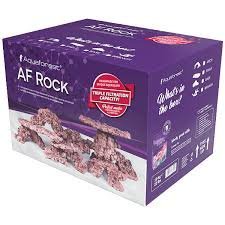
Aquaforest Rocks — Synthetic Marine Rock (New Generation) for Reef Aquariums
₹10,800.00 – ₹16,200.00Price range: ₹10,800.00 through ₹16,200.00Marine Rock for Reef and Saltwater Aquariums India
Written by Pavan | Marine Aquarium Hobbyist and Co-founder, Ocean Paws Hyderabad | Last updated: September 2026
Marine rock is the structural and biological foundation of every reef and saltwater aquarium. It provides the primary surface area for the beneficial bacteria that drive the nitrogen cycle, creates the natural landscape that reef fish and corals inhabit, and gives your system the biological stability that separates a thriving reef from one that constantly struggles.
At Ocean Paws we stock dry marine rock selected for quality and performance in Indian reef systems. Every piece of rock we carry has been chosen to provide maximum surface area for bacterial colonisation while looking natural and authentic in a home aquarium display.
Why Marine Rock Is Essential in Every Reef Tank
In a natural coral reef, the porous calcium carbonate rock that makes up the reef structure houses enormous populations of nitrifying and denitrifying bacteria. These bacteria process fish waste, converting toxic ammonia through nitrite into nitrate, and in anaerobic zones deep inside the rock, converting nitrate all the way to harmless nitrogen gas. Without adequate rock volume in a home reef tank, this bacterial processing cannot happen efficiently and ammonia and nitrate levels rise to levels that stress fish and damage corals.
Beyond biological filtration, marine rock provides the three-dimensional structure that reef fish use for territory, shelter and natural behaviour. Clownfish claim territories near rock formations. Gobies perch on rock surfaces. Wrasses shelter in crevices at night. A tank without rock is not a reef. It is simply a box of saltwater with expensive livestock in it.
Dry Rock vs Live Rock
When starting a new reef tank in India, you have two main choices for your rock base: dry rock and cured live rock. Understanding the difference helps you make the right decision for your specific setup.
Dry rock is completely inert calcium carbonate rock with no living organisms on it. It is clean, free of unwanted hitchhikers including pest anemones, mantis shrimp and bristle worms, and ships safely across India without the concerns associated with transporting live material. A new tank built on dry rock takes slightly longer to cycle because the bacterial population must establish from scratch, but using a quality liquid bacterial starter speeds this process considerably.
Live rock comes colonised with beneficial bacteria, coralline algae, small invertebrates and microorganisms from an established reef system. It seeds a new tank with an established microbial community that shortens the cycling period. However, it also brings the risk of introducing unwanted organisms and is more difficult to transport safely across long distances without losing its biological value.
For most Indian reef keepers starting a new system, dry rock with a quality bacterial starter is the more practical and reliable choice.
How Much Rock Does Your Tank Need
A commonly quoted guide is 1 kilogram of rock per 4 to 5 litres of tank water. A 200 litre reef tank needs approximately 40 to 50 kilograms of rock. This is a rough starting point and the actual amount you need depends on the porosity of the rock. Very porous rock with deep internal channels provides far more bacterial surface area per kilogram than dense, heavy rock with little internal structure. Always prioritise porosity over weight when choosing marine rock.
Avoid overfilling your tank with rock. A heavily packed rock structure with no space between pieces restricts water flow, creates permanent dead zones and makes it impossible to position corals and clean the tank properly. Aim for a natural open structure with clear flow paths behind and between rock formations.
Aquascaping With Marine Rock
The arrangement of your marine rock is one of the most important decisions you make when setting up a reef tank. The rock layout determines where corals can be placed, how water flows through the tank, and how the display looks from the front viewing glass.
Build from the back of the tank forward, leaving clear open water at the front for fish to swim and corals to display. Create height variation by stacking rock at different levels rather than spreading it in a flat layer across the substrate. Leave significant open passages between rock formations at the bottom for water circulation and so that detritus can be flushed toward the sump return rather than settling permanently in dead zones.
Dry rock can be cemented together using aquarium-safe two-part epoxy putty before filling the tank with water. This allows you to create stable arches, caves and overhangs that look natural and provide excellent shelter and coral placement options. Cemented structures also prevent collapse when fish and invertebrates disturb loose rock arrangements.
Coralline Algae and Rock Maturation
Over time in an established reef tank, purple, pink and red coralline algae grows across the surface of your marine rock. Coralline algae is a sign of a healthy, stable reef system with good calcium, alkalinity and magnesium levels. It competes with nuisance algae for surface space and is one of the most reliable visual indicators that your reef chemistry is well balanced.
To encourage coralline growth, maintain calcium above 380 ppm, alkalinity between 8 and 10 dKH and magnesium above 1250 ppm. Good water movement across all rock surfaces also accelerates coralline spread. Introducing a small piece of rock with established coralline growth from another healthy reef system seeds the process faster than waiting for natural colonisation.
Shop Marine Rock at Ocean Paws
We stock marine rock with fast delivery across India. For help planning the right rock quantity and layout for your tank size, contact us at info@oceanpaws.in. Also see our marine sand, marine filter media and full marine aquarium range.
Frequently Asked Questions About Marine Rock
How much marine rock do I need for my reef tank?
A general guide is 1 kilogram of rock per 4 to 5 litres of tank water. A 200 litre reef needs 40 to 50 kilograms. Very porous rock provides more bacterial surface area per kilogram than dense rock, so if you are using highly porous dry rock you may need slightly less weight to achieve adequate biological filtration. Avoid packing the tank too tightly as this restricts flow and creates permanent dead zones.
What is the difference between dry rock and live rock?
Dry rock is completely inert calcium carbonate with no living organisms. It is clean, pest-free and ships safely anywhere in India. A bacterial starter seeds it with the microbes needed to begin the nitrogen cycle. Live rock comes colonised with bacteria, coralline algae and small invertebrates from an existing reef system. It cycles faster but carries the risk of introducing unwanted organisms. For most new reef setups in India, dry rock with a bacterial starter is the safer and more practical choice.
How do I cycle a new reef tank with dry rock?
Add your dry rock and marine sand, fill with properly mixed saltwater and run all circulation equipment. Add a quality liquid bacterial starter to seed the nitrogen cycle. Dose a small amount of ammonia either from a commercial source or from a tiny piece of raw seafood to give the bacteria something to process. Test ammonia and nitrite weekly. The cycle is complete when both consistently read zero. This typically takes 4 to 8 weeks with dry rock and a good bacterial starter.
Can I put marine rock in a freshwater aquarium?
Not in a standard freshwater setup. Marine rock is calcium carbonate based and slowly dissolves in water, raising pH and hardness significantly. This is desirable in a saltwater system but harmful in most freshwater setups where stable neutral to slightly acidic chemistry is important. African cichlid tanks and other hardwater freshwater setups can tolerate calcium carbonate rock, but it should not be used in soft water planted tanks or with fish that require acidic conditions.
How do I clean and prepare dry rock before adding it to my tank?
Rinse dry rock thoroughly under fresh tap water before use to remove dust and loose particles. If the rock has a strong odour, soak it in a bucket of clean fresh water for 24 to 48 hours before rinsing again. Do not use any soap, bleach or cleaning chemicals near marine rock. Once rinsed and clean, it is ready to arrange in your tank before filling with saltwater.
Written by Pavan, co-founder of Ocean Paws and marine aquarium specialist with 20 years of hands-on reef keeping experience in Hyderabad, India.


