Aquarium Filter Media
Most hobbyists spend a lot of time choosing the perfect filter for their tank, then almost no time thinking about what actually goes inside it. Yet the truth is simple. A filter is only as good as the aquarium filter media sitting inside its chambers. The unit on the outside just moves water. The media inside is what actually cleans it, traps waste and keeps your tank biologically stable. At Ocean Paws we help hobbyists across India understand and choose the right aquarium filter media, so their filters work the way they are supposed to, every single day.
What Aquarium Filter Media Really Does
Every aquarium produces waste constantly. Fish release ammonia, leftover food breaks down and plants shed old leaves. Left alone, all of this would quickly turn clear water cloudy and dangerous for the life inside it. Aquarium filter media is what stands between this constant stream of waste and a healthy, stable tank. It physically traps debris, houses the bacteria that break down harmful ammonia, and in many cases removes dissolved impurities that you cannot even see. Without the right media inside it, even the most expensive filter on the market is little more than a water pump.
The Three Types Of Aquarium Filter Media And How They Work Together
Mechanical filter media is your first line of defence. Sponges, pads and filter floss physically catch leftover food, fish waste and floating debris before it has a chance to break down and cloud your water. Think of it as a sieve that keeps the bigger particles out of the way so the rest of the filter can do its job properly.
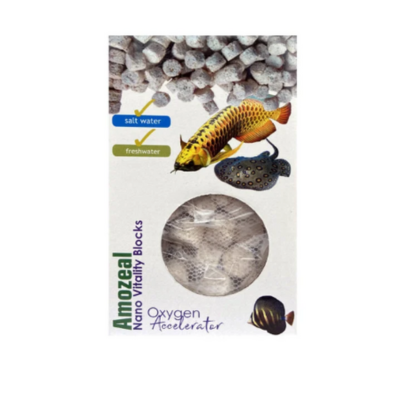
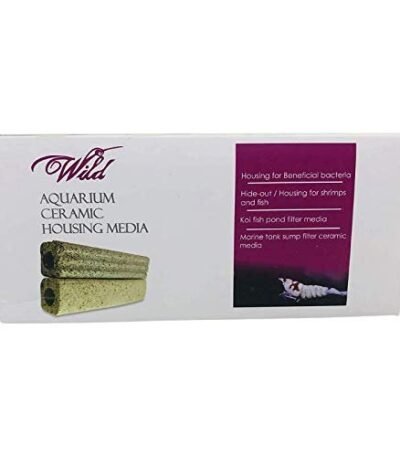
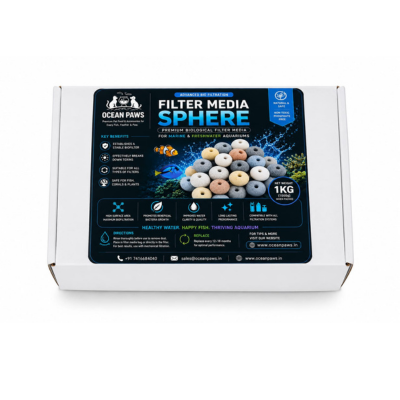
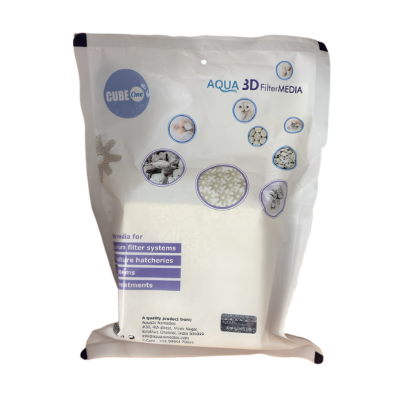
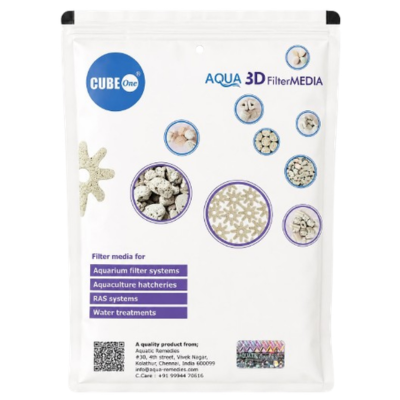
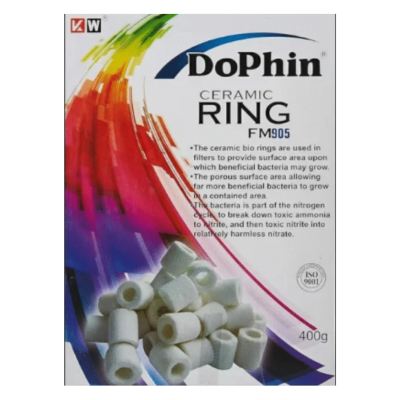
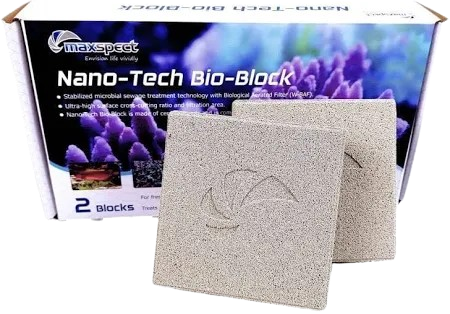
Biological filter media is, in many ways, the most important piece of the puzzle. Materials such as ceramic rings and bio balls are designed with a porous structure that gives beneficial bacteria a huge surface area to settle on. These bacteria are what convert toxic ammonia into less harmful compounds, a process often called the nitrogen cycle. A tank without enough biological media is a tank that struggles to stay stable, no matter how often you change the water.
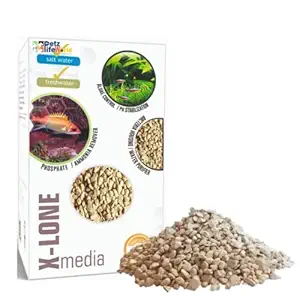
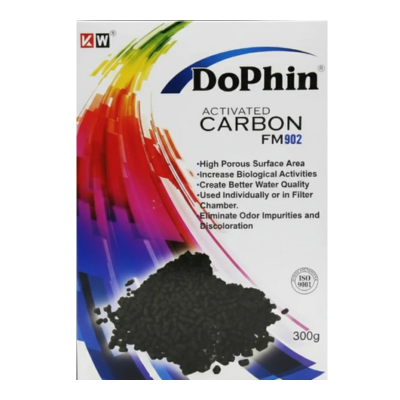
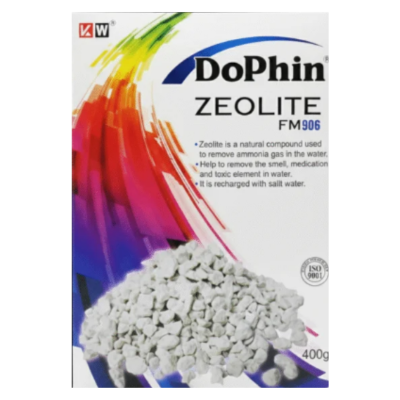
Chemical filter media works on what mechanical and biological media cannot remove. Activated carbon and similar materials absorb dissolved substances that cause discolouration, odours and certain medications or chemicals that you may want to remove from the water column. It is not always required for everyday use, but it is genuinely useful in specific situations such as after treating a tank with medication.
The real secret is that these three types are not rivals. They are teammates. A well set up filter usually layers mechanical media first to catch debris, biological media in the largest space available to grow bacteria, and chemical media where needed for specific situations. Used together, they cover almost every challenge your tank can throw at them.
How To Choose The Right Aquarium Filter Media For Your Tank
Picking the right aquarium filter media becomes far simpler once you think about these points together rather than grabbing whatever looks familiar on the shelf.
- Your filter type and size. Internal filters, canister filters and hang on back filters all have different amounts of space for media, so check what fits comfortably without restricting flow.
- How heavily stocked your tank is. Tanks with a larger fish population produce more waste and benefit from a stronger emphasis on biological media to keep the nitrogen cycle steady.
- Whether you are dealing with a specific issue. Cloudy water often calls for more mechanical media, persistent odours or discolouration often call for chemical media, and unstable ammonia readings almost always point to a need for more biological media.
- How easy the media is to rinse and reuse. Some media types can be cleaned and reused for a long time, while others are designed to be replaced on a schedule. Knowing which is which helps you plan your maintenance routine.
How To Arrange Aquarium Filter Media Inside Your Filter
Where you place each type of media inside your filter genuinely affects how well it performs. As a general rule, water should pass through mechanical media first, so that larger particles are caught early and do not clog the finer media further along. Biological media should then occupy the largest available space, since beneficial bacteria need room and steady water flow to thrive. Chemical media, when used, usually works best placed after the mechanical stage so it is not blocked by debris before it has a chance to do its job. Getting this order right helps every stage of filtration work at its best instead of fighting against each other.
Common Mistakes Hobbyists Make With Aquarium Filter Media
Over the years we have noticed a few patterns that come up again and again, especially among hobbyists who are still finding their feet.
- Rinsing biological media under tap water, which kills the very bacteria it is meant to support. Rinsing it gently in removed tank water protects the colony while still cleaning away excess debris.
- Replacing all the media inside a filter at once, which can wipe out the established bacteria colony and trigger a sudden ammonia spike.
- Leaving chemical media such as activated carbon inside the filter for far longer than it remains effective, which means it eventually stops working without anyone noticing.
- Overpacking a filter with media, which restricts flow and can quietly reduce how well the entire system performs.
- Ignoring mechanical media until it is completely clogged, which forces water around it instead of through it and lets debris back into the tank.
Caring For Your Aquarium Filter Media The Right Way
Looking after aquarium filter media well is mostly about timing and gentleness. Rinse mechanical media in removed tank water whenever it looks visibly dirty, since this is the type that needs the most frequent attention. Handle biological media carefully and rinse it only when truly necessary, always in tank water rather than tap water, so the bacteria living on it stay healthy. Replace chemical media on a regular schedule rather than waiting for visible signs that it has stopped working, since by then it has usually been inactive for a while already. A little attention at the right moments keeps your whole filtration system quietly doing its job in the background.
Why Hobbyists Across India Choose Ocean Paws For Aquarium Filter Media
Ocean Paws was founded in Hyderabad by Pavan and Koushik, two hobbyists who got tired of guessing which products would actually perform well in Indian tanks and Indian water conditions. That same approach shapes our aquarium filter media collection today. Every product we list is chosen with real filtration needs in mind, whether you are running a small community tank or a heavily stocked setup.
If you are ever unsure which media suits your filter or your tank, our team is happy to guide you based on genuine hands on experience rather than a sales script. We pack every order carefully and dispatch it quickly, so your aquarium filter media reaches you fresh and ready to use anywhere in India. Explore our wider range of freshwater aquarium essentials, including aquarium filters, aquarium heaters and aquarium pumps, and build a filtration system that genuinely keeps your tank healthy.
Frequently Asked Questions About Aquarium Filter Media
What is the most important type of aquarium filter media?
If you can only prioritise one type, biological media usually deserves the most attention, since it is what keeps the nitrogen cycle running and ammonia levels under control. That said, the three types work as a team. Mechanical media protects biological media from clogging, and chemical media handles problems that the other two cannot. A balanced setup that includes all three almost always performs better than relying heavily on just one.
How often should I clean or replace my aquarium filter media?
Mechanical media should be rinsed whenever it looks visibly dirty, often every couple of weeks depending on how heavily stocked your tank is. Biological media should be disturbed as little as possible and only rinsed gently in removed tank water when truly needed. Chemical media such as activated carbon is usually most effective for around three to four weeks before it should be replaced, even if it still looks fine on the surface.
Why should I never rinse biological filter media under tap water?
Tap water in most Indian cities contains chlorine or chloramine, which is added to make it safe to drink but is harmful to the beneficial bacteria living on biological media. Rinsing this media under tap water can kill a large part of the colony in seconds, leaving your tank without the bacterial support it needs to process waste safely. Always rinse biological media gently in water that has been removed from the tank during a water change instead.
Do I need chemical filter media in my tank all the time?
Not necessarily. Many stable, well maintained tanks run perfectly well with just mechanical and biological media in place. Chemical media such as activated carbon becomes especially useful in specific situations, for example after using medication that you want to remove from the water, or when dealing with persistent odours or discolouration. Once it has done its job, it can be removed until it is needed again.
Can I mix different types of aquarium filter media in the same filter?
Yes, and in most cases this is exactly what you should do. A thoughtfully arranged filter usually places mechanical media first to catch debris, gives biological media the largest space to support bacteria, and adds chemical media where it is genuinely needed. Mixing the right types in the right order is what allows a single filter to handle several different jobs at once.
How do I know if my aquarium filter media needs attention?
Watch your tank rather than the calendar. Cloudy water that does not clear up often points to overworked or clogged mechanical media. Rising ammonia or nitrite readings usually mean your biological media needs more support or has been disturbed recently. Lingering odours or yellowing water that water changes do not fully solve can be a sign that your chemical media has reached the end of its useful life and needs replacing.
Written by Pavan, co-founder of Ocean Paws and aquarium specialist with 20 years of hands-on fishkeeping experience.
 Dog Grooming Products