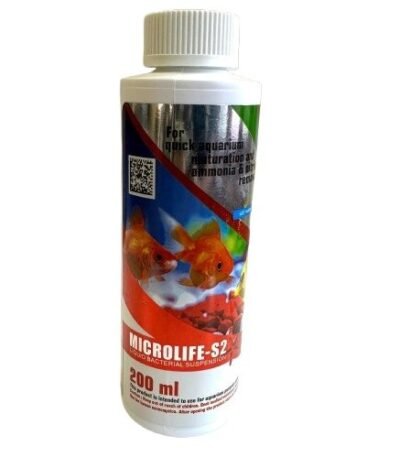
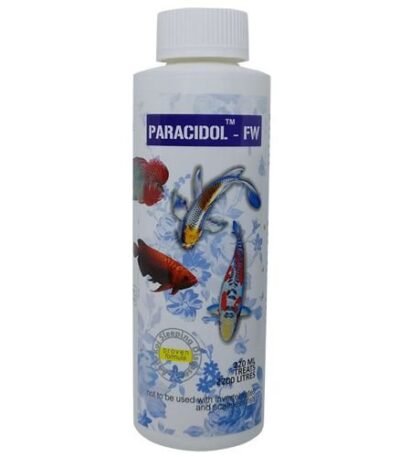
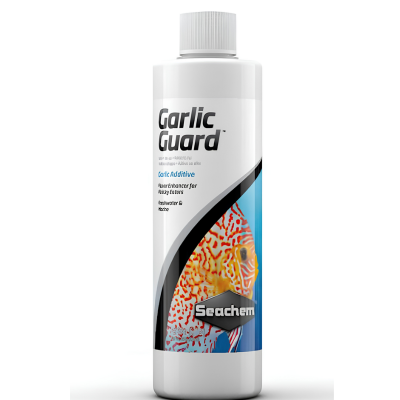
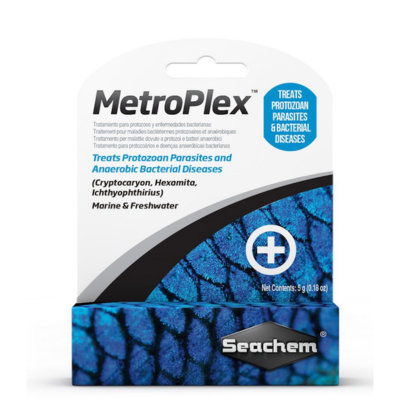
Aquarium Medicines for Freshwater Fish
Fish medicines help treat and prevent the diseases that affect aquarium fish. Common problems include fin rot, white spot, fungal growths and internal or external parasites. The right medicine used early can make the difference between a quick recovery and a lost fish. This range covers treatments for freshwater tanks suited to Indian hobbyists.
Why Fish Get Sick
Most fish illnesses start with stress. Poor water quality, sudden temperature changes, overcrowding and rough handling all weaken a fish’s immune system. Once a fish is stressed, bacteria, fungi and parasites that are normally present in small numbers can take hold and cause disease. This is why fish medicines work best when paired with clean water and stable conditions, not as a replacement for good care.
Common Fish Diseases and What They Look Like
White Spot Disease
White spot disease, also called ich, covers the body and fins in small white dots that look like grains of salt. It spreads quickly between fish and needs prompt treatment. A small rise in water temperature of 2 to 3 degrees Celsius also helps speed up the parasite’s life cycle and makes treatment more effective.
Fin and Tail Rot
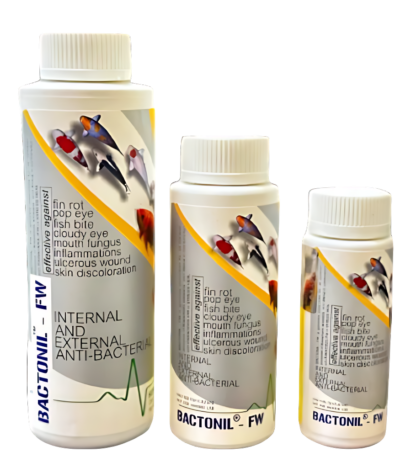
Fin rot causes ragged, frayed or discoloured edges on the fins and tail. It is usually linked to poor water quality or an injury that let bacteria in. Fish medicines aimed at bacterial infections work well alongside frequent water changes.
Fungal Infections
Fungal infections appear as grey or white growths that look like cotton on the skin, fins or gills. They often follow an injury or a spell of poor water quality and respond well to antifungal treatment.
Bacterial Infections
Bacterial infections can cause cloudy eyes, ulcers, bloating or a mouth that looks worn and eroded, a condition often called mouth rot. These infections need a targeted antibacterial medicine and clean, stable water to clear up fully.
Parasites and Worms
Internal and external parasites can cause weight loss, flashing against surfaces, visible worms or a swollen abdomen. Antiparasitic medicines and dewormers target these issues directly.
How to Use Fish Medicines Safely
Correct use makes fish medicines far more effective and safer for your tank.
- Confirm the likely cause before choosing a medicine, since the wrong treatment wastes time and can stress the fish further.
- Remove activated carbon from the filter before dosing, since carbon absorbs most medicines and stops them from working.
- Measure the tank volume accurately and dose according to the actual water volume, not the tank’s rated size.
- Treat in a separate quarantine tank when possible, so the main tank and its bacteria colony are not disturbed.
- Watch for signs of stress during treatment, such as gasping at the surface, and add extra aeration if needed.
- Finish the full course of treatment, even if the fish looks better after a few days, so the infection clears completely.
Fish Medicines and Sensitive Tank Life
Many fish medicines are unsafe for invertebrates such as shrimp and snails. Some can also harm biological filtration or live plants. Always check whether a medicine is safe for invertebrates and plants before adding it to a mixed tank. When in doubt, treat the affected fish in a separate quarantine tank rather than the main display.
After Treatment
Once the course of medicine is finished, carry out a large water change and add fresh activated carbon to remove any leftover traces from the water. Keep an eye on the fish for another week to make sure the illness does not return. Also correct any water quality issues that may have caused it in the first place. See our aquarium filters and aquarium filter media ranges to keep water quality stable and reduce disease risk.
Frequently Asked Questions About Fish Medicines
How do I know which fish medicine to use?
Look closely at the symptoms first. Spots, growths, fin damage and unusual behaviour all point to different causes. Matching the medicine to the symptom gives the best result. If you are unsure, treating for a general bacterial or fungal infection is a safe starting point.
Can I use fish medicine in a planted tank?
Some fish medicines are safe for plants while others are not. Check the label first. Copper-based treatments and certain antiparasitic medicines are more likely to affect sensitive plants. Moving affected fish to a quarantine tank protects both your plants and your main tank’s bacteria colony.
How long does fish medicine take to work?
Most treatments show improvement within three to seven days. A full course often runs for five to ten days, depending on the illness and the product used.
Should I remove sick fish before treating them?
Moving a sick fish to a quarantine tank is often the safer option. It protects the healthy fish in the main tank, lets you dose more precisely and means you do not need to medicate the full volume of your display tank.
Can I use more than one fish medicine at a time?
Combining medicines can be risky unless the products are designed to be used together. Mixing treatments without checking compatibility can overwhelm the fish and damage the beneficial bacteria in your filter.
Written by Pavan, co-founder of Ocean Paws and aquarium specialist with 20 years of hands-on fishkeeping experience.
 Dog Grooming Products