 Dog Grooming Products
Showing all 11 results
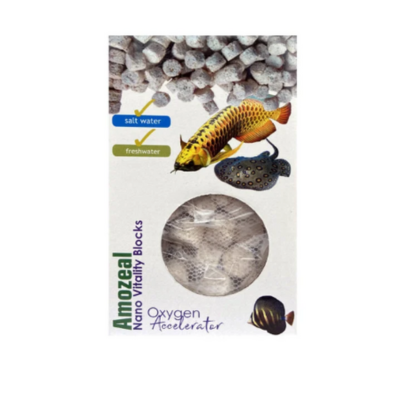
Aquatic Remedies Amozeal
₹675.00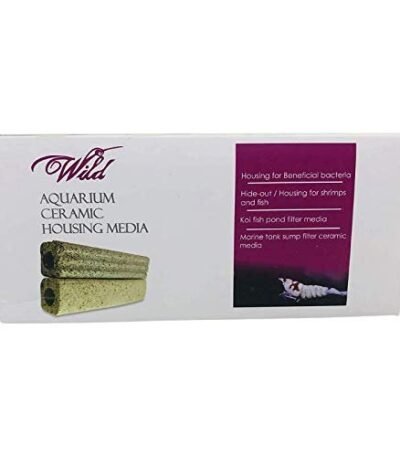
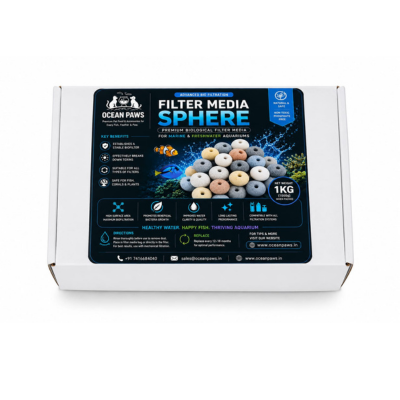
Bio Spheres Biological Media
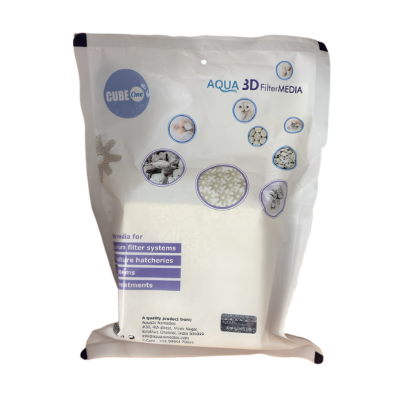
Cube One Bacto Bio Block
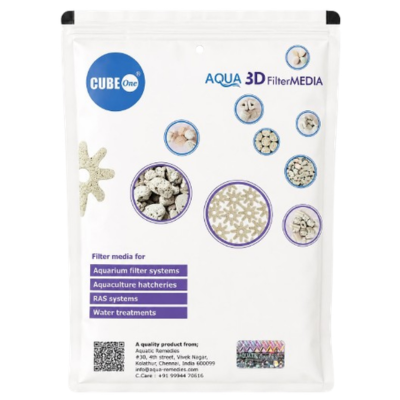
Cube One Ceramic Rings
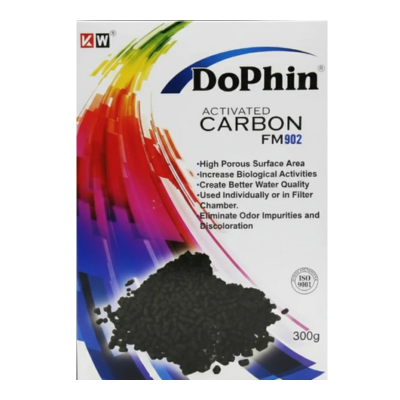
Dophin Activated Carbon
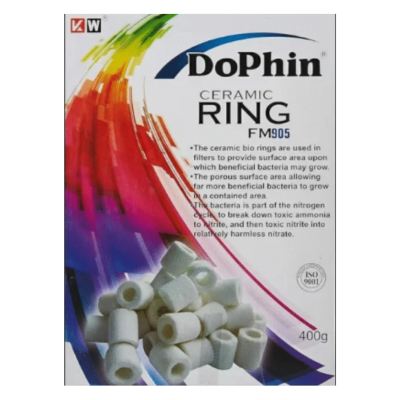
Dophin Ceramic Rings
Marine Filter Media for Reef and Saltwater Tanks India
Written by Pavan | Marine Aquarium Hobbyist and Co-founder, Ocean Paws Hyderabad | Last updated: September 2026
Marine filter media is the backbone of every healthy saltwater aquarium. Without the right filtration, ammonia, nitrate and phosphate build up fast and cause serious damage to corals, fish and the entire biology of your reef. The right marine filter media removes these harmful compounds before they reach dangerous levels.
At Ocean Paws we carry a handpicked selection of biological, mechanical and chemical filter media for reef and saltwater aquariums across India. Whether you are setting up a new sump in Hyderabad or upgrading your filtration in Chennai, we stock everything you need to keep your reef water clean, stable and crystal clear.
Why Marine Filter Media Is Essential for Every Reef Tank
A reef aquarium is a closed system. Fish waste, uneaten food and dying organic matter break down constantly and release harmful compounds into your water. In the open ocean these compounds are diluted across billions of litres. In a home aquarium they concentrate rapidly.
Ammonia is the first compound produced when organic waste breaks down. It is highly toxic to fish and corals even at very low concentrations. Ammonia converts to nitrite, which is equally harmful. Nitrite then converts to nitrate, which is less immediately toxic but drives persistent algae blooms and suppresses coral growth over time.
Phosphate from fish waste and uneaten food fuels hair algae and cyanobacteria. When phosphate levels climb unchecked, algae overtakes your tank and your corals cannot compete for light and space.
Quality marine filter media addresses all of these problems together. Biological media handles the nitrogen cycle. Mechanical media catches solid waste before it decomposes and pollutes the water. Chemical media removes dissolved toxins and excess nutrients. Together, these three types of filtration create the stable, clean water that a reef needs to thrive year after year.
The Three Types of Marine Filter Media Explained
Understanding how each type of marine filter media works helps you choose the right combination for your reef setup. Most experienced Indian reef keepers use all three types together for complete water management.
Biological Filter Media
Biological filter media is the most important type of filtration in any marine aquarium. It provides a home for the beneficial bacteria that drive the nitrogen cycle in your tank.
These bacteria belong primarily to two groups. Nitrosomonas bacteria convert ammonia into nitrite. Nitrospira bacteria then convert nitrite into the far less harmful nitrate. Without a large healthy population of these bacteria living in your filter, ammonia and nitrite will spike and crash your tank.
Biological media provides a large porous surface area where these bacteria colonise and thrive. Premium ceramic biological media offers up to 500 to 800 square metres of surface area per litre of media. This is far more colonisation space than live rock alone provides in a typical home reef tank.
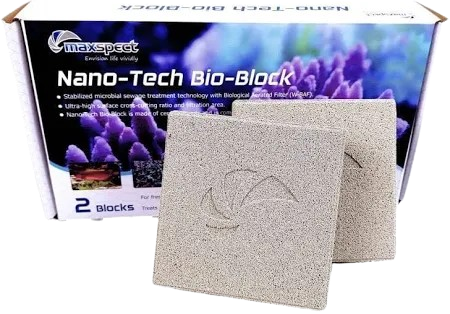
Some advanced biological media such as the Maxspect Nano Tech Anaerobic Block and the Maxspect Nano Tech Bio-Block go even further. Deep inside oxygen-depleted zones within this specialised media, a different group of bacteria perform anaerobic denitrification. They convert nitrate all the way to harmless nitrogen gas which simply escapes into the atmosphere. This is the most complete form of biological filtration available to reef hobbyists today.
We also stock Dophin Ceramic Rings, Cube One Ceramic Rings, Cube One Bacto Bio Block and Bio Spheres Biological Media for setups of all sizes.
One rule to never break with biological media: never rinse it under tap water. Chlorine and chloramine in Indian municipal tap water kill beneficial bacteria almost immediately. Always rinse biological media in a bucket of old aquarium water removed during your regular water change.
Mechanical Filter Media
Mechanical filter media physically removes solid particles from your aquarium water before they can decompose and release ammonia. This is always the first stage of any properly designed filtration system.
Filter socks, filter wool, foam pads and filter rollers all perform mechanical filtration. They trap fish waste, uneaten food and detritus as water passes through them and into your sump.
Here is the single most important thing to know about mechanical filter media: it must be cleaned or replaced very frequently. Filter socks and filter wool left for more than 2 to 3 days become heavily loaded with trapped organic waste. As this waste decomposes inside the filter, it releases ammonia and nitrate directly back into your water. A dirty mechanical filter becomes a nitrate factory.
For tanks with multiple fish, clean or replace mechanical filter media every 2 to 3 days. For lighter setups every 4 to 5 days is acceptable. Many Indian reef keepers in cities like Hyderabad and Bangalore use disposable filter floss and change it twice weekly for maximum water clarity and minimal nitrate accumulation. During Indian summer months, higher water temperatures accelerate organic decomposition, so shorten your filter change intervals by one day during peak summer.
Chemical Filter Media
Chemical filter media removes dissolved compounds that biological and mechanical filtration simply cannot handle. It is the polishing stage of your filtration system and makes a visible difference to water clarity and coral health.
The three most widely used chemical media in reef tanks are activated carbon, GFO phosphate remover and zeolite.
Activated carbon is made from highly porous carbonised material. It adsorbs dissolved organic compounds, removes yellowing from the water, eliminates odours and strips out chemical toxins released by corals during territorial competition with neighbouring colonies. It is particularly important in mixed reef tanks where different species compete for space. We stock Dophin Activated Carbon in multiple sizes. Replace activated carbon every 4 to 6 weeks regardless of how the water looks.
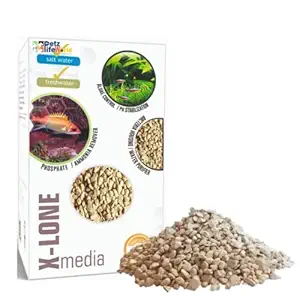
GFO (Granular Ferric Oxide) is the standard phosphate removal media for reef aquariums. GFO granules bind phosphate molecules onto their iron-rich surface and remove them permanently from the water column. The ideal phosphate target for a mixed reef is below 0.05 ppm. For a demanding SPS coral tank the target is below 0.03 ppm. GFO works best in a media reactor where it tumbles slowly in a gentle flow of tank water. Replace GFO monthly or whenever your phosphate test shows levels starting to rise again.
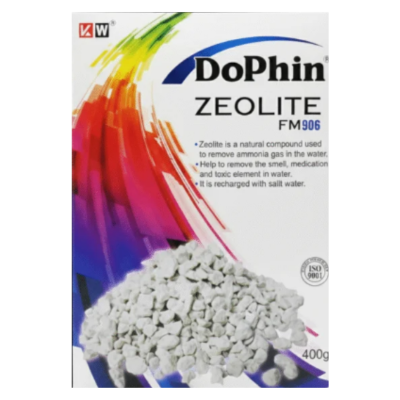
Zeolite removes ammonia through ion exchange. We stock Dophin Zeolite and Aquatic Remedies Amozeal for ammonia control. Zeolite is particularly useful in new reef tanks that are still cycling through the nitrogen cycle. Once your biological filtration is fully established, zeolite is typically phased out.
Target Water Parameters for a Healthy Marine Aquarium
| Parameter | Fish Only Tank | Mixed Reef | SPS Dominant Reef |
|---|---|---|---|
| Ammonia (NH3) | 0 ppm | 0 ppm | 0 ppm |
| Nitrite (NO2) | 0 ppm | 0 ppm | 0 ppm |
| Nitrate (NO3) | Below 40 ppm | Below 20 ppm | Below 5 ppm |
| Phosphate (PO4) | Below 0.5 ppm | Below 0.05 ppm | Below 0.03 ppm |
| pH | 7.8 to 8.3 | 8.1 to 8.4 | 8.1 to 8.4 |
The Correct Sequence for Filter Media in Your Sump
The order in which your filter media sits inside your sump makes a real difference to how well each type performs. The correct sequence is mechanical first, biological second and chemical third.
Mechanical filtration goes first because it removes solid particles before they can reach the biological media. Solid waste entering biological media clogs the pores and reduces the surface area available for beneficial bacteria to colonise.
Biological filtration goes second because it processes the dissolved nitrogen compounds that pass straight through your mechanical media.
Chemical filtration goes last because it polishes the water after the biological stage has completed its primary work. Activated carbon and GFO are most effective in water that has already passed through biological processing.
Marine Filter Media Maintenance Schedule
| Media Type | Maintenance Action | Frequency |
|---|---|---|
| Filter Socks or Filter Floss | Clean or replace fully | Every 2 to 3 days |
| Foam Pads | Rinse in old tank water | Every 1 to 2 weeks |
| Ceramic Biological Media | Gentle rinse in old tank water only | Every 3 to 6 months |
| Anaerobic Denitrification Blocks | Minimal, low maintenance | Replace every 12 to 18 months |
| Activated Carbon | Replace completely | Every 4 to 6 weeks |
| GFO Phosphate Remover | Test PO4 and replace when rising | Monthly or as needed |
| Zeolite | Replace when ammonia rises | Every 4 to 6 weeks |
Which Marine Filter Media Does Your Tank Actually Need
Fish Only and FOWLR Tanks
For fish only and FOWLR setups, biological and mechanical filtration are the two priorities. A large volume of ceramic biological media and very frequent mechanical media changes are your most important tools. Activated carbon keeps the water clear and odour free.
Mixed Reef Tanks with Soft Corals and LPS
Mixed reef tanks benefit from all three types of filtration working together. Biological media handles the nitrogen cycle. Regular mechanical media changes keep detritus under control. Activated carbon removes the toxins that corals release during competition. GFO keeps phosphate below 0.05 ppm.
SPS Dominant Tanks
SPS tanks require the most demanding filtration of all three types. Nitrate must stay below 5 ppm and phosphate below 0.03 ppm for Acropora and other demanding stony corals to colour up and grow. High capacity GFO, regular activated carbon and anaerobic denitrification media work together to achieve these ultra low nutrient levels.
Shop Marine Filter Media at Ocean Paws
Ocean Paws ships marine filter media across India. For help choosing the right combination for your specific tank, call us at +91 7416684040 or email info@oceanpaws.in. Also explore our protein skimmers, marine salt and marine test kits.
Frequently Asked Questions About Marine Filter Media
What is marine filter media and why does a reef tank need it?
Marine filter media is any material placed in a filter or sump to remove harmful compounds from aquarium water. Biological media supports the bacteria that convert ammonia and nitrite into less harmful forms. Mechanical media physically traps solid waste. Chemical media removes dissolved toxins, phosphate and other contaminants. Together these three types keep ammonia, nitrate and phosphate at safe levels for corals and fish in a closed aquarium system.
What is the difference between biological, mechanical and chemical filter media?
Biological media like ceramic rings and anaerobic blocks grows beneficial bacteria that drive the nitrogen cycle. Mechanical media like filter socks and filter floss physically removes solid particles. Chemical media like activated carbon and GFO removes dissolved compounds that neither biological nor mechanical filtration can address.
How often should I replace marine filter media?
Filter floss and filter socks need cleaning or replacement every 2 to 3 days. Activated carbon should be replaced every 4 to 6 weeks. GFO should be tested monthly and replaced when phosphate levels begin to rise. Ceramic biological media only needs a gentle rinse in old tank water every 3 to 6 months. Anaerobic denitrification blocks last 12 to 18 months before replacement.
What is GFO and when should I use it in my reef tank?
GFO stands for Granular Ferric Oxide. It is an iron-rich chemical filter media that binds and permanently removes phosphate from reef aquarium water. Start using GFO when your phosphate level rises above 0.05 ppm in a mixed reef tank or above 0.03 ppm in an SPS tank. GFO works best in a media reactor where it tumbles slowly in a low flow of water.
Can I rinse biological filter media in tap water?
Never rinse biological filter media in tap water. Municipal water across Indian cities contains chlorine and chloramine that kill the beneficial bacteria living on the media surface almost immediately. Always rinse biological media gently in a bucket of old aquarium water removed during your regular water change.
Do I need all three types of marine filter media for my tank?
For a fish only or FOWLR tank, biological and mechanical filtration are the most important priorities. For any tank with live corals, all three types are recommended working together. Most experienced Indian reef keepers run all three types together for complete, reliable water quality management across all seasons.
Written by Pavan, co-founder of Ocean Paws and marine aquarium specialist with 20 years of hands-on reef keeping experience in Hyderabad, India.


