 Dog Grooming Products
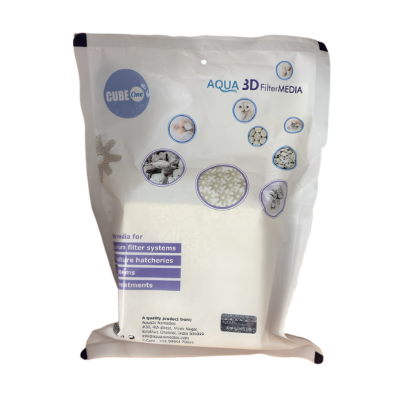
Cube One Bacto Block Bio Block for Marine and Freshwater Aquariums
Author Written by Pavan, co-founder of Ocean Paws and aquarium specialist with 20 years of hands-on fishkeeping experience.
Last Updated July 5, 2026
What Makes This Bio Block the Best Choice for Your Aquarium
If you have ever struggled with cloudy water, rising ammonia levels, or fish that simply refuse to thrive, you already know that biological filtration is the heart of every healthy aquarium. The Cube One Bacto Block Bio Block is designed from the ground up to solve exactly these problems. This powerful bio block gives beneficial bacteria the ideal home they need to establish a stable and thriving nitrogen cycle inside your tank. Whether you keep a reef system bursting with coral, a marine fish only setup, or a planted freshwater aquarium, this bio block delivers results that you can actually measure.
The Cube One Bacto Block is a product of Aquatic Remedies, one of India’s most trusted aquarium brands. It has been engineered specifically for the demanding water chemistry conditions found in marine and reef aquariums, though it works just as effectively in freshwater and pond environments. As a result, this single bio block meets the needs of hobbyists across all experience levels.
What Is a Bio Block and Why Does Your Tank Need One
A bio block is a porous, structured biological filter media that is placed inside your aquarium’s filtration system. Its primary purpose is to provide an enormous surface area for nitrifying bacteria to grow and multiply. These beneficial bacteria are the invisible workhorses of every healthy tank. They convert toxic ammonia and nitrite into far less harmful nitrate through a well understood biochemical process known as the nitrogen cycle.
Without a high quality bio block, your aquarium lacks the bacterial capacity to handle the waste produced by fish, corals, and invertebrates. This leads to ammonia spikes, nitrite poisoning, stressed fish, bleached corals, and ultimately tank crashes. Therefore, investing in the right biological filter media is not optional. It is absolutely essential.
The Cube One Bacto Block takes the concept of a bio block further. Instead of simply providing surface area, it combines ultra high porosity with a structured internal channel design that allows water to flow through the block, not just around it. Consequently, every cubic centimeter of this block works actively to support bacterial colonies both aerobically on the outer surfaces and anaerobically deep within the internal pore structure.
Cube One Bacto Block Bio Block Key Features and Technical Specifications
Ultra High Internal Surface Area
The Cube One Bacto Block is manufactured using a proprietary sintered ceramic process. This sintering technique creates millions of interconnected micropores throughout the entire block structure. As a result, even a single block provides an exceptionally large usable surface area for bacterial colonization. Compared to conventional ceramic rings, plastic bio balls, or foam sponges, this bio block supports a far denser and more diverse population of nitrifying and denitrifying bacteria.
Beneficial bacteria in an aquarium do not float freely in the water column. They grow exclusively on solid surfaces. Therefore, the more surface area a biological filter media offers, the greater the bacterial density it can support, and the more waste it can process per liter of water.
Dual Zone Biological Action
One of the most technically important features of the Cube One Bacto Block is its ability to support both aerobic and anaerobic bacterial activity simultaneously within the same block. The outer surface layers and shallow pores receive a continuous supply of oxygenated water, which makes them ideal for aerobic nitrifying bacteria such as Nitrosomonas and Nitrospira. These bacteria are responsible for converting ammonia into nitrite and then nitrite into nitrate.
Deep within the block’s internal pore structure, oxygen levels gradually drop. This creates a low oxygen microenvironment that supports the growth of anaerobic denitrifying bacteria. These bacteria complete the nitrogen cycle by reducing nitrate all the way to harmless nitrogen gas. Therefore, this bio block provides a genuinely complete biological filtration solution in a single compact unit.
Inert and Chemically Stable Ceramic Composition
The Cube One Bacto Block is made from inert, pH neutral ceramic material. It contains no leachable chemicals, dyes, binders, or substances that could harm fish, corals, or other invertebrates. Moreover, it will not alter your aquarium’s water chemistry or pH over time. This chemical stability is especially important in sensitive reef systems where even small shifts in pH, alkalinity, or calcium levels can stress corals and other invertebrates.
Because the ceramic composition is fully inert, the block maintains its structural integrity indefinitely under continuous submersion. Unlike organic media such as peat or activated carbon that deplete over time, a properly maintained Cube One Bacto Block will serve your tank for many years without needing replacement.
Compatibility with All Filtration Systems
The Cube One Bacto Block is sized to fit conveniently into a wide range of standard filtration setups used by Indian aquarium hobbyists. It works perfectly inside sump filters, canister filters, overhead trickle filters, wet and dry filters, refugiums, and media reactors. Furthermore, it can simply be placed directly in a corner of a sump chamber without any special equipment.
Technical Specifications at a Glance
- Material Sintered porous ceramic.
- Surface Area Ultra high, supports dense bacterial colonies.
- Bacterial Support Aerobic nitrifying and anaerobic denitrifying bacteria.
- pH Impact Fully inert, no pH alteration.
- Compatible Systems Sump, canister, overhead, wet and dry, refugium, media reactor.
- Suitable For Marine aquariums, reef tanks, freshwater aquariums, ponds.
- Lifespan Long term, multi year use with proper maintenance.
- Origin Made in India by Aquatic Remedies.
Understanding the Nitrogen Cycle and How This Bio Block Powers It
To truly appreciate what the Cube One Bacto Block does, it helps to understand the biological process it supports. The nitrogen cycle is the foundational biochemical process that makes aquarium life possible. Every fish, coral, invertebrate, and aquatic plant produces waste. Fish excrete ammonia directly through their gills and in their urine. Uneaten food and decaying organic matter also break down into ammonia. Even in very small concentrations, ammonia is highly toxic to fish and corals.
Stage One Ammonia Conversion
Nitrosomonas bacteria, which are among the first beneficial bacteria to colonize a new filter system, consume ammonia and convert it into nitrite. While nitrite is somewhat less toxic than ammonia, it is still highly dangerous to aquatic life. Even at concentrations as low as 0.3 parts per million, nitrite can cause brown blood disease in fish by interfering with oxygen transport in the bloodstream.
Stage Two Nitrite Conversion
Nitrospira bacteria, which belong to a different genus from Nitrosomonas, then convert nitrite into nitrate. Nitrate is significantly less toxic than both ammonia and nitrite. Most healthy fish can tolerate nitrate levels of up to 20 to 40 parts per million without showing obvious signs of distress, though reef invertebrates and corals prefer levels below 5 parts per million.
Stage Three Denitrification
Denitrifying bacteria, which thrive in low oxygen conditions within the deep internal pores of the Cube One Bacto Block, break down nitrate into nitrogen gas. This nitrogen gas then simply escapes from the water surface. As a result, regular water changes become less frequent and your overall tank maintenance burden is significantly reduced.
Because the Cube One Bacto Block supports all three stages of this biological cycle simultaneously, it functions as a complete biological filtration engine rather than simply a surface for bacteria to sit on.
How to Use the Cube One Bacto Block in Your Aquarium
Step One Initial Rinse
Before placing the bio block in your aquarium or filter system, rinse it thoroughly under clean tap water or RO water. This step removes manufacturing dust and loose ceramic particles that may otherwise cloud your tank temporarily. Do not use any soap, detergent, or chemical cleaner at any stage because these substances will kill the bacteria you are trying to cultivate.
Step Two Placement
Position the bio block in an area of your filter where water flows through it steadily. In a sump filter, the best placement is in the first or second chamber where the incoming tank water passes through before any additional chemical filtration. In a canister filter, place it in the biological media basket. In an overhead trickle filter, position it in the drip tray area where water falls through the media. Good water flow across and through the block is essential for effective bacterial colonization.
Step Three Cycling Period
A new bio block needs time to develop its bacterial colony. In a new aquarium, the full cycling process typically takes between three and six weeks. During this period, ammonia levels will initially rise, followed by a nitrite peak, and finally both will drop to zero as the bacterial population matures. You can speed this process up considerably by dosing a commercial beneficial bacteria supplement such as those from the Aquatic Remedies range alongside the Cube One Bacto Block.
Step Four Ongoing Maintenance
Once the bio block is established, it requires very little maintenance. Every few months, rinse it gently in used tank water or old sump water to remove any accumulated mulm or detritus that may be clogging the pores. Never rinse the block under tap water after it has been colonized because the chlorine in tap water will kill the beneficial bacteria living in the pores.
Importantly, never allow the bio block to dry out completely after bacterial colonization has taken place. If the block dries out, the bacteria will die and the cycling process will need to start again from scratch.
Why Cube One Bacto Block Bio Block Outperforms the Competition
Indian aquarium hobbyists today have access to a growing number of biological filter media products from both international and domestic brands. So understanding how the Cube One Bacto Block compares to other options available in the market helps you make a genuinely informed decision.
Compared to Plastic Bio Balls
Plastic bio balls provide only surface area on their outer structure. They contain no internal porosity. Furthermore, they tend to trap detritus and organic waste in the center of packed beds, which creates anaerobic dead zones that produce hydrogen sulfide rather than useful denitrification. The Cube One Bacto Block provides far greater surface area, supports both aerobic and anaerobic bacterial zones in a controlled and beneficial manner, and does not trap waste in the same way.
Compared to Generic Ceramic Rings
Standard ceramic rings, while effective, typically offer limited internal porosity. Most of their bacterial surface area exists on the outside of the ring. The Cube One Bacto Block has a far more complex internal pore structure that provides substantially greater usable surface area per unit of volume. This means you need less media to achieve the same biological filtration capacity.
Compared to Imported Bio Blocks
Several imported bio block products are available in India through platforms like Aquariums India and others. However, these imported products come at a significant price premium due to shipping costs, import duties, and distributor margins. The Cube One Bacto Block from Aquatic Remedies delivers comparable or superior technical performance at a price point that makes it accessible to every Indian hobbyist. Moreover, as a made in India product, it is readily available from trusted retailers across the country.
Compared to Foam Sponge Filters
Foam sponges are an excellent mechanical pre filter but they offer relatively limited surface area for bacterial colonization compared to sintered ceramic bio blocks. They also degrade over time and need to be replaced, whereas the Cube One Bacto Block lasts for years with proper care. Additionally, foam tends to trap waste and requires more frequent cleaning to prevent it from becoming a source of nitrate rather than a tool for removing it.
Benefits of Using the Cube One Bacto Block Bio Block
Significantly Lower Ammonia and Nitrite Levels
The dense bacterial colony supported by this bio block processes ammonia and nitrite far more efficiently than lower surface area media. As a result, toxic spikes become rare events rather than constant threats.
Reduced Frequency of Water Changes
Thanks to the anaerobic denitrification that occurs within the block’s deep internal pores, nitrate accumulation slows dramatically. Therefore, many hobbyists find that they need to perform water changes less frequently once this bio block is fully established.
Improved Coral and Fish Health
Stable water parameters directly translate to healthier, more active fish and more vibrant coral growth. Ammonia and nitrite stress suppress immune systems in fish and cause tissue recession in corals. Eliminating these stressors allows your animals to allocate energy toward growth and reproduction rather than stress response.
Faster Tank Cycling
Because of the enormous surface area available for bacterial colonization, new tanks cycle significantly faster with this bio block than with most alternative media. This is especially valuable when setting up a new reef or marine fish system where hobbyists are eager to begin adding livestock.
Long Term Cost Effectiveness
Since this bio block does not need to be replaced for several years under normal conditions, it represents a single investment that pays for itself many times over compared to media that must be replaced every few months.
Peace of Mind
Perhaps the most underappreciated benefit of a high quality bio block is simply the confidence it provides. When you know your biological filtration is robust and well established, you worry less about accidental overfeeding, the addition of new livestock, or short periods of reduced water flow causing sudden ammonia spikes.
Frequently Asked Questions About Cube One Bacto Block Bio Block
How long does it take for the Cube One Bacto Block to become effective
Under normal conditions, the bio block will begin supporting measurable bacterial activity within the first week of installation. Full colonization and stable ammonia and nitrite removal typically occurs between three and six weeks in a new aquarium. In an established tank where bacterial seed material is already present in the water, the block can become effective much faster, sometimes within ten to fourteen days.
Can I use the Cube One Bacto Block in a saltwater reef tank
Yes, absolutely. This bio block has been designed with marine and reef applications firmly in mind. The inert ceramic material does not affect calcium, alkalinity, or magnesium levels. It supports the bacterial species naturally present in marine systems. Therefore, it is an excellent choice for reef tanks, fish only with live rock systems, and marine fish only aquariums alike.
How many blocks do I need for my tank
The number of blocks required depends on the bioload of your aquarium, meaning the number and size of fish and the amount of feeding taking place. As a general guideline, one block per 100 to 150 liters of water provides a solid starting point for a moderately stocked tank. For heavily stocked systems or large fish that produce significant waste, additional blocks will further improve water quality.
Can the bio block be used in a pond
Yes, the Cube One Bacto Block works effectively in pond filtration chambers. Koi ponds and garden ponds produce substantial ammonia loads due to dense fish populations and high feeding rates. Therefore, several blocks placed in a properly designed pond filter chamber can dramatically improve water clarity and fish health.
What happens if the block is temporarily removed from water
If the block is exposed to air briefly during maintenance, this will not cause significant bacterial die off as long as the block stays moist. However, if the block dries out completely, the bacteria living within the pores will die and the block will need to be re colonized from scratch. Always keep the block submerged or at minimum damp during any maintenance procedures.
Should I clean the bio block and how often
A light rinse in used aquarium water every three to four months is sufficient to remove accumulated detritus and maintain good water flow through the pores. Never use tap water, hot water, or any cleaning product on a colonized block. Over cleaning is actually more harmful than under cleaning because it removes the bacterial colony you have worked to establish.
Is the Cube One Bacto Block safe for sensitive invertebrates
Yes. The ceramic material is fully inert and does not leach any compounds into the water. It is safe for use in tanks housing soft corals, SPS corals, LPS corals, anemones, shrimps, crabs, echinoderms, and other sensitive invertebrates.
Where to Buy Cube One Bacto Block Bio Block in India
The Cube One Bacto Block is available from leading Indian aquarium retailers both online and in physical stores. Aquatic Remedies products are stocked across the country, making this bio block one of the most accessible high quality biological filter media options available to Indian hobbyists. Because it is a domestic product, you avoid the long shipping times and high import costs associated with foreign bio block brands.
Final Thoughts on the Cube One Bacto Block Bio Block
Biological filtration is not a luxury add on for serious hobbyists. It is the single most important aspect of aquarium water management. Without a robust and well populated biological filter, no amount of water changes, chemical treatments, or expensive equipment will keep your tank stable over the long term.
The Cube One Bacto Block gives you a scientifically designed, technically advanced, and thoroughly practical bio block that handles the full spectrum of biological filtration needs in a single unit. From the moment you place it in your filter to the years of stable, crystal clear water that follow, this product consistently delivers what every aquarium keeper ultimately wants. A healthy, thriving, and beautiful underwater world.
If you are setting up your first marine aquarium, upgrading your existing filtration, or looking for a reliable Indian made solution that truly competes with the best international products available, the Cube One Bacto Block Bio Block is the right choice.
Disclaimer This product page is intended for informational purposes. Always follow the product instructions included in the packaging. Water parameters should be tested regularly using a reliable test kit to monitor the effectiveness of biological filtration in your specific aquarium setup.
Author Written by Pavan, co-founder of Ocean Paws and aquarium specialist with 20 years of hands-on fishkeeping experience.
Last Updated July 5, 2026


