 Dog Grooming Products
Showing all 3 results
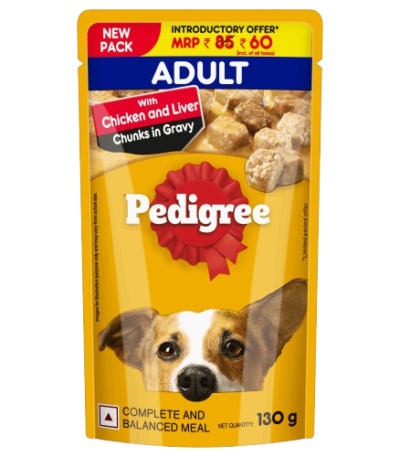
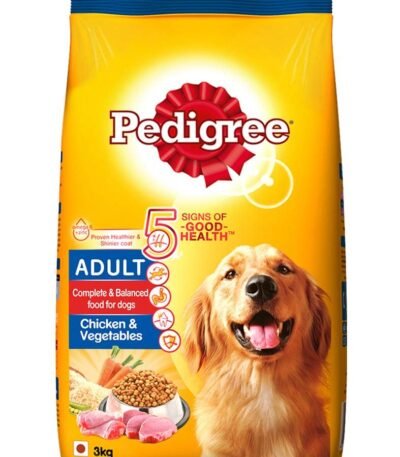
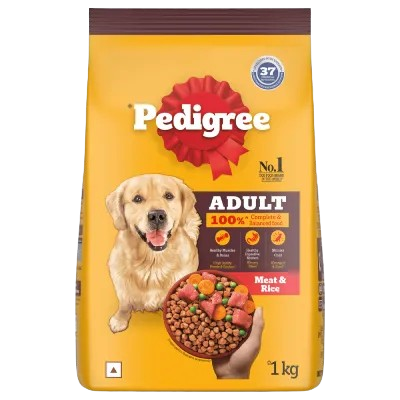
Pedigree Meat & Rice Adult Dry Dog Food
Dog Food Online India
Good dog food is the single most important investment you make in your dog’s long-term health. What your dog eats every day shapes their energy levels, coat condition, immunity, dental health and how many healthy years they live. With the range of options available in India today, choosing the right food for your specific dog can feel overwhelming. This guide is written to help you make a genuinely informed decision rather than just grabbing the most familiar bag on the shelf.
At Ocean Paws we stock dog food chosen for nutritional quality and suitability for dogs living in Indian conditions. We carry options across life stages and breed sizes, all from brands we trust to deliver consistent quality.
How to Read a Dog Food Label
The ingredient list on a dog food packet is your most useful tool for evaluating quality. Ingredients are listed in order of weight, so the first few ingredients tell you what the food is primarily made of.
The first ingredient should be a named protein source: chicken, lamb, beef or fish. A food that lists chicken as its first ingredient is primarily made of chicken. A food that lists corn or wheat first is primarily a grain-based product with protein added later. Dogs are natural carnivores and thrive on diets with high animal protein content.
Avoid foods with vague ingredient names like meat meal, animal digest or poultry by-product without specifying the source animal. These terms cover a wide range of quality and consistency varies between batches. A food that specifically says chicken meal or salmon meal is using a named, consistent protein concentrate.
Watch for the total carbohydrate content. Dog food labels in India often do not list carbohydrate percentages directly, but you can estimate it by subtracting protein, fat, fibre, moisture and ash percentages from 100. High-quality dog food keeps carbohydrates below 40 percent of total content.
Choosing Food for Your Dog’s Life Stage
Puppy Food
Puppies have significantly higher nutritional requirements than adult dogs. They need more protein for muscle development, more calcium and phosphorus for bone growth, and more calories per kilogram of body weight to fuel their rapid development. Feed a food specifically labelled for puppies or for all life stages, not adult dog food, until your dog reaches maturity. Most medium breeds reach maturity at around 12 months. Large breeds like Labradors, German Shepherds and Golden Retrievers continue growing until 18 to 24 months and benefit from large-breed puppy food that controls the rate of bone growth to reduce the risk of joint problems in adulthood.
Adult Dog Food
An adult dog needs a complete, balanced diet that maintains a healthy weight and supports long-term organ function. The right amount to feed depends on your dog’s actual weight, activity level and the specific caloric density of the food. Always follow the feeding guidelines on the packaging as a starting point, but adjust based on your dog’s body condition. You should be able to feel your dog’s ribs easily but not see them prominently. If your dog is consistently gaining weight, reduce portion size slightly. If they are losing muscle condition, increase it.
Senior Dog Food
Dogs are generally considered senior from around 7 years of age, though large breeds age faster and may benefit from senior food from 5 or 6 years. Senior dogs often have lower energy requirements and may benefit from food with added joint support nutrients including glucosamine and chondroitin. Some senior dogs develop kidney issues that require lower phosphorus content in their diet. Consult your veterinarian before switching to a specialised senior diet if your dog has any diagnosed health condition.
Dry Food vs Wet Food vs Raw Food
Dry kibble is the most popular dog food choice in India for good reasons. It is easy to store, has a long shelf life even in Indian humidity, is nutritionally complete in quality formulations and provides some mechanical dental cleaning through chewing. It is also significantly more affordable per serving than wet food.
Wet food has higher moisture content which benefits dogs that do not drink enough water on their own, and many dogs find it more palatable than dry food. It is useful for dogs recovering from illness or surgery and for senior dogs with dental problems who find dry kibble difficult to chew. Using wet food as a topper on dry kibble is a practical middle ground that many Indian dog owners find works well.
Raw food diets including raw meat, bones and vegetables have a passionate following in the Indian dog community and some dogs do very well on them. However, raw feeding requires significant research, careful hygiene management in Indian conditions where food spoils rapidly in heat, and understanding of nutritional balance to avoid deficiencies. It is not recommended for beginners or for households with immunocompromised people without veterinary guidance.
Indian Conditions and Dog Nutrition
Indian summers bring specific nutritional considerations. During very hot weather, many dogs reduce their food intake naturally as their activity levels drop. This is normal. Do not force feed a healthy dog that is eating less during a heatwave. Ensure they always have access to fresh cool water as dehydration is a serious risk in summer heat.
During monsoon season, food storage is a genuine concern. Dry kibble absorbs humidity rapidly once opened and can develop mould within days in coastal or high-humidity cities. Store opened bags in an airtight container, preferably in an air-conditioned room. Never leave opened food in the original paper or plastic bag unsealed in a humid environment.
Shop Dog Food at Ocean Paws
We stock dog food with fast delivery across India. Also see our dog accessories and dog grooming products ranges.
Frequently Asked Questions About Dog Food in India
How much food should I feed my dog each day?
Start with the feeding guide on the food packaging, which gives a recommended daily amount based on your dog’s body weight. Adjust from there based on your dog’s body condition. A dog at a healthy weight has a visible waist when viewed from above and you can feel the ribs without pressing hard. Weigh your dog monthly and adjust portions if their weight is trending up or down unexpectedly.
Can I feed my dog homemade food?
Home-cooked food can supplement a commercial diet but should not fully replace it without veterinary guidance. A complete commercial dog food is formulated to meet all nutritional requirements in precise proportions. Homemade food is very difficult to balance nutritionally without specific veterinary nutritionist advice. Boiled chicken, rice and vegetables are safe additions to a commercial diet but should not make up more than 20 to 25 percent of your dog’s total daily food intake without professional guidance.
How do I switch my dog to a new food?
Transition slowly over 7 to 10 days to avoid digestive upset. Start by replacing 25 percent of the old food with new food for the first two to three days. Increase to 50 percent new food for the next two to three days, then 75 percent new food, and finally 100 percent new food. If your dog shows loose stools at any point, slow the transition down further. Some dogs with sensitive digestion need two weeks or more to fully transition.
What human foods are dangerous for dogs?
Grapes and raisins cause kidney failure in dogs even in small quantities. Onions and garlic in any form including cooked, powdered and raw cause red blood cell damage. Chocolate contains theobromine which is toxic to dogs. Macadamia nuts cause neurological symptoms. Xylitol, an artificial sweetener found in sugar-free products including some peanut butters, causes dangerous drops in blood sugar. Avocado contains persin which can cause vomiting and diarrhoea. When in doubt about whether a food is safe, do not feed it and consult your veterinarian.
Written by the Ocean Paws Team, pet care specialists at Ocean Paws, Hyderabad, India.


