 Dog Grooming Products
Filter by category
Showing all 4 results
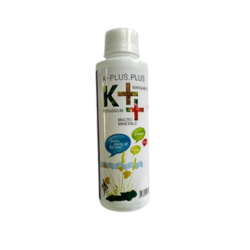
Aquatic Remedies K++
₹150.00 – ₹240.00Price range: ₹150.00 through ₹240.00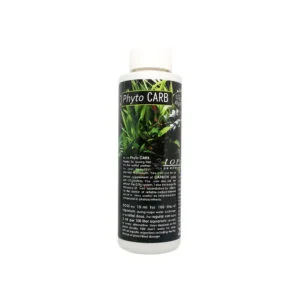
Aquatic Remedies Phyto Carb
₹170.00 – ₹340.00Price range: ₹170.00 through ₹340.00
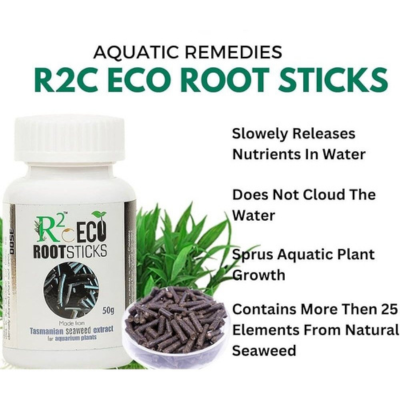
R2O Eco Root Sticks
Planted Aquarium Fertilizer for Lush, Healthy Aquatic Plants
Written by Pavan and Koushik | Planted Aquarium Hobbyists and Co-founders, Ocean Paws Hyderabad
Every hobbyist who has kept a planted aquarium in India for more than a few months eventually faces the same moment. The plants start growing slowly, older leaves turn pale or yellow, the stems look leggy and the tank loses that lush saturated green that made you fall in love with the hobby in the first place. Nine times out of ten the answer is not more light, not more CO2 and not a water change. The answer is better planted aquarium fertilizer and a proper nutrient routine.
At Ocean Paws we stock a range of planted aquarium fertilizers covering macronutrients, micronutrients, all-in-one liquid fertilizers, and specialty supplements for planted tanks of every size and level of experience. Every product is selected based on real planted tank experience in Indian water conditions.
Why Planted Aquarium Fertilizer Is Essential
Aquatic plants are living organisms with real nutritional needs. They require a steady supply of macronutrients and micronutrients to grow, maintain healthy colour and compete successfully against algae. In a closed aquarium system, these nutrients are consumed by plants and bacteria and then removed during water changes. Without regular replenishment through a quality fertilizer, plants become nutrient deficient and growth suffers.
Indian tap water adds one more complication. Municipal water across cities like Hyderabad, Bangalore, Mumbai and Delhi is typically low in the trace elements that aquatic plants need. This makes fertilization even more important for Indian planted tank hobbyists than it is in countries where the tap water naturally carries useful mineral content.
Macronutrients vs Micronutrients in Planted Aquarium Fertilizer
Macronutrients
Macronutrients are the nutrients plants consume in large quantities. The three primary macronutrients are nitrogen, phosphorus and potassium — often written as NPK. Nitrogen drives leaf and stem growth. Phosphorus supports root development and energy transfer within the plant. Potassium regulates water uptake and enzyme function throughout the plant.
In a well-stocked aquarium, fish waste provides some nitrogen and phosphorus naturally. However, potassium is almost always deficient in planted tanks and almost never present in sufficient quantities in fish waste or Indian tap water. A potassium deficiency shows as yellow or pinholes in older leaves and slow overall growth. Dedicated potassium supplements or all-in-one fertilizers address this reliably.
Micronutrients
Micronutrients are elements plants need in small but critical quantities. Iron is the most important micronutrient in a planted aquarium. Iron deficiency shows as yellowing of new leaves while the veins remain green, a condition called chlorosis. Without adequate iron, the chlorophyll that gives plants their green colour cannot be produced effectively.
Other important micronutrients include manganese, zinc, boron, molybdenum and copper. These are needed in trace quantities but their absence causes visible deficiency symptoms over time. A quality chelated micronutrient or trace element supplement keeps these topped up reliably between water changes.
Types of Planted Aquarium Fertilizer at Ocean Paws
All-in-One Liquid Fertilizers
All-in-one liquid fertilizers are the simplest entry point into planted tank nutrition. They contain a balanced blend of macronutrients and micronutrients in a single bottle. You add the recommended dose to your aquarium once or twice a week and the plants receive everything they need from one product. These are ideal for low-tech tanks, beginners and hobbyists who prefer a simplified routine without separate macro and micro dosing.
Dedicated Macronutrient Supplements
Dedicated macronutrient supplements allow you to address specific deficiencies precisely without altering the balance of other nutrients. A standalone potassium supplement corrects potassium deficiency without adding excess nitrogen or phosphorus that might fuel algae. A nitrogen supplement boosts nitrogen when the tank is lightly stocked and fish waste alone is not sufficient for fast growing stems.
Dedicated Micronutrient and Iron Supplements
Iron and trace element supplements are the most commonly needed dedicated supplements in Indian planted tanks. A quality chelated iron supplement keeps iron bioavailable to plants for longer than non-chelated forms, particularly in higher pH Indian tap water where iron precipitates out of solution quickly. Dose iron two to three times per week for best results in high-growth planted tanks.
Root Tabs and Substrate Fertilizers
Root feeding plants including Amazon swords, crypts, vallisneria and most stem plants with developed root systems benefit significantly from substrate fertilization. Root tabs are capsules pushed into the substrate near the roots of heavy-feeding plants. They release nutrients slowly over several weeks directly into the root zone where these plants absorb most of their nutrition. See our planted aquarium accessories range for root tabs and substrate tools.
Fertilizing Without CO2 Injection
Many Indian planted tank hobbyists run low-tech setups without pressurised CO2 injection. This is a completely valid and rewarding approach to the hobby. However, fertilizing a low-tech planted tank requires a different approach than a high-tech CO2 injected system.
In a low-tech tank, plant growth is slower because CO2 is the limiting factor rather than nutrients. Adding too much fertilizer in a low-tech setup without enough plant mass to consume it feeds algae rather than plants. The key is to dose conservatively and match your fertilizer input to your plant biomass. Start with half the recommended dose on any fertilizer package and increase slowly if plants show deficiency symptoms rather than algae growth.
Choosing the right plants also matters in a low-tech setup. Easy low-light plants including Java fern, Anubias, moss balls, vallisneria and cryptocorynes are naturally slower growing and naturally more efficient with nutrients than fast-growing stem plants. See our planted aquarium range for CO2 systems and lighting that work alongside your fertilizer routine.
Shop Planted Aquarium Fertilizer at Ocean Paws
We stock planted aquarium fertilizers with fast delivery across India. For help choosing the right fertilizer combination for your specific setup, contact us at info@oceanpaws.in. Also explore our planted aquarium lighting and planted aquarium soil ranges.
Frequently Asked Questions About Planted Aquarium Fertilizer
Do I need to use fertilizer in a planted tank without CO2 injection?
Yes, but dose conservatively. In a low-tech tank without CO2 injection, plant growth is slower and nutrient demand is lower. Start with half the recommended dose and increase only if plants show clear deficiency symptoms. Overdosing fertilizer in a low-tech tank without sufficient plant mass to consume it feeds algae rather than your plants.
Will using planted aquarium fertilizer cause algae in my tank?
It can, if you dose more than your plants can consume. The key is balance between light, CO2 and nutrients. If you dose heavily but have low light and no CO2, the nutrients accumulate and fuel algae. Match your fertilizer dose to your plant growth rate and increase dosing only as your plant biomass and growth rate increase.
What is the difference between macronutrients and micronutrients in planted aquarium fertilizer?
Macronutrients are nitrogen, phosphorus and potassium — the nutrients plants consume in large quantities. Micronutrients are trace elements like iron, manganese and zinc that plants need in very small amounts but cannot grow without. Most deficiencies visible on leaves are either potassium deficiency among macronutrients or iron deficiency among micronutrients.
How is a dedicated potassium supplement different from a complete all-in-one fertilizer?
An all-in-one fertilizer contains all macronutrients and micronutrients in a single balanced formula. A dedicated potassium supplement contains only potassium and is used to correct a specific potassium deficiency without altering the balance of other nutrients. If your plants show classic potassium deficiency symptoms such as pinholes in older leaves, a dedicated potassium supplement corrects the problem more precisely than increasing your all-in-one dose.
What is Phyto Carb and do I need it if I already use CO2 injection?
Phyto Carb is a liquid carbon supplement that provides a bioavailable carbon source for plants in tanks without pressurised CO2 injection. If you already inject CO2, you do not need Phyto Carb as your plants are receiving carbon directly from the CO2 system. Liquid carbon is an alternative to CO2 injection, not a complement to it.
How do I know if my plants need more fertilizer or more light?
The pattern of deficiency symptoms tells you which is lacking. Yellow new leaves with green veins indicate iron or micronutrient deficiency. Yellow older leaves or holes in leaves indicate potassium or macronutrient deficiency. Both of these point to fertilizer as the solution. Slow growth with dark green healthy colour and no deficiency symptoms in a low-light tank points to light as the limiting factor rather than nutrients.
Written by Pavan and Koushik, co-founders of Ocean Paws and planted aquarium enthusiasts with over 20 years of combined fishkeeping experience in Hyderabad, India.


