 Dog Grooming Products
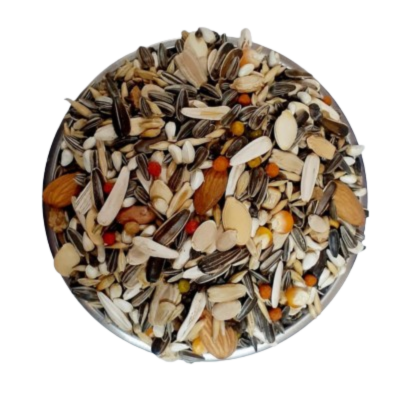
Sun Conure Seed Mix For Healthy Feathers And Lasting Energy
A sun conure seed mix is the daily meal that shapes how bright a bird’s feathers look, how much energy it carries through the day and how strong its immune system stays over the years. Because sun conures are naturally active, playful and vocal, they burn energy fast and need a feed that keeps pace with them. This sun conure seed mix has been put together after studying what these birds eat in the wild, what avian nutritionists recommend and where most seed mixes sold in the market fall short. Every seed in the pack earns its place and none of it is filler.
Most sellers list a handful of seed names and stop there, leaving buyers guessing how much of each seed they are actually paying for. This sun conure seed mix takes a different approach. Every seed is measured by weight, so the exact percentage of each ingredient is shared openly below, along with the nutritional analysis, feeding guidance and storage advice a careful bird parent actually needs.
What Is Sun Conure Seed Mix
A sun conure seed mix is a blend of seeds, grains and small nuts formulated specifically for the size, beak strength and metabolism of the sun conure, a mid sized parrot that is far more active than a budgie yet smaller than a macaw. Because a one size fits all bird seed cannot meet the needs of every species, this mix has been proportioned so that no single seed dominates the bowl. Sunflower and safflower give the bird its fat and energy, millets and paddy provide easily digestible carbohydrates, and smaller seeds such as flax, hemp and pumpkin round off the fatty acid and mineral profile. As a result, the bird receives variety in every scoop rather than picking through a bowl for its favourite seed and leaving the rest behind.
About The Sun Conure
The sun conure, known scientifically as Aratinga solstitialis, is native to the forests and savannas of northeastern South America, particularly Guyana, Suriname and northern Brazil. In the wild, these birds forage in flocks and feed on fruit, flowers, berries, seeds, nuts and occasional insect larvae, which explains why a varied diet suits them so much better than a single food source. An adult sun conure typically weighs between 100 and 120 grams and measures close to 30 centimetres from beak to tail. Their bright orange, yellow and green plumage makes them one of the most recognisable pet parrots in Indian households today, and their intelligence means they also need mental stimulation through foraging, which a good seed mix naturally encourages.
Complete Sun Conure Seed Mix Composition And Percentage Of Each Seed
Transparency matters, so here is the exact composition used in this sun conure seed mix, seed by seed.
- Safflower seed makes up 20 percent of the mix and is included first because it is lower in fat than sunflower while still being well liked by conures, making it a safer everyday energy source.
- Striped sunflower seed forms 16 percent of the blend. It supplies vitamin E and healthy fat, though it is kept below a fifth of the total mix since sunflower seed alone is too rich to feed in excess.
- Paddy, which is unpolished rice in the husk, contributes 12 percent. It gives the bird something to crack and chew, which supports natural beak wear and foraging behaviour.
- Foxtail millet accounts for 10 percent and offers easily digestible carbohydrates along with a mild, appealing taste that most conures accept readily.
- Pearl millet, locally known as bajra, is present at 8 percent and adds further carbohydrate variety along with trace minerals such as iron and phosphorus.
- Plain canary seed holds an 8 percent share. It is small, light and a traditional staple in Indian bird feed because of its easy digestibility.
- Naked oats make up 7 percent of the mix and bring soluble fibre along with B vitamins that support the nervous system.
- Split groundnut, in small measured pieces, forms 6 percent of the blend. Groundnut is a favourite among conures and offers protein, though it is limited in quantity because of its high fat content.
- Flaxseed contributes 4 percent and is one of the richest plant sources of omega 3 fatty acids, which supports feather sheen and skin health.
- Pumpkin seed makes up 3 percent and is valued for its zinc content, which plays a role in immune function and feather regrowth after moulting.
- Hemp seed is added at 2 percent for its balanced ratio of omega 3 and omega 6 fatty acids.
- Niger seed and sesame seed are each included at 1.5 percent, adding calcium, iron and a small boost of additional fat without tipping the overall mix off balance.
- Buckwheat rounds off the composition at 1 percent, contributing a small amount of protein and a flavour that keeps the mix interesting for the bird.
Because each seed is measured rather than estimated, the same balance of taste and nutrition is repeated in every batch, so the bird is not left to sort through the bowl for a handful of favourites while ignoring the rest.
Nutritional Profile Of This Sun Conure Seed Mix
Based on the combined composition above, this sun conure seed mix carries an approximate crude protein level of 14 to 15 percent, crude fat between 16 and 18 percent and crude fiber close to 9 percent, figures that sit comfortably within the range recommended by avian nutrition references for seed based parrot feeds. Vitamin E is naturally present through the sunflower and safflower content, while zinc, iron, calcium and phosphorus are contributed by the smaller seeds in the blend. Because these values depend on the exact seed batch and harvest, they should be treated as a typical analysis rather than a fixed guarantee, and the pack label should always be checked for the specific batch being purchased.
Health Benefits Of Feeding This Sun Conure Seed Mix
Feathers are one of the first places nutrition shows itself, and the omega fatty acids from flax, hemp and sunflower in this sun conure seed mix support the sheen and colour depth of a conure’s coat. Zinc and sulphur bearing amino acids from the seed blend additionally aid the regrowth of feathers after moulting, which is often when a bird’s diet is put to the real test.
Beak health benefits too, since paddy and the husked seeds in the mix give the bird something firm to crack, which naturally files down the beak and prevents overgrowth. Meanwhile, the variety of textures and shapes encourages foraging behaviour, so the bird stays mentally engaged instead of picking at a single repetitive food.
Energy levels also stay steadier throughout the day because the mix balances fast burning fats from sunflower and safflower with slower digesting carbohydrates from millet and oats. Consequently, a conure fed this blend is less likely to show the energy crashes that come from a diet overloaded with a single fatty seed.
Finally, immunity is supported through the zinc, vitamin E and trace mineral content spread across the fourteen seeds, giving the bird a broader nutritional base than a mix built around only two or three ingredients.
How To Feed Your Sun Conure Seed Mix Every Day
A healthy adult sun conure typically eats between 2 and 3 tablespoons of seed mix a day, though the exact amount depends on the bird’s size, activity level and whether it is also being offered fresh food. It helps to serve the mix in a clean, dry feeder each morning and to remove any uneaten or soiled portion by evening, since leftover seed can attract moisture and spoil quickly in humid Indian weather.
Although this sun conure seed mix is nutritionally rounded, avian veterinarians generally agree that seeds work best as part of a wider diet rather than the entire diet. For that reason, it is worth pairing the mix with fresh vegetables such as carrot, spinach and sprouted moong, along with limited amounts of fruit like papaya or apple, and a mineral source such as cuttlebone for calcium. Water should be changed daily, and any sudden change in diet should be introduced gradually over a week or two so the bird’s digestive system can adjust comfortably.
It is also worth noting that avocado, onion, chocolate and salted or sugary human snacks are toxic or harmful to conures and should never be offered alongside this seed mix.
Storage And Shelf Life
Once opened, this sun conure seed mix should be stored in an airtight container, kept away from direct sunlight and moisture, and used within 60 to 90 days for the best nutritional value and taste. Because seeds naturally contain oil, they can turn rancid faster in hot or humid conditions, so refrigeration is a sensible option for buyers in warmer regions who purchase larger pack sizes. A quick sniff test before each feeding is a simple habit that helps catch spoilage early, since fresh seed should smell neutral and slightly nutty rather than sharp or musty.
Why This Sun Conure Seed Mix Stands Apart
Many seed mixes sold online list a long string of ingredient names without ever disclosing how much of each seed is actually inside the pack, which leaves buyers unable to judge whether they are getting a balanced feed or mostly cheap filler seed. This sun conure seed mix instead discloses every percentage, so buyers know exactly what their bird is eating rather than trusting a vague ingredient list.
Furthermore, while several competing products focus purely on taste and skip nutritional analysis altogether, this mix pairs its full percentage breakdown with an approximate protein, fat and fibre profile, giving bird parents the same level of information they would expect from a good quality pellet food. Freshness is also treated seriously, since every batch is cleaned to remove dust, husk and broken seed before packing, and the pack itself is sealed to protect against moisture until it reaches the buyer.
In short, where other sun conure seed mixes ask for trust, this one offers proof in the form of real numbers, honest nutrition and feeding guidance drawn from how sun conures actually behave and eat.
Frequently Asked Questions About Sun Conure Seed Mix
What percentage of a sun conure’s diet should be seed mix
Most avian nutritionists suggest that seed mix should form a meaningful but not exclusive part of a sun conure’s diet, generally alongside fresh vegetables, some fruit and a mineral supplement, rather than being offered as the only food throughout the day.
Can sun conures eat sunflower seed every day
Sunflower seed can be fed daily in moderation, which is why it is capped at 16 percent of this sun conure seed mix rather than being the dominant ingredient, since too much sunflower seed on its own can lead to an overly fatty, nutritionally narrow diet.
How much sun conure seed mix should I feed daily
An adult sun conure generally does well on 2 to 3 tablespoons a day, adjusted according to the bird’s size, activity level and how much fresh food is offered alongside the seed mix.
Is this sun conure seed mix suitable for baby or young conures
Weaned young conures can eat the same mix as adults once they are fully independent feeders, though softer foods and hand feeding formula remain necessary before weaning is complete, so it is best to check with an avian vet on timing.
How long does an opened pack of sun conure seed mix stay fresh
An opened pack stays fresh for around 60 to 90 days when stored in an airtight container away from heat and moisture, and refrigeration can extend this further in humid climates.
Does this sun conure seed mix contain any artificial additives
No artificial colours, flavours or preservatives are used, and the mix is cleaned mechanically to remove dust and stones so the seeds remain natural and safe for daily feeding.
Final Thoughts
Choosing the right sun conure seed mix comes down to one simple question, which is whether the seller is willing to show exactly what is inside the pack. This sun conure seed mix answers that question openly, with fourteen carefully measured seeds, a disclosed nutritional profile and feeding guidance built around how sun conures actually live and eat. A bird fed on a mix like this is more likely to show brighter feathers, steadier energy and stronger immunity over time, which is ultimately what every bird parent wants from the food they choose.


