 Dog Grooming Products
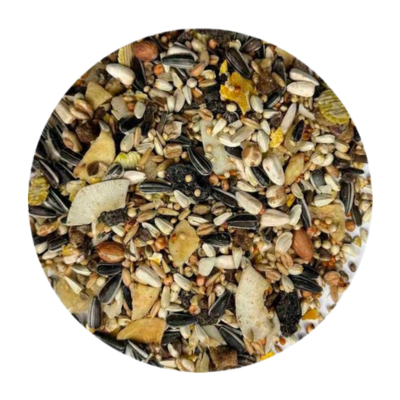
Small Conure Seed Mix
Small Conure Seed Mix For Bright Feathers And Steady Energy
A small conure seed mix is the daily meal that decides how playful, how vocal and how healthy a little conure stays through the years. Because small conures such as the green cheek, black capped, peach fronted and half moon carry a lighter body and a gentler beak than their larger cousins like the sun conure, they cannot simply be fed a scaled down version of a big parrot mix. This small conure seed mix has been built from the ground up for that smaller frame, drawing on avian nutrition guidance and a close look at what most sellers currently offer, which turns out to be far less than bird parents deserve.
Most seed mixes sold for conures are actually large conure blends repackaged under a different label, loaded with big sunflower kernels and whole peanuts that a small conure struggles to crack safely. This small conure seed mix instead uses seeds sized and balanced for a lighter beak, and every single ingredient is measured by weight so its exact percentage can be shared openly below, along with a full nutritional breakdown and honest feeding guidance.
What Is Small Conure Seed Mix
A small conure seed mix is a blend of seeds and grains proportioned for conure species that typically weigh between 60 and 90 grams, a category that includes the green cheek conure, black capped conure, peach fronted conure, maroon bellied conure and half moon conure. Because these birds have a smaller beak and a faster metabolism relative to their size compared with a sun conure, a good small conure seed mix leans more heavily on easily cracked seeds such as canary seed and millet, while keeping large oily seeds such as sunflower and whole groundnut to a smaller share. As a result, the bird spends less energy struggling with tough shells and gets a steadier supply of nutrients across the day.
About Small Conure Species
Small conures belong mainly to the genus Pyrrhura, along with a few Aratinga and Eupsittula species, and they are native to the forests of Central and South America, ranging from Mexico down through Brazil and Argentina depending on the species. Unlike the sun conure, which can weigh up to 120 grams, most small conures settle between 60 and 90 grams and measure roughly 20 to 26 centimetres from beak to tail. In the wild, they forage in small flocks and eat fruit, seeds, blossoms and soft plant matter, moving between many small food sources rather than gorging on one. This is precisely why a varied, correctly proportioned small conure seed mix suits them so well, since it mirrors the foraging pattern they are naturally built for. In Indian households, small conures have become popular precisely because they are quieter than sun conures while still being affectionate and easy to bond with.
Health Benefits Of Feeding This Small Conure Seed Mix
Feather quality is one of the clearest signs of good nutrition, and the omega fatty acids from flax, hemp and the moderate sunflower content in this small conure seed mix support colour depth and sheen without pushing the bird toward excess weight. Zinc from pumpkin seed and the smaller seeds additionally supports feather regrowth after moulting, which is often when nutritional gaps become visible first.
Beak health benefits too, since paddy husk and the lighter shelled seeds in the mix give a small conure something manageable to crack, which files the beak down naturally while staying within its jaw strength. Meanwhile, the mix of textures and sizes keeps the bird foraging and occupied, which reduces the boredom that often leads to feather plucking in small parrots kept indoors.
Energy stays more even through the day because fast burning fats from safflower and sunflower are balanced against the slower digesting carbohydrate in millet, canary seed and oats. Consequently, a small conure fed this blend is less likely to show the sluggishness or the overexcited crash pattern that comes from a diet built mostly around one or two fatty seeds.
Finally, because the mix draws its nutrition from fourteen different seeds rather than three or four, immunity support is spread across a wider base of vitamins and minerals, which matters for a species that is generally more sensitive to dietary gaps than a larger, hardier bird.
How To Feed Your Small Conure Seed Mix Every Day
A healthy adult small conure typically eats between 1 and 2 tablespoons of seed mix a day, noticeably less than a sun conure, and the exact amount should be adjusted for the bird’s individual size, activity level and how much fresh food is offered alongside it. Serving the mix in a clean, dry feeder each morning and removing uneaten or soiled portions by evening helps avoid spoilage, which happens faster in humid weather than most bird parents expect.
Although this small conure seed mix is nutritionally rounded for its category, seeds are still best treated as part of a broader diet rather than the whole of it. Pairing the mix with fresh vegetables such as carrot, spinach and sprouted moong, along with a little fruit like papaya or apple, and a calcium source such as cuttlebone rounds out what the seed mix alone cannot fully provide. Water should be refreshed daily, and any change in diet should be introduced gradually over a week or two so digestion is not disturbed.
It is also worth remembering that avocado, onion, chocolate and salted or sugary human food are unsafe for small conures and should never be mixed in with this seed blend.
Storage And Shelf Life
Once opened, this small conure seed mix should be kept in an airtight container away from direct sunlight and moisture, and it is best used within 60 to 90 days for full nutritional value and taste. Because the seeds retain natural oil, warm and humid storage speeds up spoilage, so refrigeration is a sensible choice for buyers in hotter regions or for anyone who has bought a larger pack size. A quick smell check before each feeding is a simple habit that catches spoilage early, since fresh seed should carry a neutral, slightly nutty smell rather than anything sharp or musty.
Why This Small Conure Seed Mix Stands Apart
Many products marketed as small conure seed mix are, on close inspection, simply a large conure or general parrot blend sold under a different name, still loaded with big sunflower kernels and whole peanuts that a smaller beak has to work far too hard to open. This small conure seed mix has instead been sized and balanced specifically for lighter bodied conures, and every percentage is disclosed rather than hidden behind a vague ingredient list.
Furthermore, while most competing sellers stop at naming a dozen or more seeds without ever explaining how much of each one is actually inside the pack, this mix pairs its full percentage breakdown with an approximate protein, fat and fibre profile, the same level of detail a buyer would expect from a proper pellet food label. Freshness is treated with equal seriousness, since every batch is cleaned to remove dust, husk and broken seed before packing, and the pouch itself is sealed to guard against moisture on the way to the buyer.
In short, where other small conure seed mixes ask buyers to trust a long ingredient list, this one backs that list with real numbers, a beak appropriate seed sizing and feeding guidance built around how small conures genuinely eat.
Frequently Asked Questions About Small Conure Seed Mix
What percentage of a small conure’s diet should be seed mix
Most avian nutrition guidance suggests seed mix should form a meaningful but not exclusive share of a small conure’s diet, generally offered alongside fresh vegetables, a little fruit and a calcium source, rather than being the only food given through the day.
Can small conures eat the same seed mix as sun conures
Small conures can technically eat a sun conure blend, though it usually carries a higher share of large sunflower kernels and whole peanuts than a smaller beak needs, which is why this small conure seed mix lowers those seeds and raises the share of canary seed and millet instead.
How much small conure seed mix should I feed daily
An adult small conure generally does well on 1 to 2 tablespoons a day, adjusted for the bird’s size, activity level and how much fresh food is offered alongside the seed mix.
Is this small conure seed mix suitable for green cheek and black capped conures
Yes, this mix is formulated for the small conure category as a whole, which includes green cheek, black capped, peach fronted, maroon bellied and half moon conures, since these species share a similar body size and beak strength.
How long does an opened pack of small conure seed mix stay fresh
An opened pack stays fresh for around 60 to 90 days when stored in an airtight container away from heat and moisture, and refrigeration can extend this further in warmer or more humid climates.
Does this small conure seed mix contain any artificial additives
No artificial colours, flavours or preservatives are used, and the mix is mechanically cleaned to remove dust and stones so every seed stays natural and safe for daily feeding.
Final Thoughts
Choosing the right small conure seed mix comes down to whether the seller understands that a green cheek or black capped conure is simply not built like a sun conure, and whether they are willing to show exactly what is inside the pack rather than hiding behind a long, unmeasured ingredient list. This small conure seed mix answers both concerns directly, with fourteen carefully measured seeds sized for a smaller beak, a disclosed nutritional profile and feeding guidance built around how small conures actually live and eat. A bird fed on a mix like this is more likely to show brighter feathers, steadier energy and stronger immunity over time, which is exactly what a small conure deserves from its daily bowl.
₹250.00


