 Dog Grooming Products
How to Set Up a Planted Aquarium A Complete Beginner’s Guide (2026)

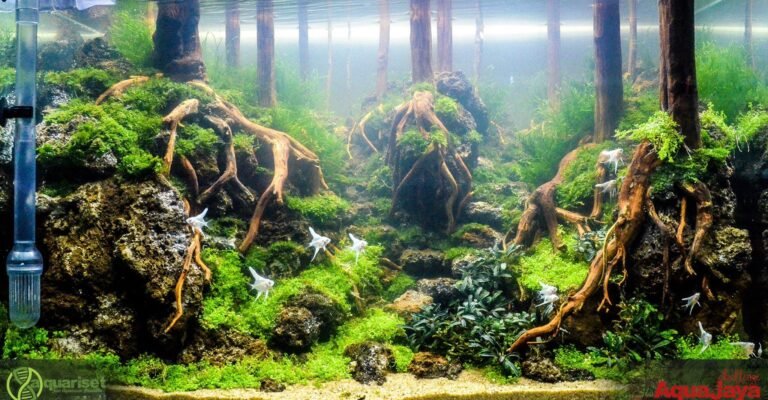
I still remember the day I set up my first planted aquarium back in 2005. It was a small 2-foot tank, a bag of red soil from a local nursery, and a bunch of Hygrophila I picked up from a roadside shop in Hyderabad. It was messy, imperfect, and absolutely magical. Twenty years later I have set up over a hundred planted tanks for myself and hobbyists across India, and every single time that first green sprout pushes through the substrate, it gives me the same feeling it did on day one.
If you have been scrolling through aquascape reels and wondering how people grow entire underwater forests in a glass box, this guide is for you. I am going to walk you through everything you need to know to set up your very first planted aquarium without losing your mind or your money.
What Exactly is a Planted Aquarium
A planted aquarium is a fish tank where live aquatic plants are grown alongside fish or even entirely on their own. Unlike a regular fish tank where plastic decorations and fake corals do the job, a planted aquarium uses real plants to create a living, breathing ecosystem. These plants consume carbon dioxide, produce oxygen, absorb fish waste, and make the water chemistry far more stable over time.
Think of it as growing a garden, except the garden is underwater and the soil stays wet forever. The hobby has exploded in India over the last decade and you will find passionate communities from Mumbai to Bengaluru trading plants, swapping tips, and obsessing over the perfect green carpet.
Choosing the Right Tank Size
The single biggest mistake beginners make is going too small. A tiny 10 litre tank looks cute in the shop but becomes a nightmare to maintain once you add plants, fish, and fertilisers. Water parameters crash quickly in small volumes and algae takes over before you even know what happened.
For a genuine beginner I always recommend starting with a 2 foot tank which holds around 60 to 70 litres of water. This size gives you enough room to experiment with aquascape layouts, keeps the water stable for longer between maintenance sessions, and is still affordable to set up. If you have the budget and the space, a 3 foot tank around 120 litres is even better because it opens up more design possibilities and is far more forgiving when you make the inevitable beginner mistakes.
For absolute beginners a 60 litre 2 foot tank is the sweet spot. Go larger if your budget allows. Nano tanks under 30 litres are best left for experienced hobbyists who understand the extra care they demand.
Substrate is the Foundation of Your Planted Aquarium
Your plants need something to root into that actually feeds them. Regular aquarium gravel does nothing for plant nutrition. A proper planted aquarium substrate should be rich in nutrients, have a slightly acidic pH, and retain the right amount of moisture at the root zone.
In India, popular choices include ADA Amazonia, Tropica Aquarium Soil, and Fluval Stratum. All three work beautifully for most beginner plants. If you are on a tighter budget, a layer of red laterite topped with fine river sand gives decent results for undemanding plants. The substrate layer should be at least 5 to 7 centimetres deep at the back to allow proper root development and create a sense of depth in your layout.
Best Aquarium Plants for Absolute Beginners
Not every aquatic plant is easy to grow. Some need pressurised CO2, intense lighting, and precise fertiliser dosing to even survive. As a beginner you want plants that are tough, forgiving, and grow even when you make mistakes.
Java Fern is one of the most beginner friendly plants in the entire hobby. It grows attached to driftwood or rocks, needs no CO2, and thrives under basic lighting. You simply tie it to a piece of wood with a thread and leave it alone.
Anubias Nana is extremely slow-growing and nearly indestructible. Attach it to wood or stone and it will thrive in low to medium light for years without asking for anything special from you.
Cryptocoryne Wendtii is a classic midground rosette plant available in green, brown, and red variants. It roots well in soil substrate and adapts beautifully to most water conditions found in Indian households.
Hygrophila Polysperma is a fast-growing stem plant that is almost impossible to kill. It is great for cycling a new tank because it absorbs excess nutrients before algae can use them.
Amazon Sword is a large background plant with broad leaves that adds a dramatic, lush look to any planted aquarium. It grows well in nutrient rich substrate and does not demand CO2 to look stunning.
Hornwort can be left floating or rooted as a background plant. It grows incredibly fast and is excellent at absorbing ammonia and nitrates, making it perfect for new tanks that are still cycling.
Dwarf Sagittaria is a grass like foreground plant that spreads through runners and creates a beautiful meadow effect. It does not demand CO2 to spread nicely and is widely available across India.
Rotala Indica is a stunning pink red stem plant widely available in Indian aquarium shops. It grows without CO2 but colours up dramatically better with supplemental injection and good lighting.
CO2 Tank vs Non CO2 Planted Aquarium
This is the question I get asked the most, and the honest answer is that both approaches work brilliantly if you match your plant selection to your setup.
Carbon dioxide is the primary carbon source that aquatic plants use during photosynthesis. In a regular room, the CO2 that dissolves naturally into your tank water is usually not enough to support fast growing or high-light demanding plants. When plants do not get enough CO2 they stall, melt, or get taken over by algae which is far better at using whatever little carbon is available.
A CO2 injected planted aquarium supports all plant types including demanding carpeting plants like Hemianthus Cuba and Glossostigma. Growth is faster, colours are more vivid, and you can push lighting intensity much higher. The setup requires a CO2 cylinder, dual-stage regulator, bubble counter, and ceramic diffuser. In India the starting cost for a decent CO2 setup sits around 3,000 to 8,000 rupees depending on the brand and cylinder size.
A non CO2 planted aquarium is simpler, cheaper, and honestly a lot more peaceful to maintain. You stick to low to medium lighting and choose plants that are comfortable in natural CO2 levels. Growth is slower but the tank stays stable for longer periods and there is much less that can go wrong. For your first planted aquarium, starting without CO2 injection is genuinely the smarter move. Master the basics of plant health, water changes, and fertiliser dosing first.
One very important thing if you do go the CO2 route. Always run an air stone or surface agitation at night when the lights are off. Plants stop photosynthesising in the dark and CO2 can build up to dangerous levels for fish if there is no aeration during the night period.
Lighting for Your Planted Aquarium
Light is food for your plants and without the right spectrum and intensity even the toughest plants will eventually struggle. For a non CO2 tank, a simple LED rated at around 20 to 30 lumens per litre is more than adequate for most beginner plants. In India, brands like Odyssea, Sobo, and Chihiros are popular in the hobby community and available at most aquarium shops.
For a CO2 injected tank you will need more intensity, around 50 lumens per litre or more, to drive the faster growth rates the CO2 supports.
Light duration matters just as much as intensity. Run your lights for 8 hours a day using a simple timer. Going beyond 10 hours without matching CO2 and nutrients is a guaranteed invitation for algae to take over your beautiful planted aquarium. Eight hours on, sixteen hours off. Set the timer and do not fiddle with it.
Essential Medicines and Treatments for a Planted Aquarium
Even the most pristine planted aquarium will occasionally face disease outbreaks, algae problems, or nutrient deficiencies. Keeping the right products on hand saves you from losing plants and fish when things go wrong.
Seachem Prime is a dechlorinator and ammonia detoxifier that you must use with every single water change. Tap water in Indian cities contains chlorine and chloramine that will kill your beneficial bacteria and stress your fish. A small dose of Prime during every water change protects everything in the tank.
Seachem Stability is a beneficial bacteria supplement you use when setting up a new tank to speed up the nitrogen cycle. It populates your filter media with the bacteria needed to convert toxic ammonia into harmless nitrate.
Seachem Flourish is a comprehensive liquid plant fertiliser you dose once or twice a week to provide micro and macro nutrients to your plants. It is gentle enough for shrimp and invertebrates.
Seachem Excel is a liquid carbon supplement that you dose daily in non CO2 tanks as a partial carbon replacement. It is not as effective as pressurised CO2 but it gives your plants a meaningful boost and also helps control certain types of algae.
API Melafix is an antibacterial treatment for fish. Use it when fish show signs of bacterial infection, fin rot, or open wounds. It is plant-safe and generally gentle enough for most community tanks.
API Pimafix handles fungal infections and is used for white cottony growths on fish bodies or fins. It works well alongside Melafix for combined bacterial and fungal outbreaks.
Seachem ParaGuard is your go to for parasite treatment. When fish scratch against surfaces, show white spots, or have irregular swimming, ParaGuard treats the issue without using harsh chemicals that crash your biological filter.
Easy Carbo or any glutaraldehyde based liquid carbon is incredibly useful for spot dosing directly onto stubborn algae patches on leaves or hardscape. Use a syringe to apply it precisely on the algae with the filter turned off for a few minutes.
Tropica Specialised Fertiliser provides macro nutrients like nitrogen, phosphorus, and potassium in heavily planted tanks that are running low on these elements. You will notice yellowing leaves, stunted growth, or poor colouration as signs of deficiency.
Seachem Purigen is a water polishing resin that goes inside your filter to keep water crystal clear and remove dissolved organics before they cause problems. In planted tanks with a lot of driftwood it makes a dramatic difference to water clarity.
One important thing to always remember. Most medicines meant for fish will harm or kill invertebrates like shrimp and snails. Always read the label before dosing a planted aquarium that houses shrimp colonies. Remove shrimp to a separate container if you need to treat for parasites or bacterial infections.
Maintaining Your Planted Aquarium Week to Week
Setting up is the fun part. Consistency in maintenance is what keeps a planted aquarium thriving for years. Every week, do a 30 to 40 percent water change using dechlorinated water at the same temperature as the tank. Trim plants that are reaching the surface or shading lower growing plants. Remove dead leaves before they decay and spike ammonia.
Dose your liquid fertilisers twice a week, clean the filter every month without washing the media in tap water, and keep an eye on the glass for algae. A small magnetic scraper used every week takes only 2 minutes and keeps the front glass spotless. It is these small weekly habits, not dramatic interventions, that make a planted aquarium look effortless and beautiful month after month.
Here are 5 FAQs optimized for your planted aquarium blog post:
FAQ
Q. How long does it take to set up a planted aquarium for the first time?
The actual setup process of placing substrate, hardscape, water, and plants takes around 2 to 4 hours depending on the size of your tank. But the real waiting game begins after that. A new planted aquarium needs 4 to 6 weeks to complete the nitrogen cycle before it becomes a stable environment for fish. During this period your beneficial bacteria colony builds up in the filter and substrate. You can speed this up using Seachem Stability but patience is truly the most important ingredient in a new planted aquarium.
Q. Why are my aquarium plants turning yellow and melting after I put them in the tank?
This is called transplant shock or crypt melt and it is completely normal especially with Cryptocoryne plants. When plants are moved from one water condition to another they shed their old leaves and grow new ones suited to your tank parameters. Do not pull the plant out thinking it is dead. Leave the roots in the substrate, keep up with your fertiliser doses and water changes, and within 2 to 3 weeks you will see fresh healthy growth emerging from the same roots.
FAQ
Q. Do I need a filter in a planted aquarium?
Yes, a filter is essential even in a heavily planted aquarium. While plants do absorb some ammonia and nitrates, they cannot process waste fast enough on their own especially when fish are present. A good sponge filter or canister filter keeps the water circulating, maintains oxygen levels, and houses the beneficial bacteria your tank depends on. In a lightly planted shrimp-only nano tank you can sometimes get away with just a sponge filter and frequent water changes, but for any community fish tank a proper filter is non negotiable.
Q. What fish are best for a planted aquarium?
Small peaceful fish work best because they do not uproot plants or disturb the substrate. Neon Tetras, Ember Tetras, Rummy Nose Tetras, Celestial Pearl Danios, and Otocinclus catfish are all excellent choices. Otocinclus in particular are beloved in the planted tank hobby because they graze on algae without harming plants. Avoid large cichlids, Goldfish, and Oscars as they will dig up your entire planted aquarium within days and make your hard work disappear overnight.
Q. How do I get rid of algae in my planted aquarium?
Algae is almost always a symptom of an imbalance rather than a problem in itself. Too much light with too few nutrients causes algae. Too little CO2 with high light causes algae. Skipping water changes causes algae. The fix is to first reduce your light duration to 6 hours temporarily, do two consecutive water changes on back to back days, and introduce fast growing plants like Hornwort or Hygrophila to out compete the algae for nutrients. Nerite snails and Otocinclus catfish are outstanding natural algae cleaners that every planted aquarium should have from day one.


