 Dog Grooming Products
Filter by category
Showing all 4 results
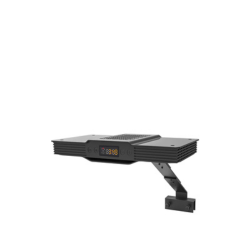
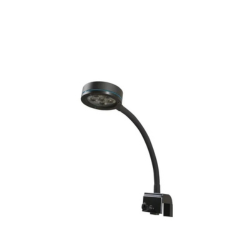
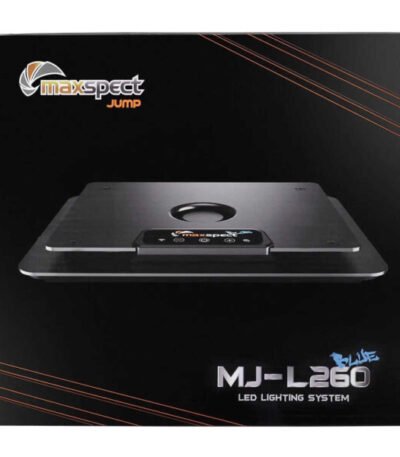
SFlora Q60 Aquarium Light | Ocean Blue
Last updated: June 2026
Marine aquarium lights are the single most important piece of equipment in any reef tank. Corals are living animals. They need very specific wavelengths of light and very specific intensities to survive, grow, and show their best colours. Without the right marine aquarium lights, corals bleach, fade, and eventually die. At Ocean Paws, we carry a handpicked range of reef LED lights suited to Indian reef keepers across Hyderabad, Bangalore, Mumbai, Chennai, Pune, and Delhi.
Why Marine Lighting is Different from Freshwater Lighting
A freshwater planted tank needs light for aquatic plants. A reef tank needs light for corals. Corals contain symbiotic microscopic algae called zooxanthellae living inside their tissue. These algae perform photosynthesis and provide up to 90 percent of the coral energy needs. When the light is wrong, the coral expels its zooxanthellae. This is coral bleaching. A bleached coral is a dying coral.
Understanding PAR and PPFD for Your Reef Tank
PAR stands for Photosynthetically Active Radiation. It measures the range of light wavelengths that can drive photosynthesis. PPFD stands for Photosynthetic Photon Flux Density. It tells you how many usable photons of light actually reach your coral every second. Knowing your PPFD target helps you position your lights correctly and choose the right wattage for your setup.
| Coral Type | Examples | PPFD Range | Difficulty |
|---|---|---|---|
| Soft Corals | Mushrooms, leathers, zoanthids | 25–75 | Beginner |
| LPS Corals | Hammer, frogspawn, brain corals | 50–150 | Intermediate |
| SPS Corals | Acropora, Montipora, Pocillopora | 200–400 | Advanced |
The Right Light Spectrum for Marine Aquarium Lights
Spectrum matters as much as intensity in a reef tank. Ocean water filters out red and orange light very rapidly. Violet and near UV from 395nm to 420nm triggers fluorescent proteins in corals. Blue from 430nm to 470nm is the primary photosynthetic driver for zooxanthellae. White daylight from 6500K to 10000K adds depth and clarity. The best marine aquarium lights combine violet, deep blue, blue, and white channels.
Matching Your Light to Your Coral Type
Soft coral tanks are the easiest to light. Mushrooms, leathers, and zoanthids do well at low to moderate light levels. LPS coral tanks need stronger blue spectrum output and consistent PAR in the 75 to 150 PPFD range. SPS dominant tanks are the most demanding and need consistently high PAR, strong UV and violet output, and a very stable photoperiod every single day.
Kelvin Color Temperature Guide for Reef Tanks
At 10000K the light appears white with a gentle blue tint. At 14000K the light has a clean blue white tone and is the sweet spot for most mixed reef aquariums. At 20000K the light appears deeply blue and is favoured by SPS keepers. Most modern LED marine aquarium lights let you adjust the Kelvin tone through app control or manual channel dimming.
LED vs T5 vs Metal Halide for Indian Reef Keepers
India tropical climate makes heat output a critical factor. In cities like Hyderabad, Chennai, and Pune where summer temperatures hit 40 degrees Celsius, any light that adds heat to your tank forces you to run a chiller.
| Technology | Heat Output | Power Use | Lifespan | App Control | India Suitability |
|---|---|---|---|---|---|
| LED | Low | Very efficient | 50,000+ hours | Yes | Excellent |
| T5 Fluorescent | Medium | Moderate | 12–18 months | No | Good |
| Metal Halide | Very high | 400W–1000W | 6–12 months | No | Poor (needs a chiller) |
LED marine aquarium lights are now the clear choice for Indian reef keepers. They run cool, consume a fraction of the electricity, and allow programmable control from your smartphone.
The Ideal Lighting Schedule for a Reef Tank
Most healthy reef tanks run lights for a total of 9 to 12 hours daily. Run blue and violet channels at low intensity for 1 hour as a sunrise ramp up. Then bring the full spectrum to peak intensity for 8 hours during the day. Then ramp down to blue only for 1 hour as sunset. Then switch everything off for the night period.
Acclimating Your Corals to New Marine Aquarium Lights
Never run new lights at full power immediately after installation. Corals need 2 to 4 weeks to adjust to new light levels. Start new lights at 30 to 40 percent intensity in the first week. Increase by about 10 percent each week until you reach your target intensity. Always place a new coral at the bottom of the tank first and move it up gradually over two to three weeks.
Wattage Guide by Tank Size
| Tank Size | Volume | Recommended Wattage | Best Suited For |
|---|---|---|---|
| Nano | Up to 60 litres | 15–30W | Soft corals and LPS |
| Medium | 60–200 litres | 30–75W | Mixed reef with LPS and SPS |
| Large | 200 litres and above | 75W+ or multiple fixtures | SPS-dominant and large mixed reef |
Shop Marine Aquarium Lights at Ocean Paws
Ocean Paws is Hyderabad trusted source for reef keeping equipment. Every marine aquarium light in this category is handpicked for PAR output, spectrum quality, build reliability, and value for Indian reef keepers. We ship fast to Hyderabad, Bangalore, Mumbai, Chennai, Pune, Delhi, Kolkata, and across India.
If you are setting up your tank from scratch, read our complete guide on how to set up a marine aquarium before choosing your light. Pairing your lighting with the right protein skimmer and marine salt gives your reef the best possible foundation from day one.
Frequently Asked Questions About Marine Aquarium Lights
What is the difference between marine aquarium lights and freshwater lights
Marine aquarium lights output high ratios of blue and violet wavelengths that coral zooxanthellae need for photosynthesis. Freshwater lights carry more green and red in their spectrum to support plant growth.
How many hours a day should I run my marine aquarium lights
Most reef tanks do best with a 9 to 12 hour photoperiod each day. A total of 10 hours is a reliable starting point for mixed reef tanks.
What PAR level do I need for SPS corals
SPS corals like Acropora and Pocillopora need 200 to 400 PPFD at the coral surface. Always check PAR at the actual depth of your coral, not at the water surface.
Can I use regular LED lights for a marine aquarium
No. Regular LED lights do not carry the blue and violet spectrum that coral zooxanthellae need. You need lights specifically designed for reef or marine aquarium use.
What Kelvin rating is best for a reef tank
A Kelvin range of 10000K to 20000K is standard for reef aquariums. Most hobbyists find 12000K to 14000K gives the best balance of coral growth and visual appearance.
How do I safely acclimate corals to new lights
Start your new lights at 30 to 40 percent intensity for the first week. Increase by about 10 percent each week over 3 to 4 weeks. Place new corals at the bottom of the tank first.
Written by Pavan | Marine Aquarium Hobbyist with over 20 years of experience. Co-founder of Ocean Paws, Hyderabad.


