 Dog Grooming Products
Filter by category
Showing all 7 results
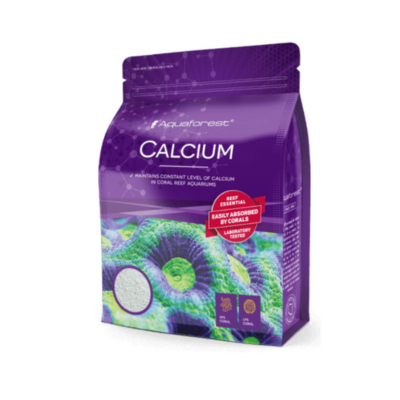
Aquaforest Calcium
₹1,050.00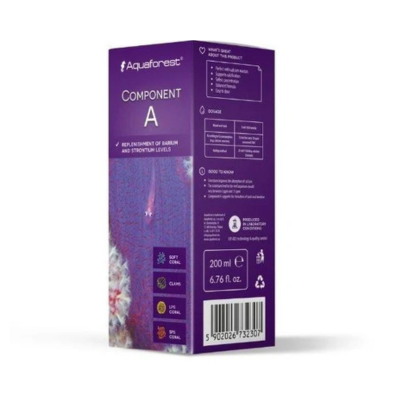
Aquaforest Component A
₹715.00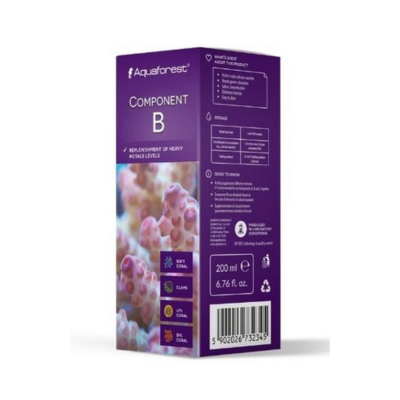
Aquaforest Component B
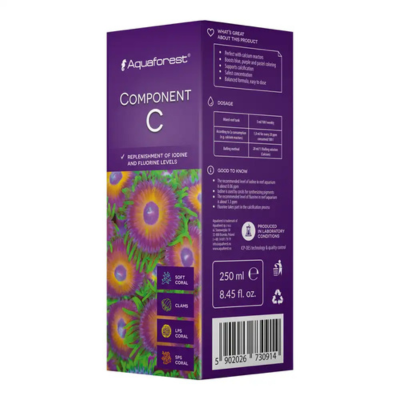
Aquaforest Component C
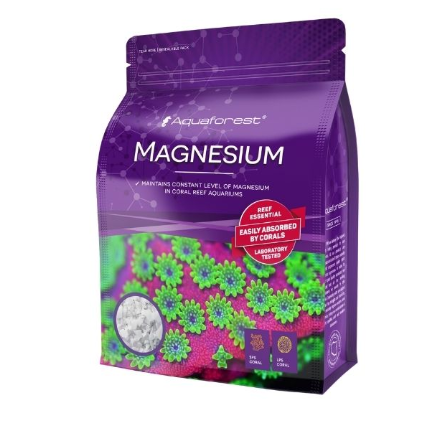
Aquaforest Magnesium
₹1,050.00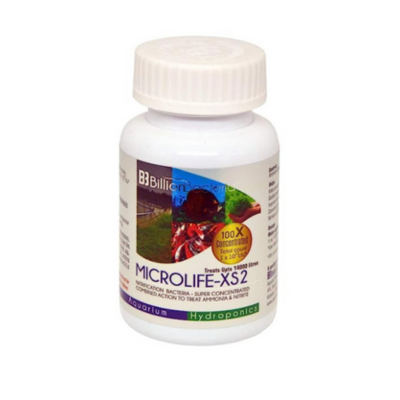
Aquatic Remedies Micro Life XS2
₹450.00
Aquatic Remedies Stress Heal
₹100.00 – ₹200.00Price range: ₹100.00 through ₹200.00Marine water conditioner is one of the most essential purchases you will ever make for your reef aquarium. Every marine tank in India, whether it is a small nano reef or a large display system, depends on a consistent supply of the right conditioners and supplements to stay stable, healthy, and thriving. Moreover, without proper water conditioning, even the most carefully set up reef tank will face parameter crashes, coral stress, and fish health problems over time.
At Ocean Paws, we stock a carefully curated range of marine water conditioner products for every stage of your reef keeping journey. Whether you are setting up a brand new reef tank or maintaining a mature system, you will find exactly what your tank needs right here.
Why Your Marine Tank Needs a Water Conditioner
A marine aquarium is a closed system. Unlike the ocean, it cannot naturally replenish the minerals, buffers, and biological compounds that your fish, corals, and invertebrates consume every single day. Therefore, every reef keeper must actively maintain water chemistry through regular dosing and conditioning.
Furthermore, tap water in most Indian cities contains chlorine, chloramine, and heavy metals. Municipal water treatment facilities add these substances to make water safe for drinking. However, they are highly toxic to marine fish, corals, and the beneficial bacteria that keep your tank nitrogen cycle working correctly. A quality marine water conditioner neutralises these harmful substances instantly before any water enters your tank.
Additionally, as corals grow, they draw calcium, magnesium, and alkalinity directly from the water column to build their skeletons. A reef tank without regular supplementation will see these parameters drop steadily over time. Falling parameters directly cause coral bleaching, slow growth, retracted polyps, and eventually coral death. So dosing the right marine water conditioner at the right time is not optional. It is a fundamental part of reef keeping.
Types of Marine Water Conditioner for Your Reef Tank
Understanding the different types of marine water conditioner helps you build exactly the right dosing routine for your specific tank.
Dechlorinators and Water Preparation Solutions
Every water change in a marine tank starts with dechlorination. These marine water conditioner products neutralise chlorine and chloramine from tap water before it enters your aquarium. They also detoxify heavy metals and temporarily neutralise ammonia spikes during water changes and new tank setup. Therefore, a dechlorinator should be the very first product you buy for any marine aquarium. It protects your fish and beneficial bacteria from tap water toxins every single time you add fresh water to your system.
Calcium Supplements
Calcium is the primary building block of coral skeletons and the shells of molluscs and crustaceans. In a reef tank with living corals, calcium is consumed constantly as corals grow. The ideal calcium level in a marine aquarium sits between 400mg and 450mg per litre. When calcium drops below this range, coral growth slows noticeably and polyp extension decreases. Therefore, regular dosing with a quality calcium marine water conditioner keeps your corals growing steadily and your tank parameters stable week after week.
KH and Alkalinity Buffers
KH, also known as carbonate hardness or alkalinity, works directly alongside calcium in a reef tank. Corals use calcium and alkalinity together to build their calcium carbonate skeletons. The ideal alkalinity level for a reef tank sits between 8 and 12 dKH. Furthermore, alkalinity acts as a pH buffer, helping to maintain the stable pH that all marine life requires. When alkalinity drops, pH swings become more extreme and corals suffer immediately. An alkalinity buffer marine water conditioner prevents these swings and keeps your carbonate chemistry firmly in balance.
Magnesium Supplements
Magnesium is the third of the three major parameters that reef keepers track alongside calcium and alkalinity. Magnesium plays a crucial role in reef tanks because it prevents calcium and alkalinity from precipitating out of the water column before corals can absorb them. The ideal magnesium level in a reef tank sits between 1250mg and 1350mg per litre. Moreover, when magnesium levels are low, it becomes very difficult to maintain stable calcium and alkalinity even when you dose them regularly. Therefore, keeping magnesium in the correct range is essential for the effectiveness of every other marine water conditioner you use.
Two Part Dosing Systems
A two part dosing system is one of the most popular marine water conditioner approaches for small to medium reef tanks. It consists of two separate solutions. Part A typically contains calcium and Part B contains alkalinity buffer. These two solutions are dosed separately, at least five to ten minutes apart, to prevent them from reacting with each other in the tank. Consequently, two part systems give reef keepers precise control over calcium and alkalinity independently, allowing them to bring both parameters into the correct range over time.
All in One Dosing Solutions
For beginner reef keepers, all in one marine water conditioner products simplify the dosing process enormously. These single solutions maintain calcium, alkalinity, magnesium, and trace elements in one daily dose. Therefore, instead of managing three or four separate products, a beginner can dose a single all in one solution and keep their reef tank stable with minimal effort. All in one solutions are ideal for tanks with low to moderate coral populations where precision dosing is less critical and convenience matters most.
Biological Additives and Bacterial Supplements
Biological additives are a category of marine water conditioner that introduces or replenishes beneficial bacteria colonies inside your tank. These bacteria are essential for completing the nitrogen cycle and breaking down fish waste into less harmful compounds. Moreover, adding biological additives after a water change, medication treatment, or tank crash helps restore the bacterial population quickly. This stabilises water quality much faster than waiting for natural recolonisation. Many reef keepers also use biological additives regularly to support overall tank health and keep nitrate levels naturally low over time.
Phosphate and Nitrate Removers
High phosphate and nitrate levels are among the most common causes of algae outbreaks and coral stress in Indian reef tanks. Phosphate levels above 0.05mg per litre in a reef tank actively inhibit coral calcification. Nitrate levels above 5mg per litre cause stress in sensitive SPS corals. Phosphate and nitrate removing marine water conditioner products work by chemically or biologically binding these compounds and removing them from the water column. Additionally, these products complement your protein skimmer and biological filtration to keep nutrient levels within the range that healthy reef corals need.
Amino Acid and Coral Growth Supplements
Amino acid supplements are a specialised category of marine water conditioner designed to support coral health, colour, and growth beyond basic calcium and alkalinity supplementation. Corals absorb amino acids directly from the water column and use them to maintain tissue integrity, produce vibrant pigments, and fuel metabolic processes. Furthermore, amino acid dosing often produces visible improvements in coral polyp extension and colouration within one to two weeks of consistent use. These supplements are particularly popular among Indian hobbyists who keep LPS corals and zoanthids in their display tanks.
Key Water Parameters Every Marine Hobbyist Must Know
Before you choose a marine water conditioner product, you need to understand what parameters your tank should maintain. Testing your water regularly is the only way to know what your tank actually needs before you start dosing anything.
Salinity should sit between 1.024 and 1.026 specific gravity, or 32 to 35 parts per thousand. Calcium should stay between 400mg and 450mg per litre. Alkalinity should be between 8 and 12 dKH. Magnesium should be between 1250mg and 1350mg per litre. pH should remain between 8.1 and 8.3. Nitrate should be below 5mg per litre in a reef tank. Phosphate should stay below 0.05mg per litre for SPS corals and below 0.1mg per litre for soft coral and fish-only systems.
Always test your parameters before you dose, not just after. Testing before dosing tells you exactly how much your tank has consumed since your last dose and lets you calculate precisely how much marine water conditioner to add.
How to Use Marine Water Conditioner in Your Tank
Using a marine water conditioner correctly is just as important as choosing the right product. Many reef keepers choose excellent products but apply them incorrectly and get poor results.
Always add dechlorinator to freshwater before mixing salt. This ensures the water entering your tank is safe from the very beginning of every water change. Never add a newly mixed saltwater batch to your tank without checking the salinity and temperature first.
When dosing calcium and alkalinity supplements, always dose them separately. Adding calcium and alkalinity solutions together in the same spot in the tank causes them to react with each other and precipitate as calcium carbonate before your corals can absorb them. Dose calcium in the morning and alkalinity in the evening, or use an automatic dosing pump that delivers small amounts continuously throughout the day.
Furthermore, never make large parameter corrections in a single dose. If your calcium has dropped from 420mg to 350mg, bring it back in stages over three to four days rather than all at once. Sudden large parameter changes stress corals and fish far more than a low parameter level does.
Beginner Dosing Guide for Marine Aquariums
If you are new to reef keeping, the world of marine water conditioner dosing can feel overwhelming at first. However, starting simply and building up gradually is always the best approach for long-term success.
For a brand new tank, start with just a dechlorinator for water changes and a biological additive to help establish your nitrogen cycle. Our complete aquarium nitrogen cycle guide explains how tank cycling works step by step before you add any corals or fish.
Once your tank is cycled and you add your first corals, begin testing calcium and alkalinity weekly. If both are stable and within the ideal range, you may not need to dose anything immediately. Only add supplements when your test results show parameters dropping below the target range.
Moreover, when you do begin dosing, start with a single two part solution or an all in one marine water conditioner. Master one product before adding more complexity to your routine. As your coral population grows and consumes more calcium and alkalinity, you can transition to more precise dosing methods at your own pace and confidence level.
How to Choose the Right Marine Water Conditioner
Choosing a marine water conditioner depends on three things. It depends on what type of tank you keep, what corals and fish you have, and what your current water parameters show on your test results.
For a fish-only marine tank with no corals, a quality dechlorinator and occasional biological additive are usually sufficient to maintain excellent water quality. Similarly, for a soft coral and LPS dominated reef, a good all in one solution paired with individual calcium and alkalinity supplements will keep your tank thriving without adding unnecessary complexity.
For an SPS dominated reef tank with high coral density, a precisely managed two part or three part dosing system gives you the control needed to maintain the tight parameter ranges that SPS corals demand. Additionally, advanced hobbyists with large reef systems often supplement with trace elements, amino acids, and iodide to replicate the full mineral profile of natural seawater.
Working alongside your marine water conditioner, the right marine filter media removes specific compounds from the water column and gives your dosing routine a clean foundation. Furthermore, quality marine aquarium salt already contains many essential trace elements and minerals, which means your supplementation needs are lower when you use a high-quality salt mix for water changes.
Frequently Asked Questions About Marine Water Conditioner
Do I need a marine water conditioner even if I use RODI water?
Yes, even if you use reverse osmosis deionised water, you still need marine water conditioners for calcium, alkalinity, magnesium, and trace element supplementation. RODI water removes chlorine and heavy metals but it also strips out the minerals that your corals and invertebrates need to survive. Therefore, RODI water users still need to dose supplements to maintain reef parameters.
How often should I dose marine water conditioner?
It depends on the type of conditioner and the consumption rate of your specific tank. Dechlorinators are used with every water change. Calcium and alkalinity are typically dosed daily or every other day in an established reef tank. Bacterial supplements are dosed weekly or after any tank disturbance. Test your parameters regularly to determine exactly how much your tank consumes between doses.
Can I dose calcium and alkalinity at the same time?
No. Calcium and alkalinity solutions should never be dosed directly together. Adding them to the same spot at the same time causes them to react and precipitate as calcium carbonate before your corals can absorb either element. Dose them separately with at least a 5 to 10 minute gap between each dose, or use a dosing pump that spaces them automatically throughout the day.
What happens if my alkalinity is too high?
Alkalinity above 12 dKH can burn coral tissue and cause rapid tissue necrosis in sensitive SPS corals. It also interferes with calcium uptake at the cellular level. If your alkalinity is too high, stop dosing alkalinity supplements and allow natural coral consumption to bring the level down gradually. Never attempt to lower parameters too quickly as sudden changes are more stressful than elevated levels.
Is marine water conditioner safe for all saltwater fish and invertebrates?
Quality marine-grade water conditioners are completely safe for all saltwater fish, corals, and invertebrates when used according to the product instructions. Always follow the recommended dosing guidelines and never exceed the stated dose. Some conditioners affect invertebrates at high doses, so always read the product label carefully before adding anything to a tank housing sensitive animals such as shrimps and starfish.
How do I know which marine water conditioner my tank needs?
The only reliable way to know what your tank needs is to test your water parameters regularly. A complete marine test kit covering salinity, pH, calcium, alkalinity, magnesium, nitrate, and phosphate gives you the information you need to choose the right supplements and dose them confidently based on actual data rather than guesswork.
Can I use products from different brands together?
Generally yes. Products from different brands can be used together as long as they serve different functions and are dosed separately. However, never use two different calcium products or two different alkalinity products simultaneously without understanding their concentrations. When in doubt, stick to one complete dosing system until you are fully comfortable with reef water chemistry.
How quickly will I see results after dosing marine water conditioner?
Dechlorinators work instantly upon dosing. Calcium and alkalinity supplements begin raising parameters within hours and reach equilibrium within your tank over 24 hours. Biological additives typically take one to two weeks to establish measurable improvements in water quality. Amino acid supplements often show visible coral colouration improvements within one to two weeks of consistent daily dosing.
Why Buy Marine Water Conditioner from Ocean Paws
At Ocean Paws, we believe that every reef tank in India deserves the right support at every stage. Choosing the wrong marine water conditioner or dosing incorrectly is one of the fastest ways to lose the corals and fish you have worked hard to establish. Therefore, every product in our marine water conditioner range is carefully evaluated before it goes on our shelves.
Our founders Pavan and Koushik bring direct, hands on experience keeping saltwater tanks, planted aquariums, and freshwater systems to every product decision we make. When you shop at Ocean Paws, you buy with the confidence that someone who has faced the same dosing challenges you face has already done the research for you.
Moreover, our team is always available to guide you through building the right dosing routine for your specific tank. Whether you are setting up your first reef or troubleshooting a parameter problem in a mature system, we are here with honest, practical advice.
Explore our complete marine aquarium range alongside your water conditioner selection. From marine aquarium salt for water changes to marine sand for your substrate and marine aquarium lights for coral health, Ocean Paws is your trusted one-stop destination for building and maintaining a thriving marine aquarium anywhere in India.
Written by Pavan, co-founder of Ocean Paws and marine aquarium specialist with 10 years of hands on saltwater experience. Last updated June 2026.


