 Dog Grooming Products
Filter by category
Showing the single result
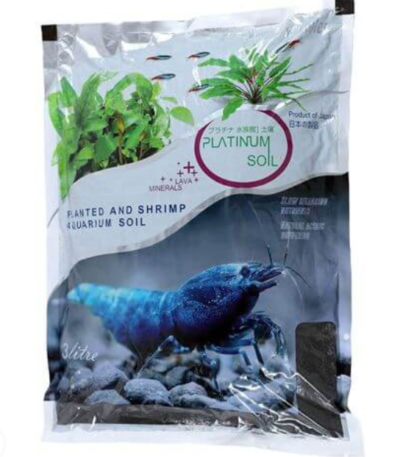
Platinum Soil by Aquatic Remedies | Planted & Shrimp Aqua Soil
₹540.00 – ₹2,200.00Price range: ₹540.00 through ₹2,200.00Aquarium Soil
Every lush, healthy planted tank you have ever admired in a photo or at a friend’s house started with one quiet decision made before a single plant went in, the choice of aquarium soil. It sits at the bottom of the tank, mostly hidden from view, yet it shapes almost everything that happens above it, from how strongly your plants root to how stable your water stays week after week. At Ocean Paws we help hobbyists across India pick the right aquarium soil for their tank, so the foundation of their aquascape is solid from day one.
What Aquarium Soil Actually Does For A Planted Tank
Good aquarium soil does far more than simply hold plants in place. It acts as a slow, steady source of nutrients that roots can draw on for months, supports the helpful bacteria that keep your water clean, and often gives the water a gentle, stable chemistry that many popular aquatic plants genuinely prefer. Think of it as the engine room of your tank. You may not see it working, but everything growing above it depends on what is happening underneath.
How Aquarium Soil Is Different From Plain Gravel Or Sand
Plain gravel and sand are mostly inert. They look fine and they hold plants upright, but they do not feed your plants or influence your water in any meaningful way. Aquarium soil, on the other hand, is built specifically for planted tanks. It is usually porous, which lets roots spread through it easily and allows beneficial bacteria to colonise its surface. Many types also release a gentle supply of nutrients over time, giving your plants a steady start without you having to dose heavily from day one.
This is why so many serious aquascapers choose proper aquarium soil over plain gravel, even though it costs a little more upfront. The difference shows up clearly in how quickly plants settle in and how rich their colour becomes within the first few weeks.
Types Of Aquarium Soil You Will Find At Ocean Paws
Nutrient rich base soils. These form the bottom layer in many planted tanks and are designed to feed roots steadily over a long period. They suit hobbyists who want their plants to establish quickly and grow strongly without constant fuss in the early months.
Inert and capping substrates. Some hobbyists prefer to layer a plain, neutral material over a nutrient rich base, both to keep the tank looking neat and to slow down how quickly nutrients reach the water column. This layered approach is especially popular among hobbyists who like to control dosing closely.
Ready to use complete substrates. For hobbyists who do not want to think about layering at all, single bag substrates that work as a complete bottom layer on their own are a simple, beginner friendly option. You simply add the substrate, rinse if needed, and start planting.
How To Choose The Right Aquarium Soil For Your Tank
Picking the right aquarium soil becomes much easier once you think through these points together.
- Tank size and depth. Larger and deeper tanks need a thicker layer of substrate, which means you will need a larger quantity than you might expect at first glance.
- Type of plants you plan to keep. Heavy root feeders such as swords and crypts benefit greatly from a nutrient rich base layer, while many stem and carpet plants do well even with lighter substrates as long as the water column is fed properly.
- Your experience level. Beginners often do best with a simple, single layer substrate that is forgiving and easy to work with, while experienced aquascapers may prefer a layered setup that gives them more control over long term nutrient release.
- Water parameters in your area. Some types of aquarium soil gently influence water chemistry, which can be a real benefit for certain plants and fish, but worth knowing about in advance so there are no surprises after setup.
How To Set Up Aquarium Soil The Right Way
Setting up aquarium soil correctly makes a noticeable difference to how smoothly your tank settles in. Start by checking whether your chosen substrate needs rinsing, since some types are meant to be used straight from the bag while others should be gently rinsed first to reduce cloudiness. Spread the layer evenly across the base of the tank, keeping it slightly deeper toward the back if you want a layered, natural looking slope.
If you are combining a nutrient rich base with a capping layer, add the base first, smooth it out, then carefully add the capping material on top without mixing the two. Once your substrate is in place, fill the tank slowly, perhaps pouring water onto a plate or a sheet of plastic placed on the substrate, so the flow does not disturb your carefully laid layers. Expect a little cloudiness in the first day or two. This is completely normal and almost always settles on its own.
Common Mistakes Hobbyists Make With Aquarium Soil
Over the years we have noticed a few patterns that come up again and again among hobbyists setting up their first planted tank.
- Adding too thin a layer, which leaves plants with very little to root into and forces frequent replanting.
- Pouring water in too quickly during setup, which stirs up the substrate and leaves the tank cloudy for days longer than necessary.
- Mixing different types of substrate together without understanding how each one behaves, which can lead to uneven nutrient release.
- Disturbing the substrate too often once plants are established, which damages roots and slows growth rather than helping it.
- Assuming that good aquarium soil alone will guarantee a thriving tank, when in reality it works best alongside suitable lighting and a steady fertiliser routine.
Caring For Your Aquarium Soil Over Time
Aquarium soil is not something you need to fuss over constantly, but a little attention keeps it performing well for years. Avoid heavy gravel vacuuming directly into the substrate layer, since this can pull out nutrients and disturb root systems unnecessarily. Light surface cleaning to remove debris is usually enough for most planted tanks. As your tank matures, keep an eye on how your plants are growing. Slower growth or duller colour after a long stretch can be a sign that it is time to refresh the nutrient supply, either through root feeding or, eventually, a partial substrate renewal.
Why Hobbyists Across India Choose Ocean Paws For Aquarium Soil
Ocean Paws was founded in Hyderabad by Pavan and Koushik, two hobbyists who wanted Indian aquascapers to have access to substrates that genuinely suit the tanks and water conditions found here, rather than whatever happened to be easiest to import. That same thinking guides our aquarium soil collection today. Every product we list is chosen with real planted tank setups in mind, from a first two foot tank to an ambitious aquascape.
If you are unsure how much aquarium soil you need or which type suits your plants, our team is happy to guide you based on genuine hands on experience rather than a sales script. We pack every order carefully and dispatch it quickly, so your substrate reaches you in perfect condition wherever you are in India. Explore our wider range of planted aquarium essentials, including planted aquarium lighting, planted aquarium fertilisers and planted aquarium accessories, and give your tank the strong foundation it deserves.
Frequently Asked Questions About Aquarium Soil
What is the real difference between aquarium soil and regular gravel?
Regular gravel is mostly decorative. It holds plants in place but does not feed them or influence your water in any useful way. Aquarium soil is built specifically for planted tanks. It is usually porous, supports root growth and beneficial bacteria, and in many cases releases a gentle, steady supply of nutrients that helps plants establish faster and grow stronger from the very start.
How thick should my layer of aquarium soil be?
For most planted tanks, a layer of around two to three inches works well, with a slightly deeper slope toward the back of the tank if you want a natural, layered look. Thin layers leave very little room for roots to spread, which often leads to weak plants and frequent replanting. It is always better to plan for a slightly thicker layer than to find yourself adding more later once the tank is already running.
Do I need to rinse aquarium soil before adding it to my tank?
It depends on the type you choose. Some substrates are designed to be used straight from the bag and rinsing them can actually wash away the fine particles that make them effective. Others benefit from a gentle rinse to reduce initial cloudiness. The safest approach is to check the guidance for your specific substrate before setup, since using the wrong method can affect both water clarity and how the substrate performs.
Can I mix aquarium soil with sand or gravel in the same tank?
Yes, many hobbyists do this deliberately, often using a nutrient rich soil as a base layer and a neutral sand or fine gravel as a cap on top for a tidier look. The key is to add them in separate layers rather than mixing them together, since blending different materials can lead to uneven nutrient release and a less stable substrate over time.
Why does my tank look cloudy after adding new aquarium soil?
This is extremely common and almost always temporary. Fine particles from the substrate stir into the water during setup, especially if water was poured in quickly. In most cases the cloudiness settles within a day or two on its own, particularly once your filter has had a chance to run for a while. Pouring water gently over a plate or a sheet placed on the substrate next time will help reduce this considerably.
How long does aquarium soil last before it needs replacing?
Most nutrient rich substrates remain effective for a year or more, though this varies depending on how heavily planted the tank is and how often you dose additional fertiliser. Rather than watching the calendar, watch your plants. Steadily slowing growth or duller colour after a long stable period is usually the clearest sign that it may be time to refresh the nutrient supply in your substrate.
Written by Pavan, co-founder of Ocean Paws and aquarium specialist with 20 years of hands-on fishkeeping experience.


