 Dog Grooming Products
Filter by category
Showing all 2 results
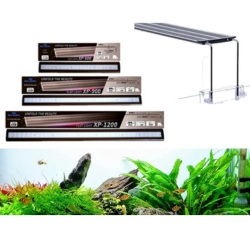
Neo Helios LED XP Lights – Ultra Slim Full Spectrum Aquarium Light
₹2,200.00 – ₹3,250.00Price range: ₹2,200.00 through ₹3,250.00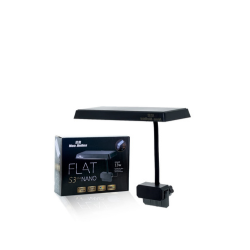
Neo Helios S3 LED Light (8W/13W)
₹700.00 – ₹800.00Price range: ₹700.00 through ₹800.00Planted Aquarium Lighting
If your aquatic plants look pale, leggy or simply refuse to grow no matter how much fertiliser or carbon dioxide you add, the real problem is usually sitting right above the water. Planted aquarium lighting is the single factor that decides whether a tank turns into a lush green underwater garden or stays a patch of struggling stems and algae covered glass. At Ocean Paws we help hobbyists across India choose the right planted aquarium lighting for their tank, their plants and their budget, so the guesswork ends and the growing begins.
Why Planted Aquarium Lighting Is Not The Same As A Regular Fish Tank Light
Many new hobbyists assume any bright light placed over a tank will help plants grow. In reality, plants and human eyes respond to light in very different ways. Our eyes are drawn to brightness, while plants depend on specific wavelengths to power photosynthesis, mainly in the red and blue regions of the visible spectrum. A decorative light may make fish look attractive while offering almost nothing in the wavelengths that plants actually use.
This is why planted aquarium lighting is built differently from the start. It is tuned to deliver a fuller spectrum along with enough intensity, often described through a measurement called Photosynthetically Active Radiation or PAR, so that leaves can convert light into the energy plants need to grow, branch and produce new shoots. Without this, even the best soil, root tabs and liquid fertilisers will only get you so far.
Understanding Kelvin, Spectrum And PAR In Simple Terms
You will often see planted aquarium lighting described using terms such as Kelvin, spectrum and PAR, and these can feel confusing at first. Kelvin simply describes the colour appearance of the light. Lower Kelvin values look warm and yellowish, while higher Kelvin values look cool and bluish white. For most planted tanks, a range between roughly 6500K and 8000K gives a pleasant natural look while still supporting healthy plant growth.
Spectrum refers to the mix of colours within that light. A well balanced planted aquarium light leans on red and blue wavelengths, since these drive photosynthesis most efficiently, while still including enough green and yellow tones so the tank looks natural to the eye rather than flat or artificial.
PAR measures how much of that light is actually usable by plants once it reaches a given point in the water column. This matters because light loses strength as it travels deeper. A fixture that looks powerful sitting on a shallow nano tank may struggle to deliver enough PAR to carpeting plants resting on the substrate of a taller tank. As a rough guide, low light plants do well with modest PAR near the substrate, medium light plants need a noticeably stronger reading, and demanding carpet and stem plants require the highest PAR levels along with consistent care.
Types Of Planted Aquarium Lighting You Can Choose From
There is no single perfect light for every tank, which is why Ocean Paws stocks a range of planted aquarium lighting options to suit different setups and budgets.
Full spectrum LED grow lights are the most popular choice today, and for good reason. They run cool, use very little electricity, last for years and are available in compact bars as well as larger units for bigger tanks. Many also come with adjustable brightness and built in timers, which makes maintaining a steady photoperiod effortless.
T5 fluorescent grow lights have supported planted tanks for decades and remain a favourite among hobbyists who run larger aquascapes. They spread light evenly across long tanks and produce a soft, natural glow that many aquascapers prefer for open top setups. The only thing to remember is that their output gradually weakens with age, so the tubes need replacing roughly every twelve to eighteen months even if they still appear to glow normally.
Clip on and nano lights are designed for smaller tanks, desktop setups and bowls. Despite their compact size, the better units in this category can still support easy carpeting plants and low light foreground species, making them ideal for students, apartment dwellers and anyone keeping a small planted tank on a desk or shelf.
How To Choose The Right Planted Aquarium Lighting For Your Tank
Picking the right planted aquarium lighting becomes far easier once you consider these four points together rather than focusing on just one.
- Tank size and depth. Longer and taller tanks need lights with stronger output or coverage so that PAR remains adequate at the substrate, not just near the surface.
- Plant requirements. Easy going species such as Java Fern, Anubias and various Cryptocoryne varieties grow happily under moderate lighting. Demanding plants such as Rotala types, red stem plants and carpeting species like Monte Carlo or Hemianthus callitrichoides need brighter, more consistent lighting to truly thrive.
- Whether you plan to use carbon dioxide. Tanks running carbon dioxide injection can support stronger lighting and faster growth, while low tech tanks usually do best with gentler lighting that keeps growth and algae in balance.
- Your daily routine. If you cannot commit to a strict, consistent schedule, choosing a fixture with a built in timer removes the guesswork and protects your tank from one of the most common causes of algae outbreaks, an inconsistent photoperiod.
How Many Hours Should Planted Aquarium Lighting Run Each Day
This is one of the questions we hear most often, and the answer is simpler than most people expect. Most planted tanks thrive with somewhere between eight and ten hours of light each day. Running a light for longer does not make plants grow faster. Instead, it usually feeds algae, since algae take advantage of any extra light that healthy plants are not using.
A simple plug in timer connected to your planted aquarium lighting is one of the smartest, most affordable upgrades you can make. Consistency in your lighting schedule matters just as much as the strength of the light itself, and a timer takes that responsibility off your shoulders completely.
Common Mistakes To Avoid With Planted Aquarium Lighting
Over the years, we have noticed a handful of mistakes that come up again and again among hobbyists who are still learning the ropes.
- Choosing a light based purely on how bright it looks rather than the spectrum and PAR it delivers.
- Running the light for far longer than needed in the hope that plants will grow faster, which usually leads to algae problems instead.
- Placing the fixture too high above the water, which weakens the light significantly by the time it reaches the substrate.
- Mixing demanding, high light plants with a basic fixture meant for easy species, then assuming the plants themselves are at fault.
- Forgetting to balance lighting with nutrients and, where applicable, carbon dioxide. Strong light without the nutrients to match is one of the fastest routes to an algae filled tank.
Caring For Your Planted Aquarium Lighting
A little routine care helps your planted aquarium lighting perform at its best for years. Wipe down the housing regularly to prevent dust and salt creep from blocking the output. Check that condensation is not building up around the unit, especially during humid months. If you use T5 tubes, mark a reminder to replace them on schedule, since fading output is often invisible to the eye yet very visible to your plants. For LED units, simply keeping the lenses clean and ensuring proper ventilation around the fixture will keep them performing reliably for a long time.
Why Hobbyists Across India Choose Ocean Paws For Planted Aquarium Lighting
Ocean Paws was founded in Hyderabad by Pavan and Koushik, two hobbyists who grew tired of guessing which products would actually work in Indian conditions. That same thinking shapes our planted aquarium lighting collection today. Every fixture we list is chosen with Indian tank sizes, Indian electricity costs and Indian climate conditions in mind, not simply picked off a global catalogue.
Whenever you have a question about which light suits your tank, our team is happy to guide you based on real, hands on experience rather than a sales script. We pack every order carefully and dispatch it quickly, so your planted aquarium lighting reaches you safely whether you live in a metro city or a smaller town. Browse our collection of planted aquarium essentials, including planted aquarium fertilisers, aquarium soil and planted aquarium accessories, and build the underwater garden you have been picturing.
Frequently Asked Questions About Planted Aquarium Lighting
Which planted aquarium lighting is best for a beginner in India?
For most beginners, a full spectrum LED light somewhere around 6500K is the safest starting point. It is affordable, energy efficient and gentle enough to grow easy plants such as Java Fern, Anubias, Cryptocorynes and Amazon Swords without much trouble. Look for a fixture that mentions full spectrum coverage and steady output, and try to avoid basic single colour LED strips, since they rarely carry the spectrum that plants genuinely need.
How long should I run my planted aquarium lighting every day?
Around eight to ten hours daily works well for the vast majority of planted tanks. Going beyond this rarely speeds up plant growth and tends to encourage algae instead. A simple timer helps you stay consistent without having to remember to switch the light on and off yourself.
Can I use an ordinary household LED bulb over my planted tank?
It is best avoided. A regular bulb may seem bright enough to your eyes, yet it usually lacks the red and blue wavelengths that plants depend on for photosynthesis. Over time this leads to weak, pale growth and gives algae the upper hand, since the plants are simply not receiving what they need to compete.
Do I need carbon dioxide injection alongside planted aquarium lighting?
Not always. If you choose easy, low light plants and keep your lighting at a moderate level, a low tech planted tank without carbon dioxide can still look wonderful. However, if you want to grow demanding species such as Rotala, carpeting plants or vivid red stem plants, pairing strong lighting with carbon dioxide and a steady fertiliser routine will give you noticeably better results. The golden rule is to keep light, nutrients and carbon dioxide in balance, since strong light on its own usually invites algae rather than growth.
What is the real difference between T5 and LED planted aquarium lighting?
Both can grow healthy plants beautifully, but they suit slightly different needs. T5 lights spread a soft, even glow across long tanks and remain a favourite for larger aquascapes, though their tubes need replacing every twelve to eighteen months as output fades. LED planted aquarium lighting uses less electricity, produces far less heat, lasts considerably longer and often includes handy features such as dimming and programmable timers. For most homes and offices in India, where electricity costs and indoor heat are real considerations, LED lighting tends to be the more practical long term choice.
How do I know if my planted aquarium lighting is strong enough for my tank?
Watch your plants rather than the specification sheet. Healthy plants under suitable lighting will produce new leaves regularly, hold good colour and grow toward the light steadily. If growth stalls, leaves stay pale or stems stretch thin while reaching upward, the light may be too weak for that particular species or too far from the substrate. On the other hand, if algae appears quickly while plants barely respond, the lighting may be running for too long or may be too strong for the current balance of nutrients and carbon dioxide in your tank.
Written by Pavan, co-founder of Ocean Paws and aquarium specialist with 20 years of hands-on fishkeeping experience.


