 Dog Grooming Products
Filter by category
Showing all 6 results
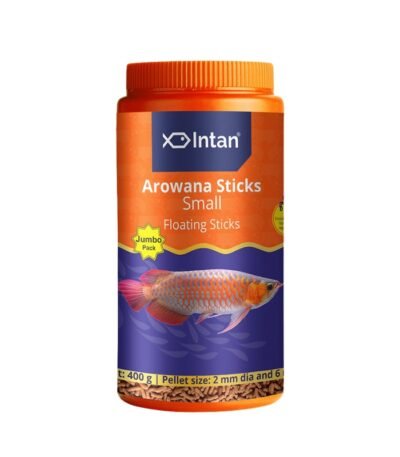
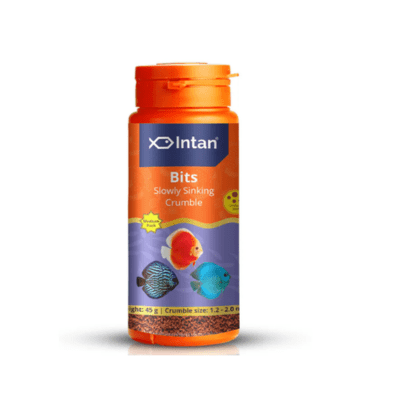
Intan Bits
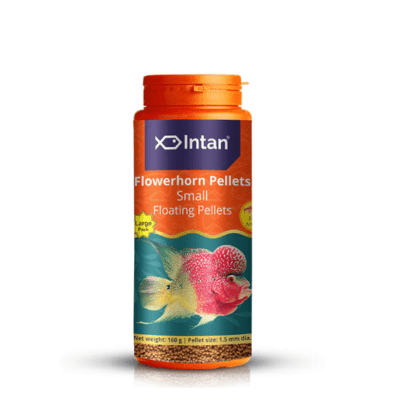
Intan Flower Horn Pellets
₹120.00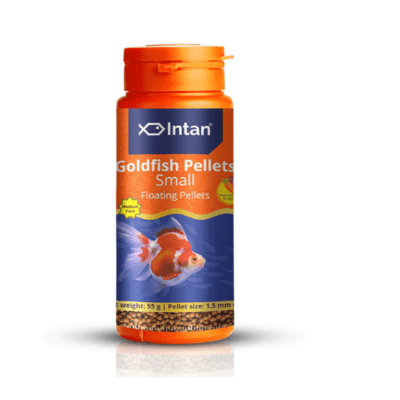
Intan Gold Fish Pellets
₹100.00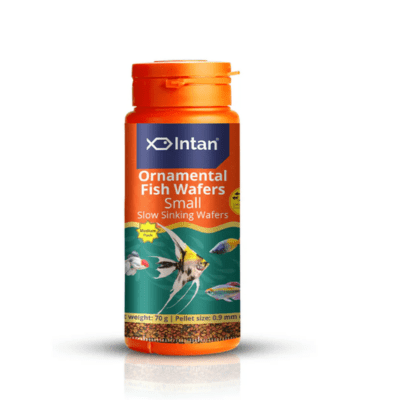
Intan Ornamental Fish Wafers
₹120.00 – ₹189.00Price range: ₹120.00 through ₹189.00
Fish Food
Walk into any pet shop in India and you will find shelves packed with fish food, often with very little to tell one option from another beyond the picture on the packet. Yet what you put into your tank every single day shapes your fish far more than almost anything else you do for them. Their colour, their energy, their immunity and even how clean your water stays all trace back to the fish food you choose. At Ocean Paws we help hobbyists across India pick fish food that genuinely supports their fish, not just fills the feeding ring for a few seconds each morning.
Why The Right Fish Food Matters More Than Most Hobbyists Realise
It is easy to assume that any food a fish eats is doing its job. In reality, what a fish cannot digest properly simply passes straight through it and ends up breaking down in your tank, feeding ammonia spikes and clouding your water. Good fish food is digested efficiently, which means less waste, more stable water and noticeably less stress for both your fish and your filter. Over weeks and months, this single choice quietly affects how vibrant your fish look, how active they are and how well they cope with the small daily changes every aquarium goes through.
Understanding What Goes Into Good Fish Food
Fish, like any living creature, need a balanced mix of nutrients to thrive. Proteins support growth and repair, which matters especially for young or active fish. Vitamins and minerals strengthen immunity and help fish recover quickly from the small stresses of tank life, such as water changes or rearranging décor. Natural ingredients such as spirulina and other plant based additions are often included to support healthy digestion and to bring out the natural colours that make ornamental fish so rewarding to keep. A thoughtfully made fish food balances all of this rather than leaning heavily on one ingredient and calling it complete.
Types Of Fish Food You Will Find At Ocean Paws
Flakes are light and float near the surface, which makes them ideal for fish that naturally feed at the top of the water column. They are easy to portion, simple to use and remain a favourite for community tanks with a mix of peaceful species.
Pellets come in both floating and sinking forms, which means you can match them to how your fish actually feed. Floating pellets suit surface and mid water feeders, while sinking pellets are perfect for bottom dwelling species such as catfish and loaches that rarely come up for a meal.
Freeze dried and frozen foods, including options such as bloodworms, brine shrimp and daphnia, bring a touch of natural variety into a tank diet. Many fish respond to these with noticeably more energy and natural feeding behaviour, which makes them an excellent addition alongside regular meals rather than a full replacement for them.
Specialised diets are designed for specific needs, such as foods built for colour enhancement, for herbivorous species that need more plant matter, or for particular groups like cichlids, bettas and marine fish that benefit from a more targeted formula.
How To Choose The Right Fish Food For Your Tank
Picking the right fish food becomes far easier once you think about these points together rather than choosing on packaging alone.
- Where your fish feed. Surface feeders generally do best with flakes or floating pellets, while bottom dwellers need food that sinks reliably to where they actually spend their time.
- What your fish naturally eat. Herbivorous species benefit from food with more plant content, carnivorous species need higher protein levels, and many community fish do well on a balanced formula that covers both.
- The size of your fish. Very small or young fish often struggle with large flakes or pellets, so choosing an appropriately sized food prevents waste and helps every fish get a fair share.
- Variety in the diet. Rotating between a staple food and the occasional treat such as freeze dried bloodworms keeps fish interested at feeding time and helps cover a broader range of nutrients.
How Much And How Often You Should Feed Your Fish
This is one of the most common questions we hear, and the answer is refreshingly simple. Most aquarium fish do well on small portions fed once or twice a day, with only as much food as they can finish within a couple of minutes. Anything left floating or sinking uneaten after that is almost always too much. Overfeeding is far more common than underfeeding, and it is also far more harmful, since uneaten food breaks down quickly and pushes your water quality in the wrong direction. A consistent, modest feeding routine almost always produces healthier fish and clearer water than an occasional generous feast.
Common Feeding Mistakes Hobbyists Make
Over the years we have noticed a few patterns that come up again and again, especially among hobbyists who are still learning their tank’s rhythm.
- Feeding far more than fish can finish in a couple of minutes, which leads to leftover food breaking down and harming water quality.
- Relying on a single type of food indefinitely, when most fish benefit from at least some variety in their diet over time.
- Choosing food based on the packaging alone rather than thinking about how and where their particular fish actually feed.
- Feeding heavily right before going away for a few days, which usually causes more harm than the short gap in feeding ever would.
- Storing food carelessly, which lets it lose freshness and nutritional value long before the packet looks empty.
Storing Fish Food The Right Way
Good fish food deserves a little care once it leaves the shelf. Keep containers tightly sealed to protect against moisture, since damp food loses both freshness and nutritional value quickly, especially in humid Indian conditions. Store packets away from direct sunlight and heat, ideally in a cool, dry spot rather than near a window or stove. Try to buy quantities you will use within a reasonable time rather than stocking up heavily, since freshness genuinely affects how much goodness your fish actually get from every meal.
Why Hobbyists Across India Choose Ocean Paws For Fish Food
Ocean Paws was founded in Hyderabad by Pavan and Koushik, two hobbyists who wanted Indian aquarists to have easy access to fish food that actually suits the species commonly kept here, rather than whatever happened to be easiest to stock. That same thinking shapes our fish food collection today. Every product we list is chosen with real feeding routines and real Indian tank setups in mind.
If you are ever unsure which food suits your fish or how to plan a feeding routine, our team is happy to help based on genuine hands on experience rather than a sales script. We pack every order carefully and dispatch it quickly, so your fish food reaches you fresh wherever you are in India. Explore our wider range of freshwater aquarium essentials, including aquarium filters, aquarium filter media and aquarium heaters, and give your fish everything they need to truly thrive.
Frequently Asked Questions About Fish Food
How often should I feed my aquarium fish?
Most fish do well being fed small portions once or twice a day, with only as much offered as they can finish within a couple of minutes. Feeding more often than this rarely benefits the fish and usually just adds to the waste building up in your tank. If you are ever unsure, it genuinely helps to feed a little less rather than a little more, since fish cope far better with slightly smaller meals than with leftover food fouling their water.
What is the best fish food for someone just starting out?
A good quality flake food is usually the easiest place to begin, since it suits most peaceful community fish and is simple to portion correctly. As you get to know your fish and their habits, you can introduce pellets for bottom feeders or occasional treats such as freeze dried bloodworms to add variety. There is no need to overthink the very first purchase. Starting simple and adjusting as you learn your tank works well for almost everyone.
Should I feed my fish the same food every single day?
It is better not to. While a reliable staple food is a great foundation, most fish benefit from some variety over time, whether that means rotating between flakes and pellets or occasionally adding freeze dried or frozen options. Variety helps cover a broader range of nutrients and often brings out more natural feeding behaviour, which makes watching your tank at feeding time considerably more enjoyable too.
Why does my water turn cloudy after I feed my fish?
This is almost always a sign of overfeeding. When fish are given more than they can eat quickly, the leftover food sinks, breaks down and clouds the water while putting extra strain on your filter. Cutting back to a smaller portion that disappears within a couple of minutes, and removing anything that is clearly left behind, usually clears this up within a few days without any other changes needed.
Can I mix different types of fish food for the same tank?
Yes, and in a community tank with different species this is often genuinely useful. Surface feeders can be offered flakes or floating pellets, while bottom dwellers can be given sinking pellets that reach them reliably. Mixing food types thoughtfully, based on where and how your fish actually feed, helps make sure every fish in the tank gets a fair and suitable share.
How do I know if my fish food is still fresh enough to use?
Freshness is easy to overlook because fish food rarely looks obviously spoiled. Watch for changes in smell, texture or colour, and pay attention to how your fish respond to it. If they seem less interested than usual in a food they once ate eagerly, it may have lost some of its appeal and nutritional value. Storing food in a cool, dry place away from sunlight, and buying amounts you will use within a reasonable time, helps keep it at its best for longer.
Written by Pavan, Marine Aquarium Hobbyist and Co founder, Ocean Paws, Hyderabad. Last updated on 8 June 2026.


