 Dog Grooming Products
Filter by category
Showing all 4 results
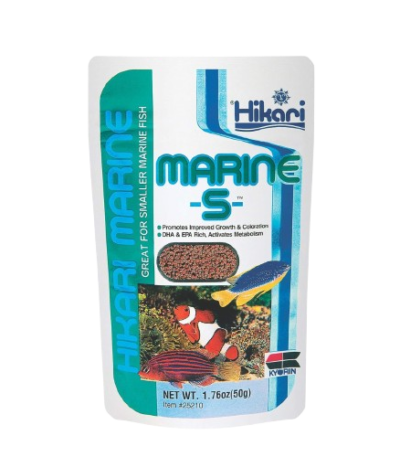
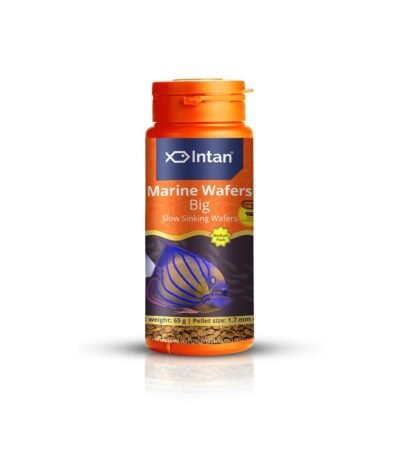
Intan Marine Wafers – Premium Nutrition for Marine Fish
₹280.00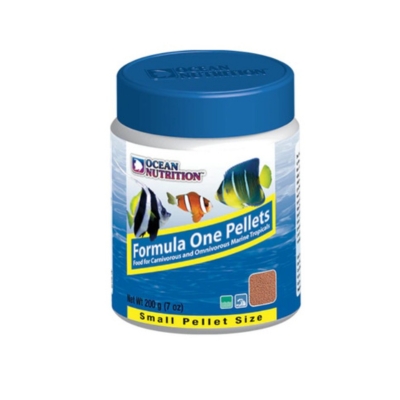
Ocean Nutrition Formula One Pellets
₹1,600.00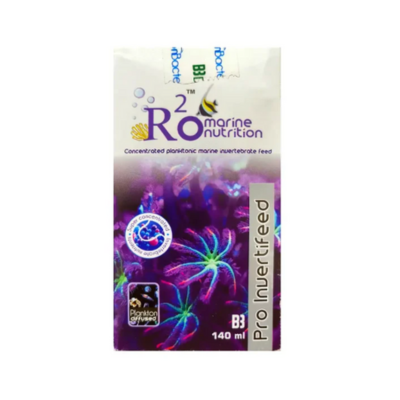
R2o Pro Invertifeed
Marine Fish Food for Reef and Saltwater Aquariums
Written by Pavan | Marine Aquarium Hobbyist and Co-founder, Ocean Paws Hyderabad
The right marine fish food makes a visible difference to the health, colour, and behaviour of every fish and coral in your reef tank. Marine species have nutritional needs that are completely different from freshwater fish. They evolved in warm tropical oceans where the natural diet is rich in marine proteins, omega 3 fatty acids, and natural carotenoid pigments. Feeding the right marine fish food is the single most important daily habit for a thriving reef. At Ocean Paws we carry a handpicked range of flakes, pellets, frozen food, and coral nutrition for reef keepers across India. Whether you are in Hyderabad, Bangalore, Mumbai, Chennai, or Pune, we have the right food for every fish and coral in your tank.
Why Marine Fish Food Is Different from Freshwater Food
Freshwater fish food and marine fish food are not the same and they are not interchangeable. Marine fish have a fundamentally different physiology. They live in saltwater and constantly work to excrete excess salt through their kidneys. This gives them significantly higher energy demands just to maintain basic body function.
Marine species also evolved eating very specific prey. Clownfish eat zooplankton, algae, and small crustaceans near their host anemone. Tangs spend most of the day grazing algae and seaweed on coral reefs. Angelfish feed on sponges and encrusting algae. Gobies hunt tiny crustaceans and worms from the substrate.
Freshwater fish food lacks the marine-source proteins, omega 3 fatty acids, and natural pigments that saltwater species need. Feeding your marine fish general freshwater food over time leads to dull colouration, weakened immunity, slow growth, and a shortened lifespan.
Always choose food that is specifically formulated for marine and reef aquarium species. This is not optional for a serious reef keeper.
The Four Types of Marine Fish Food Explained
Most experienced Indian reef keepers use a combination of all four food types. Each type has different strengths and plays a different role in a complete marine feeding programme.
Marine Fish Flakes
Marine flakes are the most widely used everyday food for reef fish. They float at the surface and spread across the water column, giving fish feeding at different tank levels a fair chance to eat at the same time. Flakes are ideal for surface and mid-water feeders like anthias, chromis, damselfish, and most small reef fish.
The most important thing to know about flakes is that they elevate phosphate more than any other food type. The fine, thin structure of flake food breaks down very quickly in water. Any uneaten flake releases its nutrients into the water column within minutes and drives phosphate levels up. Always feed only what your fish consume in under 30 seconds and remove any excess immediately.
Marine Fish Pellets
Pellets are 5 to 10 times denser by weight compared to flakes. This means every pellet delivers significantly more nutrition per bite. Pellets come in sinking and floating varieties. Sinking pellets are excellent for bottom feeders, gobies, and wrasses that naturally hunt near the substrate. Floating pellets suit mid water and surface feeding fish.
Because pellets are denser, they break down much more slowly in water. This makes them considerably cleaner than flakes in terms of water quality impact. Pellets also work their way into live rock crevices and keep fish and shrimp actively searching and foraging. This natural foraging behaviour is beneficial for both the physical and mental wellbeing of reef fish.
Frozen Marine Food
Frozen food is the gold standard of marine fish nutrition. The freezing process preserves delicate nutrients like omega 3 fatty acids, amino acids, and natural enzymes that are largely destroyed during the heat processing used to make dry food. For fish health, colour enhancement, and breeding condition, frozen food consistently outperforms both flakes and pellets.
Common frozen food options for reef tanks include mysis shrimp, brine shrimp, copepods, krill, and mixed marine blends. Mysis shrimp is the most widely recommended frozen food for reef fish because of its excellent protein and fat balance and its natural resemblance to the prey marine fish eat in the wild.
One handling rule that every Indian reef keeper needs to follow. Frozen food packing liquid is very high in phosphate and ammonia. Always thaw your frozen food in a small cup of tank water, then drain off the packing liquid completely before feeding. This one step significantly reduces the phosphate and ammonia load entering your tank with every single feeding.
Coral and Invertebrate Food
Corals are animals, not plants. They need to be fed actively. Many reef keepers in India focus entirely on their fish and neglect coral nutrition, which results in slow coral growth, poor polyp extension, and faded colouration.
LPS corals like hammer corals, frogspawn, brain corals, and torch corals can capture relatively large food particles. They respond well to larger zooplankton, pieces of frozen mysis, and specially formulated coral foods with particle sizes in the 100 to 500 micron range.
SPS corals like Acropora and Montipora feed on extremely fine particles. They need phytoplankton and ultra fine zooplankton suspensions in the sub 100 micron range to benefit from direct feeding.
Soft corals, clams, feather dusters, and sponges benefit from liquid phytoplankton and very fine particulate food suspended across the water column.
Species Specific Feeding Guide for Common Reef Fish
Different fish in your reef tank have very different nutritional needs. Feeding everyone the same food is one of the most common mistakes Indian reef keepers make. Here is a practical guide for the species most popular in Indian reef tanks.
Clownfish
Clownfish are omnivores. In the wild they eat zooplankton, algae, and small invertebrates found near their host anemone. In a reef tank, clownfish do best with a base of marine flakes or small pellets combined with regular frozen mysis shrimp and occasional frozen copepods. Feed twice daily in small amounts that your clownfish consume completely within 30 to 60 seconds.
Tangs
Tangs are primarily herbivores. They spend most of their day grazing algae on a natural reef. In a home reef tank, tangs need dried seaweed (nori) clipped to the glass every day or every other day. Supplement with a marine pellet or flake base and offer frozen mysis two to three times a week for additional protein. Tangs deprived of seaweed in their diet develop lateral line erosion, a disfiguring condition that shows as pitting and scarring along the head and flanks. This condition is entirely preventable with correct feeding.
Angelfish
Angelfish are omnivores with a strong preference for sponge material in the wild. Dwarf angelfish like flame angels and coral beauties do well on a varied diet of high quality marine pellets, frozen mysis shrimp, and occasional spirulina enriched food. Larger angelfish need more substantial frozen and prepared foods to maintain body mass and colour. Feed once or twice daily.
Gobies and Blennies
Most gobies and blennies feed close to the substrate. They do best with small sinking pellets and frozen copepods or fine frozen blended foods. Many blennies are herbivores and benefit from the same seaweed feeding routine recommended for tangs. Mandarin dragonets are a special case and require live or frozen copepods as their primary food source since they rarely accept other food types.
How Much to Feed and How Often
The 30 to 60 second rule is the most reliable guide to portion size for a reef tank. Offer an amount of food that your fish consume completely in 30 to 60 seconds for active, fast feeders and within 2 minutes for slower or more timid species. Any food remaining after this time should be removed from the tank immediately.
Feed adult reef fish once or twice a day. Two smaller feedings spread through the day are better than one large feeding. Smaller, more frequent meals closely match the natural feeding behaviour of reef fish and significantly reduce organic waste in your water.
One fasting day per week is recommended for most reef fish. A weekly fast gives the digestive system a rest, reduces the organic load in your tank for 24 hours, and does not harm fish that are otherwise consistently well fed. Many experienced reef keepers across India find that fish colours are actually stronger and more vivid in tanks that follow a weekly fasting routine.
Recommended Weekly Feeding Schedule for a Reef Tank
Here is a practical weekly schedule used by experienced reef keepers across India for mixed reef tanks with both fish and corals.
| Day | Fish Feeding | Coral and Invertebrate Feeding |
|---|---|---|
| Monday | Marine pellets or flakes | Liquid phytoplankton broadcast dose |
| Tuesday | Frozen mysis shrimp | Target feed LPS corals |
| Wednesday | Marine pellets or flakes | None |
| Thursday | Frozen mysis or copepods | Liquid phytoplankton broadcast dose |
| Friday | Marine pellets or flakes | Target feed LPS corals |
| Saturday | Frozen blended marine food | Coral food broadcast dose |
| Sunday | Fasting day | None |
Adjust this schedule based on your specific tank bioload and how quickly your water parameters shift after feeding days. If nitrate rises noticeably after frozen food days, rinse your frozen food more thoroughly or reduce the volume slightly.
How Overfeeding Damages Your Reef Tank
Overfeeding is the single most common cause of water quality problems in Indian reef tanks. Every piece of uneaten food that sinks into your live rock or substrate decomposes. As it decomposes it releases ammonia. Ammonia converts to nitrite. Nitrite converts to nitrate. Phosphate rises alongside all of this.
The result is persistent brown algae, hair algae, and cyanobacteria outbreaks that slowly smother your corals and live rock. These algae problems are almost always caused by feeding too much, feeding too often, or not removing uneaten food fast enough.
The solution is simple. Feed less. Feed more often with smaller individual portions. Remove uneaten food within 2 minutes. Follow a weekly fast day. These four habits alone transform the water quality and visual appearance of most struggling reef tanks in India.
If you notice an ammonia spike after introducing a new food or changing your feeding routine, reduce feeding immediately, skip a day or two, and do a 10 percent water change. Your fish will not suffer from missing one or two meals. Your water quality will recover quickly.
Handling and Storing Marine Fish Food in India
Proper food storage protects nutrition quality and prevents contamination entering your reef tank.
Store dry flakes and pellets in a cool, dry place away from direct sunlight. Seal the container tightly after every use. In coastal Indian cities like Mumbai and Chennai where monsoon humidity stays above 80 percent for weeks at a time, moisture entering an open food container degrades the food rapidly and can introduce mould. A sealed glass jar or airtight container is ideal for long term storage.
Frozen food must stay frozen until the moment you use it. Never refreeze food that has thawed. In India, power outages are a genuine concern for reef keepers. If your freezer has been without power for more than 2 hours, check your frozen food carefully before feeding. Partially thawed and refrozen food can introduce harmful bacteria into your tank and trigger a dangerous ammonia spike.
How to Feed Corals the Right Way
Corals extend their feeding tentacles most actively at night. The best time to feed corals is 30 to 60 minutes after your aquarium lights go off for the day.
For target feeding LPS corals like hammer corals and brain corals, mix a small amount of coral food with a few millilitres of tank water to form a thin paste. Use a pipette or turkey baster to deliver this paste directly onto each coral’s extended polyps. Switch off your circulation pumps for 5 to 10 minutes while feeding to prevent the food from dispersing before the corals can capture and ingest it.
For SPS corals and passive filter feeders, broadcast dose liquid phytoplankton or ultra-fine coral food directly into the water column with your circulation pumps running. The flow distributes the fine particles across the entire tank and your SPS corals, clams, and feather dusters capture them passively through the current.
For soft corals, mushrooms, and zoanthids, regular fish feedings usually provide enough secondary nutrients in the water column. Dedicated coral feeding for these species is beneficial but not essential for healthy growth.
Shop Marine Fish Food at Ocean Paws
Ocean Paws is Hyderabad’s trusted source for marine aquarium nutrition. Our marine fish food range covers every feeding need in a reef tank. From everyday flakes and pellets to premium frozen food and dedicated coral nutrition, every product in this category is chosen for quality, nutritional value, and reliability for Indian reef keepers.
Browse the products below to find the right food combination for your reef setup. We ship fast to Hyderabad, Bangalore, Mumbai, Chennai, Pune, Delhi, Kolkata, and all across India. For personalised recommendations on the right feeding programme for your specific tank, call us at +91 7416684040 or email info@oceanpaws.in.
FAQ Section
What is the best marine fish food for a reef tank?
The best approach is a combination of food types rather than any single product. Use marine pellets or flakes as a daily base for your fish. Supplement with frozen mysis shrimp or copepods two to three times a week for superior protein, omega 3 fatty acids, and natural colour pigments. Add dedicated coral food for your LPS and SPS corals once or twice a week. No single food type alone provides complete nutrition for a mixed reef tank with multiple species.
How often should I feed marine fish in a reef tank?
Feed adult reef fish once or twice a day in small portions. Each feeding should be an amount your fish consume completely in 30 to 60 seconds. Include one fasting day per week for most reef fish. Two smaller daily feedings are healthier than one large feeding and produce much less organic waste in your water. Follow this routine consistently and your water quality will stay stable.
Is frozen food better than pellets for marine fish?
Frozen food generally provides superior nutrition because the freezing process preserves omega 3 fatty acids, amino acids, and enzymes that heat processing destroys in dry food. However, pellets are more convenient, cleaner in the water, and easier to store. Most experienced reef keepers use both. Pellets or flakes form the everyday base and frozen food is offered two to three times per week for enhanced nutrition, colour, and fish condition.
Why is my reef tank developing algae after feeding?
Algae growth after feeding almost always means too much food is being added or uneaten food is decomposing in the tank. Decomposing food releases phosphate and ammonia that directly fuel algae blooms. Reduce your feeding portions to what fish eat in 30 to 60 seconds. Remove all uneaten food within 2 minutes. If you are feeding flakes, switch partly to pellets as they elevate phosphate less when uneaten. A weekly fasting day also reduces the overall organic load in your tank significantly.
How do I feed LPS corals in a reef tank?
Feed LPS corals 30 to 60 minutes after your aquarium lights go off, when their feeding tentacles are fully extended. Switch off your circulation pumps first. Mix a small amount of coral food with tank water to form a thin paste and use a pipette or turkey baster to deliver it directly to each coral’s polyps. Leave the pumps off for 5 to 10 minutes to allow the corals to capture the food before it disperses into the water column.
How do I store frozen marine fish food safely in India?
Keep all frozen food in the freezer until the moment of feeding. Thaw only the amount you need in a small cup of tank water, drain off the packing liquid completely, and feed immediately. Never refreeze food that has thawed. During Indian summers and monsoon season when power outages can affect freezers, inspect frozen food carefully before use. Discard any food that has partially thawed and refrozen as it can introduce bacteria and spike ammonia levels in your reef tank.
Author Bio
About the Author
Pavan is a marine aquarium hobbyist based in Hyderabad with over 20 years of hands-on experience in freshwater and saltwater aquarium . He is the co-founder of Ocean Paws, Hyderabad’s trusted destination for marine and planted aquarium equipment.


