 Dog Grooming Products
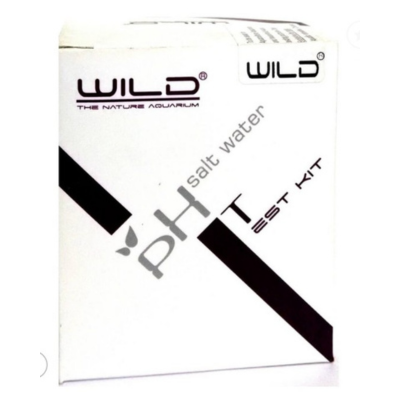
Wild pH Test Kit by Aquatic Remedies for Saltwater Aquariums
Author Written by Pavan, co-founder of Ocean Paws and aquarium specialist with 20 years of hands-on fishkeeping experience.
Last Updated July 8, 2026
The Simple Water Test That Protects Every Fish and Coral in Your Reef
Most saltwater aquarium problems that end in dead fish or bleached coral do not announce themselves. The water looks perfectly clear, the skimmer pulls its dark skimmate, and the livestock seems fine right up until the morning you find a fish gasping at the surface or a coral receding at the base. In a very large number of these cases, the invisible culprit is pH. When the pH of your marine water drifts too far in either direction, or worse, swings suddenly, your fish suffer stress, your corals struggle to calcify, immune systems weaken, and disease takes hold. The Wild pH Test Kit by Aquatic Remedies exists precisely so that you never have to guess about this critical parameter again.
The Wild pH Test Kit is a fast, accurate, and genuinely easy to use liquid drop test that measures the pH of your saltwater aquarium in under a minute. Each kit provides approximately 50 individual tests, giving you months of regular monitoring from a single affordable purchase. Whether you keep a marine fish only system with clownfish and tangs, a soft coral reef, or a demanding SPS dominated tank, the Wild pH Test Kit gives you the clear, reliable readings you need to keep your water stable and your livestock healthy.
Why pH Matters More Than Most Marine Aquarium Keepers Realize
Before exploring the features of the Wild pH Test Kit in detail, it helps to understand exactly why pH deserves your attention. pH is a measure of how acidic or alkaline your water is on a scale from 0 to 14. A reading of 7 is neutral, values below 7 are acidic, and values above 7 are alkaline. Because the pH scale is logarithmic, a shift of just one full pH point represents a tenfold change in acidity, which means even small numerical movements have large biological consequences for marine life.
Saltwater aquariums operate in the alkaline range, and most reef and marine systems thrive within a pH of approximately 8.1 to 8.4. This higher, stable pH mirrors the conditions of natural ocean water, where marine fish and corals have evolved over millions of years. Therefore, knowing your actual pH and keeping it within this narrow band is fundamental to keeping any marine species successfully. Unlike freshwater, where a wider spread of values can be acceptable, saltwater systems demand tighter control, which makes regular testing even more important.
When pH drifts outside the marine range, the effects are serious. Water that falls too low stresses fish, reduces the availability of carbonate that corals need to build their skeletons, and slows coral growth dramatically. Water that climbs too high can precipitate calcium and magnesium out of solution and stress sensitive invertebrates. Furthermore, a sudden swing in pH, known as pH shock, can kill fish and corals outright within hours even when the final value would otherwise have been tolerable. As a result, stable and appropriate pH is not a minor detail. It is one of the foundations of a healthy reef, and the Wild pH Test Kit is the tool that lets you monitor it.
Wild pH Test Kit Key Features
Accurate Liquid Drop Test Technology
The Wild pH Test Kit uses a liquid reagent drop test method, which is widely recognized by experienced marine aquarium keepers as more accurate and more reliable than paper test strips. Paper strips are convenient but notoriously imprecise, and they degrade quickly when exposed to humidity, which is a real problem in the Indian climate. The liquid reagent in the Wild pH Test Kit produces a clear, distinct color change that you compare against a printed color chart, giving you a dependable reading every time. Because the reagent is sealed in a dropper bottle, it stays stable and effective for far longer than paper strips exposed to air and moisture.
Approximately 50 Tests Per Kit
Each Wild pH Test Kit provides approximately 50 individual tests. For a hobbyist testing once or twice a week, which is the recommended frequency for a stable established reef, a single kit lasts many months. For someone cycling a new marine tank and testing more frequently, the kit still delivers excellent value. This high test count combined with the affordable price makes the Wild pH Test Kit one of the most cost effective water testing solutions available to Indian marine aquarium keepers.
Fast Results in Under One Minute
Speed matters when you are managing a reef. The Wild pH Test Kit delivers a clear color result almost immediately after you add the reagent and swirl the sample. There is no long waiting period and no complicated multi step procedure. Within under a minute you have your reading and you can act on it, which makes regular testing quick enough that you will actually keep up with it rather than letting it slide.
Multi Purpose Application
While the Wild pH Test Kit is valuable first and foremost for your saltwater aquarium, its usefulness extends further. The same drop test method reliably measures the pH of general household and industrial water as well. Therefore, a single Wild pH Test Kit serves the marine hobbyist and anyone who needs to monitor water pH around the home or workplace. This versatility adds genuine value beyond the reef tank.
Simple Enough for Complete Beginners
One of the greatest strengths of the Wild pH Test Kit is how approachable it is. You do not need any scientific training, any calibration equipment, or any prior experience to use it correctly. The procedure is straightforward, the color chart is easy to read, and the results are unambiguous. As a result, the Wild pH Test Kit is an ideal first test kit for beginners setting up their very first marine aquarium, while remaining accurate enough to satisfy experienced reef keepers.
Wild pH Test Kit Specifications
Product Name: Aquatic Remedies Wild pH Test Kit
Parameter Measured: pH, the acidity or alkalinity of water
Test Method: Liquid reagent drop test with color chart comparison
Number of Tests: Approximately 50 tests per kit
Water Types: Saltwater aquariums, marine and reef systems, general household and industrial water
Sample Volume: 5 millilitres of water per test
Reagent Dosage: 5 drops of pH solution per test
Result Time: Under one minute
Brand: Aquatic Remedies
Country of Origin: India
How to Use the Wild pH Test Kit Step by Step
The Wild pH Test Kit is designed to be simple, and following the correct procedure ensures you get an accurate reading every single time.
Step One Collect Your Water Sample
Rinse the test tube provided in the kit with the aquarium water you intend to test, then fill it with 5 millilitres of water taken from your saltwater aquarium. Take the sample from the middle of the tank rather than right at the surface or right at the substrate, because the mid water zone gives the most representative reading of your overall tank conditions.
Step Two Add the Reagent
Hold the pH solution dropper bottle vertically above the test tube and add 5 drops of the reagent into the water sample. Holding the bottle vertical rather than at an angle ensures each drop is a consistent size, which matters for accuracy. Take care to add exactly the specified number of drops, because adding too many or too few will distort the result.
Step Three Mix the Sample
Cap the test tube and swirl or gently invert it a few times to mix the reagent evenly through the water sample. The color will develop almost immediately as the reagent reacts with the water.
Step Four Read the Result Against the Color Chart
Hold the test tube against the white area of the printed color chart provided with the kit and compare the color of your sample to the reference colors. Read the test in bright, natural daylight wherever possible, because artificial lighting can subtly alter how colors appear and lead to a misreading. Match your sample color to the closest reference color on the chart and note the corresponding pH value.
Step Five Record and Act on Your Reading
Write down your reading along with the date so that you can track your pH over time. A single reading tells you the current value, but a series of readings reveals trends, and trends are what allow you to catch a slow pH drift before it becomes a crisis. If your reading is outside the ideal marine range, take appropriate corrective action gradually rather than suddenly, because rapid pH changes are more dangerous to fish and corals than a stable value slightly outside the ideal.
How Often Should You Test Your Saltwater Aquarium pH
The correct testing frequency depends on the age and stability of your marine aquarium.
For a brand new saltwater aquarium that is still cycling, test your pH daily during the first weeks and continue frequent testing until the tank has fully established its biological filter. New marine tanks are chemically unstable, and pH can move as the nitrogen cycle develops and as the system finds its balance, so close monitoring during this period is essential.
For an established and stable reef aquarium, testing your pH once or twice per week is generally sufficient to catch any developing problems early. Regular testing fits naturally into a maintenance routine and gives you the data you need to keep conditions consistent, which is exactly what corals and marine fish depend on.
You should also test your pH whenever you make a change to the tank or notice a problem. Testing is warranted after a large water change, after adding new livestock, after dosing any supplement or medication, and any time your fish or corals show signs of stress such as clamped fins, rapid breathing, loss of appetite, or coral polyp retraction. In these situations, an immediate pH reading helps you diagnose whether water chemistry is the cause.
Because the Wild pH Test Kit is fast, simple, and provides around 50 tests per kit, keeping up with this recommended testing schedule is easy and affordable.
Understanding Your pH Reading and What to Do
If Your pH Is Too Low
A pH reading below the marine range indicates water that is too acidic for a reef system. In saltwater aquariums, pH tends to drift downward over time because respiration, organic acid accumulation, and the buildup of carbon dioxide gradually lower the value, particularly overnight when photosynthesis stops. If your reading is too low, improving surface agitation and gas exchange helps release excess carbon dioxide, a partial water change with properly mixed marine salt restores balance, and maintaining correct alkalinity provides a buffer that resists further pH decline. Always make such corrections gradually.
If Your pH Is Too High
A pH reading above the marine range is less common but can occur through overdosing of alkalinity supplements or excessive carbon dioxide stripping. If your reading is too high, review your dosing routine and address the cause. Again, any correction should be made slowly to avoid shocking your fish and corals.
If Your pH Is Stable and In Range
If your reading falls within the ideal marine range and stays consistent from test to test, you have exactly what you want. A stable pH held steadily within the correct band is far more valuable to your livestock than chasing a specific perfect number. Consistency is the goal, and regular testing with the Wild pH Test Kit is how you confirm you are achieving it.
Why the Wild pH Test Kit Outperforms Competing Products in India
Wild pH Test Kit vs Imported Premium Test Kits
Imported premium test kits from international brands are available in India at significantly higher prices driven by import costs and distributor margins. While these kits are accurate, they are considerably more expensive per test than the Wild pH Test Kit. For the everyday marine hobbyist who simply needs reliable, accurate pH readings, the Wild pH Test Kit delivers the accuracy that matters at a fraction of the cost of imported alternatives. As a made in India product by Aquatic Remedies, it is also readily available without long shipping waits.
Wild pH Test Kit vs Digital pH Pens
Digital pH pens seem convenient, but they carry hidden drawbacks. They require regular calibration with buffer solutions to stay accurate, their electrodes degrade over time and need replacement, and they can drift out of accuracy without the user realizing it, which is a particular risk in a reef tank where precision matters. The Wild pH Test Kit needs no calibration, no batteries, and no maintenance. It simply works, every time, straight out of the box, which makes it more dependable for most hobbyists than an uncalibrated digital pen.
Aquatic Remedies A Trusted Indian Aquarium Brand
The Wild pH Test Kit is part of the broader Aquatic Remedies range, a made in India brand that has earned the trust of aquarium keepers across the country. Aquatic Remedies produces a full family of Wild series water test kits including tests for carbonate hardness and chlorine, allowing you to build a complete water testing toolkit from a single trusted brand. Because Aquatic Remedies formulates its products with Indian water conditions and Indian hobbyists in mind, the Wild pH Test Kit is genuinely well suited to the conditions found in Indian marine aquariums. Furthermore, as a domestic product, it is affordable, widely available, and free of the import costs that inflate the price of foreign test kits.
Frequently Asked Questions About the Wild pH Test Kit
What pH range should my saltwater aquarium maintain?
Most reef and marine aquariums thrive within a pH of approximately 8.1 to 8.4, which mirrors natural ocean water. The Wild pH Test Kit lets you confirm whether your water sits within this ideal alkaline band or has drifted too low or too high for your fish and corals.
How many tests do I get from one Wild pH Test Kit?
Each Wild pH Test Kit provides approximately 50 individual tests. For a hobbyist testing once or twice a week, a single kit lasts many months, which makes it a highly economical choice for ongoing marine water monitoring.
Is the Wild pH Test Kit suitable for beginners?
Yes, absolutely. The Wild pH Test Kit is one of the most beginner friendly water tests available. The procedure is simple, requires no calibration or special equipment, and produces a clear color result that is easy to read against the included chart. It is an ideal first test kit for anyone setting up their first saltwater aquarium.
How often should I test my saltwater aquarium pH with this kit?
For a stable established reef, test once or twice per week. For a new marine aquarium that is still cycling, test daily during the first weeks. Always test after large water changes, after adding new livestock or supplements, and whenever your fish or corals show signs of stress.
Why is a liquid test kit better than paper strips?
Liquid reagent test kits like the Wild pH Test Kit are more accurate and more reliable than paper strips. Paper strips give only approximate readings, are difficult to read precisely, and degrade quickly in humidity. The liquid reagent produces a clear, distinct color change and stays stable and effective for far longer, which matters greatly in a reef tank where small pH differences are significant.
How do I read the test result correctly?
After adding 5 drops of reagent to 5 millilitres of aquarium water and swirling the sample, hold the test tube against the white portion of the color chart and compare the sample color to the reference colors. Read the result in bright natural daylight for the most accurate color matching, and match your sample to the closest reference color to find your pH value.
Why does my reef tank pH drop overnight?
Marine aquarium pH naturally falls during the night because corals and other organisms continue respiring and releasing carbon dioxide while photosynthesis has stopped. This raises dissolved carbon dioxide and lowers pH until daylight returns. Testing at the same time each day helps you understand your tank’s natural daily rhythm and identify any abnormal drift.
What should I do if my pH reading is outside the ideal marine range?
If your pH is outside the ideal range, make corrections gradually rather than suddenly, because rapid pH changes are more harmful to marine life than a stable value slightly outside the ideal. Improving surface agitation and gas exchange, performing a partial water change with correctly mixed marine salt, and maintaining proper alkalinity are the safest ways to bring pH back into balance.
Does the Wild pH Test Kit expire?
Like all liquid reagent test kits, the Wild pH Test Kit performs best when used within a reasonable period and stored correctly. Keep the reagent bottle tightly capped, store it in a cool, dry place away from direct sunlight, and it will remain accurate and effective throughout its usable life.
Where can I buy the genuine Wild pH Test Kit in India?
The genuine Aquatic Remedies Wild pH Test Kit is available at Ocean Paws through the website at www.oceanpaws.in. As a dedicated marine aquarium store, Ocean Paws stocks the authentic Aquatic Remedies range with fast shipping across India, so you receive a genuine, fresh product delivered to your door.
Final Thoughts on the Wild pH Test Kit
You cannot manage what you do not measure. This simple truth sits at the heart of successful marine aquarium keeping. Your fish and corals live their entire lives inside the water you provide for them, and the chemistry of that water determines whether they merely survive or truly thrive. pH is among the most important aspects of that chemistry, and it is also one of the easiest to monitor once you have the right tool in hand.
The Wild pH Test Kit by Aquatic Remedies gives you that tool at a genuinely accessible price. Accurate liquid drop testing, around 50 tests per kit, results in under a minute, and a procedure simple enough for a complete beginner combine to make regular pH monitoring effortless. When testing is this easy, you will actually do it, and consistent testing is what keeps reef tanks stable and marine life healthy over the long term.
Take the guesswork out of your water chemistry. Give yourself the confidence of knowing exactly what is happening in your tank. Choose the Wild pH Test Kit and protect every fish and coral you keep.
Disclaimer Always follow the instructions provided with the test kit. Store the reagent in a cool, dry place away from children. Make any water chemistry corrections gradually to avoid stressing your fish and corals.
Author Written by Pavan, co-founder of Ocean Paws and aquarium specialist with 20 years of hands-on fishkeeping experience.
Last Updated July 8, 2026


