 Dog Grooming Products
Filter by category
Showing the single result
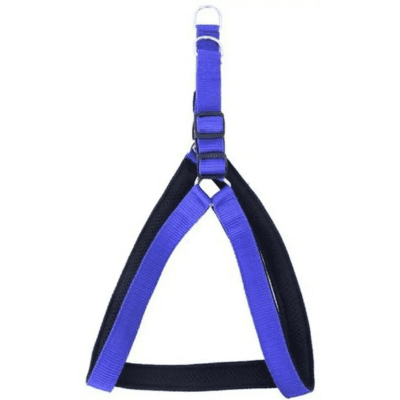
Dog Harness
₹105.00 – ₹180.00Price range: ₹105.00 through ₹180.00Dog Harness Online India
A dog harness is one of the most useful pieces of equipment you can own as a dog owner in India. For dogs that pull, for brachycephalic breeds, for puppies learning to walk on a leash, and for any dog that needs to travel in a vehicle, a well-fitted harness is genuinely safer and more comfortable than a collar alone. The shift from collar-only to harness in India has been significant over the past decade as more dog owners understand the physical toll of collar pressure on a pulling dog’s throat and neck.
At Ocean Paws we stock dog harnesses for a range of breeds and sizes. Every harness in our range is chosen for secure fit, durable materials and practical design that holds up to daily use in Indian weather conditions.
Why a Harness Is Better Than a Collar for Many Dogs
When a dog pulls on a leash attached to a collar, the force concentrates directly on the throat and the structures of the neck including the trachea, thyroid gland and cervical spine. In dogs that pull hard consistently over years, this pressure causes real physical damage. Brachycephalic breeds including Pugs, French Bulldogs and Shih Tzus are particularly vulnerable because their already-compressed airways make any additional pressure on the throat a serious respiratory risk.
A harness distributes leash pressure across the chest, shoulders and back rather than concentrating it at the throat. A dog that pulls in a harness is not risking neck injury in the way that a collar-only dog is. For any dog that pulls regularly on the leash, switching to a harness is one of the most straightforward welfare improvements you can make.
Types of Dog Harness
Back-Clip Harness
A back-clip harness has the leash attachment ring on the dog’s back between the shoulder blades. It is the most common type and is comfortable, easy to put on and suitable for most calm to moderately trained dogs. The limitation is that it gives the dog significant forward pulling leverage, so it is not ideal as the sole tool for training a strong puller. It is excellent for small breeds, well-trained dogs and any dog that primarily needs the harness for safety rather than training purposes.
Front-Clip Harness
A front-clip harness has the leash attachment at the dog’s chest. When the dog pulls forward, the front attachment redirects them back toward you rather than allowing them to pull straight ahead. This makes front-clip harnesses an effective training tool for dogs that pull heavily, as the physics of the front attachment discourages pulling without causing any pain or discomfort. Many trainers recommend front-clip harnesses as the first step in loose-leash walking training.
Dual-Clip Harness
A dual-clip harness has attachment points at both the back and the chest. This allows you to use a double-ended leash attached at both points simultaneously, giving you maximum control over a strong puller while being gentler than a prong or choke collar. Dual-clip harnesses are popular for large breeds like Labradors, German Shepherds and Golden Retrievers that are strong but still in training.
Step-In Harness
A step-in harness lies flat on the ground, the dog steps both front feet into the loops, and you clip the harness up along the back. It is very easy to put on dogs that resist having things put over their head. Step-in harnesses are popular for small breeds and for dogs that are anxious about harness fitting. They are usually back-clip designs and work best for small to medium dogs.
How to Fit a Dog Harness Correctly
A correctly fitted harness should be snug enough that it cannot be twisted or pulled around the dog’s body, but loose enough that you can slide two fingers under any strap. It should not restrict the movement of the front legs or cause the dog to waddle or swing their body abnormally when walking.
Check that the chest strap sits across the breastbone rather than across the throat. A chest strap that rides too high will press against the throat and defeat the purpose of using a harness in the first place. The back strap should sit behind the shoulder blades rather than across them, as a strap across the shoulders restricts the dog’s natural gait.
After fitting, watch your dog walk in the harness before going out. Any rubbing, restriction of leg movement or visible discomfort means the fit needs adjustment. Some dogs need a period of adjustment to wearing a harness, especially if they have only ever worn a collar. Short positive sessions with treats while wearing the harness help most dogs accept it quickly.
Indian Conditions and Harness Use
In Indian summer heat, padded harnesses with thick foam lining trap heat and cause significant discomfort. During the hot months from March to June, choose a harness made from mesh or open-weave materials that allow air circulation and do not retain heat against the dog’s body. Waterproof or water-resistant materials are also practical during the monsoon season.
For car travel, many harnesses can be used with a vehicle seatbelt attachment that clips through the back leash ring and into the car’s seatbelt socket. This is significantly safer than allowing a dog to roam freely in a moving vehicle and is strongly recommended for any dog that travels regularly in a car in Indian traffic conditions.
Shop Dog Harnesses at Ocean Paws
We stock dog harnesses with fast delivery across India. Also see our dog collars, dog accessories and full dog range.
Frequently Asked Questions About Dog Harnesses
Is a harness or collar better for my dog?
For most dogs, a harness is safer for walks and a collar is practical for everyday wear at home. A harness eliminates throat pressure during pulling, which is important for the health of any dog that pulls regularly and essential for brachycephalic breeds. A collar is useful for carrying an ID tag and for calm dogs on short walks. Using both for their respective purposes is the approach most experienced dog owners in India settle on.
What size harness does my dog need?
Measure your dog’s chest at the widest point, usually just behind the front legs, and their neck circumference. Most harness size guides use chest girth as the primary measurement. Always verify the fit once the harness is on: you should be able to fit two fingers under every strap, the chest strap should sit below the throat, and your dog should be able to move their front legs freely without any restriction.
Can a dog wear a harness all day?
Most harnesses are designed for walking and should be removed when not in use. Wearing a harness continuously throughout the day can cause rubbing, hair loss and pressure sores at friction points, particularly in breeds with short or fine coats. Put the harness on before walks and remove it when your dog comes back indoors. A flat collar for carrying the ID tag is more comfortable for extended all-day wear.
How do I get my dog used to wearing a harness?
Introduce the harness gradually using positive reinforcement. Let your dog sniff the harness first, then reward them for allowing you to hold it near them. Put it on for short sessions indoors with treats and praise, then gradually increase the duration before using it for actual walks. Most dogs accept a harness within a few days to a week with this approach. Forcing a reluctant dog into a harness without positive introduction creates lasting anxiety around it.
Written by the Ocean Paws Team, pet care specialists at Ocean Paws, Hyderabad, India.


