 Dog Grooming Products

Filter by category
Showing 1–12 of 45 results
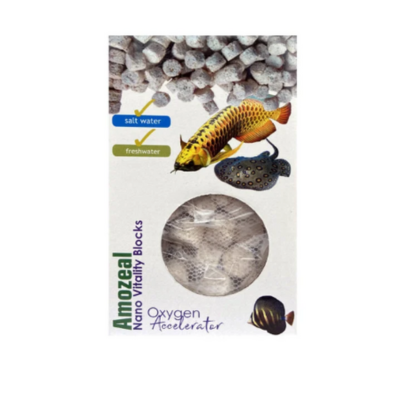
Aquatic Remedies Amozeal
₹675.00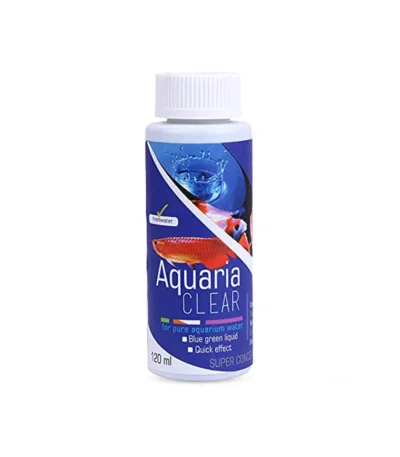
Aquatic Remedies Aquaria Clear
₹284.00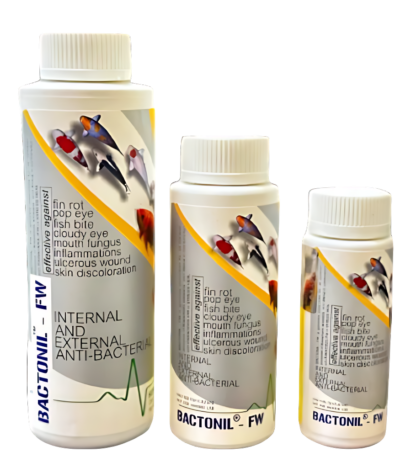
Aquatic Remedies Bactonil FW
₹130.00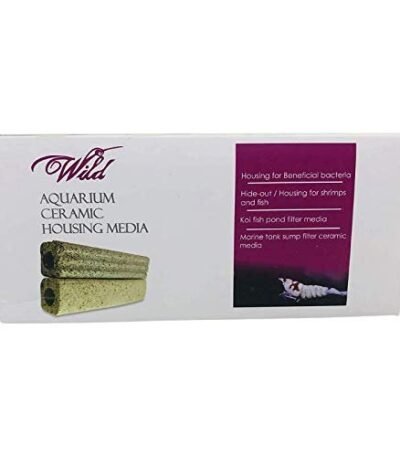
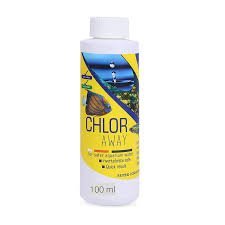
Aquatic Remedies Chlor Away
₹120.00
Aquatic Remedies General Cure
₹170.00
Aquatic Remedies Micro Life XS2
₹450.00
Aquatic Remedies Microlife S2
₹50.00 – ₹320.00Price range: ₹50.00 through ₹320.00
Aquatic Remedies Paracidol
₹170.00 – ₹270.00Price range: ₹170.00 through ₹270.00
Aquatic Remedies Stress Heal
₹100.00 – ₹200.00Price range: ₹100.00 through ₹200.00
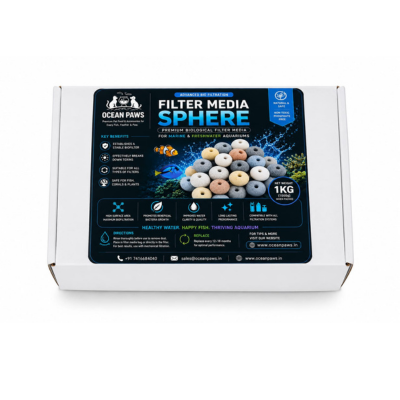
Bio Spheres Biological Media
Freshwater Aquarium Products Online India
Written by Pavan and Koushik | Freshwater and Marine Aquarium Hobbyists, Co-founders, Ocean Paws Hyderabad | Last updated: September 2026
A freshwater aquarium is the most rewarding way to start your fishkeeping journey in India. Whether you are a complete beginner setting up your first tank or an experienced hobbyist expanding an existing system, Ocean Paws stocks every freshwater aquarium product you need in one place. Our range covers filters, heaters, air pumps, fish food, medicines, filter media, water conditioners and accessories, all chosen by people who actually keep freshwater tanks in Indian conditions.
Why Freshwater Aquariums Are Perfect for Indian Hobbyists
Freshwater fishkeeping is the most popular form of the hobby in India and it is easy to understand why. The initial investment is lower than marine setups, the equipment is simpler to operate and maintain, and the range of fish available is genuinely spectacular. From the humble guppy to the magnificent arowana, freshwater tanks support an enormous variety of fish that thrive in Indian tap water when it is properly conditioned.
Indian tap water chemistry varies significantly from city to city but it is generally hard and alkaline, with a pH between 7.5 and 8.2 in most major cities including Hyderabad, Bangalore, Mumbai and Delhi. This suits many popular freshwater species perfectly. Guppies, mollies, platys, swordtails and cichlids all do well in harder water. For softwater species like discus, cardinal tetras and South American dwarf cichlids, a water conditioner or RO top-up brings the parameters into range without expensive equipment.
Indian room temperatures also work in your favour. Between April and October, most Indian cities maintain room temperatures between 27°C and 33°C, which is ideal for tropical freshwater fish without any heater at all. A heater becomes important only during the cooler months from November to February, particularly in Hyderabad, Pune and Bangalore where night temperatures can drop to 18°C or below.
Freshwater Aquarium Products at Ocean Paws
Aquarium Filters
A good filter is the foundation of any healthy freshwater tank. It performs three jobs simultaneously: mechanical filtration removes solid waste and uneaten food, biological filtration converts toxic ammonia into nitrite and then into the less harmful nitrate through beneficial bacteria colonies, and chemical filtration removes dissolved impurities and odours. Without adequate filtration, fish waste accumulates rapidly and ammonia levels rise to dangerous levels within days.
At Ocean Paws we stock internal filters and sponge filters from Sobo and Blue Pet, both well proven in Indian freshwater tanks. Sponge filters are particularly popular for breeding tanks, fry tanks and shrimp setups because they provide excellent biological filtration without the risk of sucking up small fish or shrimp. For larger tanks over 100 litres, an internal power filter with adjustable flow and integrated media baskets provides the mechanical and biological capacity needed to keep water parameters stable.
Browse our full range of aquarium filters to find the right option for your tank size and livestock.
Aquarium Heaters
Most tropical freshwater fish require a stable water temperature between 24°C and 28°C. While Indian summers often keep room temperatures well within this range, the months between November and February bring real temperature drops that stress tropical fish. An aquarium heater with a built-in thermostat maintains a consistent temperature automatically, switching on when the water cools below your set point and switching off when it reaches it.
Fully submersible heaters are the most reliable option for Indian conditions. We stock submersible heaters in wattages from 25W for nano tanks to 300W for large systems. A general guide is 1 watt per litre of water for tanks in typical Indian room conditions, or 2 watts per litre if your room gets very cold in winter.
See our aquarium heaters range for full specifications and sizing guidance.
Aquarium Air Pumps
Air pumps serve several important functions in a freshwater aquarium. They drive oxygen exchange at the water surface, power sponge filters and undergravel filtration systems, and run air-driven decorations and bubble walls. In Indian conditions, a battery-powered air pump is also an essential backup for power cuts, which remain common across many Indian cities. Keeping fish alive during a 6 to 12 hour power cut is much easier with a battery pump than without one.
We stock Sobo, Dophin and Boyu air pumps including silent dual-outlet models for community tanks, single-outlet models for nano setups, and battery-powered backup pumps in multiple sizes. Our aquarium air pumps range includes options from entry-level to high-output models suitable for large tanks and multiple-tank setups.
Fish Food
Correct nutrition is one of the biggest factors in fish health, colour intensity and longevity. Different species have completely different dietary requirements and feeding the wrong food consistently causes nutritional deficiencies that show up as faded colours, poor immunity and shortened lifespans.
We stock a comprehensive range of fish food covering community tropical fish, goldfish, cichlids, bottom feeders, bettas, discus and arowana. Our range includes Tetra flakes and pellets, Intan cichlid food, Hikari specialty foods and a selection of freeze-dried foods including bloodworms and tubifex for conditioning fish before breeding. Browse our full fish food range to find the right food for your specific fish.
Aquarium Filter Media
Filter media is what goes inside your filter to perform the actual biological, mechanical and chemical filtration. Even the best filter body is only as good as the media inside it. Biological media such as ceramic rings, bio balls and porous rock provides surface area for the beneficial bacteria colonies that process ammonia and nitrite. Mechanical media including filter wool and sponge removes solid particles. Chemical media such as activated carbon removes dissolved impurities and odours.
We stock quality filter media suitable for all freshwater filter types including internal filters, canister filters and sump-based systems. Explore our aquarium filter media range for biological, mechanical and chemical options.
Aquarium Medicines and Treatments
Even well-maintained tanks occasionally develop disease. Early identification and treatment with the right medicine is the fastest route to recovery. Common freshwater diseases include white spot (ich), which shows as white pinhead-sized spots on fins and body, fin rot which causes fraying and decay at the fin edges, fungal infections which appear as white fluffy patches, and bacterial infections which often cause ulcers, bloating or unusual behaviour.
We stock treatments for all common freshwater fish diseases from trusted brands including Aquatic Remedies, one of India’s own aquarium medicine brands formulated specifically for Indian water conditions and Indian fish species. See our full range of aquarium medicines.
Aquarium Accessories
Everyday tank maintenance requires the right tools. A gravel vacuum or gravel siphon is essential for removing waste from the substrate during water changes without disturbing your fish. Magnetic glass cleaners make removing algae from tank walls simple without getting your hands wet. Thermometers allow you to monitor temperature accurately. Airline tubing, check valves, suction cups and gang valves are the small items that keep everything running. Browse our aquarium accessories for the full maintenance toolkit.
Types of Freshwater Aquarium Setups
Community Tropical Tank
The community tank is the most popular freshwater setup in India. It combines peaceful small to medium species from different parts of the world that share compatible water parameters and temperaments. A typical Indian community tank might include guppies, neon tetras, corydoras catfish, a bristlenose pleco and a pair of dwarf gouramis. The key to a successful community tank is choosing fish with similar temperature, pH and hardness requirements and avoiding combinations where one species will harass or eat another.
Cichlid Tank
Cichlids are one of the most popular groups of freshwater fish in India and they range from the small and peaceful to the large and territorial. African cichlids from Lake Malawi and Lake Tanganyika are particularly popular in Indian aquariums because they suit hard alkaline tap water well. South American cichlids including oscars, flowerhorns and discus require different parameters and tank sizes but have equally passionate followings.
Goldfish Tank
Goldfish are coldwater fish that do not require a heater in most Indian conditions, making them a practical choice in cities where room temperatures stay moderate year-round. They are messy fish that produce significantly more waste than tropical species, so filtration needs to be rated for at least two to three times the tank volume. Fancy goldfish varieties including orandas, ryukins and bubble-eyes are popular in Indian hobbyist circles and require good water quality and a balanced diet to maintain their characteristic features.
Betta Tank
Betta fish are among the most kept freshwater fish in India, partly because of their stunning colours and partly because they can be kept in smaller volumes than most tropical fish. A single male betta thrives in a well-filtered tank of 20 litres or more. They should never be kept with other male bettas and care is needed when choosing tankmates as they will nip at long-finned fish and may be attacked by fin-nipping species.
Setting Up a Freshwater Aquarium in India: Step by Step
Step 1: Choose the Right Tank Size
Beginners consistently make the mistake of starting with a tank that is too small. Small tanks of under 30 litres are much harder to maintain stable water parameters in, require more frequent water changes and give fish very little space to behave naturally. A 60 to 90 litre tank is the ideal starting point. It is large enough to maintain water stability, small enough to be manageable, and can house a genuinely interesting community of fish.
Step 2: Cycle Your Tank Before Adding Fish
The nitrogen cycle is the single most important concept in freshwater fishkeeping. Before adding fish, beneficial bacteria must establish themselves in your filter to convert the toxic ammonia produced by fish waste into nitrite and then into the much less harmful nitrate. This cycling process takes 4 to 6 weeks in a new tank. Skipping it and adding fish immediately is the most common reason beginners lose fish in the first month.
You can cycle your tank using a liquid bacteria starter, a small amount of fish food allowed to decompose, or by adding a small number of hardy fish like zebra danios very slowly over several weeks.
Step 3: Condition Your Water
Indian tap water contains chlorine and in many cities chloramines, both of which are toxic to fish and kill the beneficial bacteria in your filter. Always add a quality water conditioner to tap water before adding it to your tank. A good conditioner neutralises chlorine, chloramines and heavy metals and makes tap water safe for fish in seconds.
Step 4: Choose Compatible Fish Gradually
Stock your tank slowly, adding small numbers of fish every two to three weeks rather than filling it all at once. Each new addition increases the bioload your filter must handle. Overstocking before your filter bacteria have grown to match the load causes ammonia spikes that stress and kill fish. Research each species before buying for its adult size, temperament, water parameter requirements and compatibility with what you already have.
Step 5: Maintain Consistent Water Changes
Regular partial water changes are the single most effective maintenance practice for any freshwater tank. Changing 25 to 30 percent of the water weekly removes accumulated nitrates, replenishes trace minerals, and dilutes any substances that build up over time. Always match the temperature of your replacement water to your tank water and add conditioner to the new water before adding it to the tank.
Water Parameters for Indian Freshwater Aquariums
Understanding and monitoring your water parameters is the difference between a thriving tank and a struggling one. Here are the key parameters every freshwater hobbyist in India needs to know.
| Parameter | Ideal Range | Indian Tap Water (typical) | Test Kit Needed |
|---|---|---|---|
| pH | 6.5 to 7.8 for most species | 7.5 to 8.2 | Yes |
| Ammonia | 0 ppm always | Usually 0 | Yes, critical |
| Nitrite | 0 ppm always | Usually 0 | Yes, critical |
| Nitrate | Under 20 ppm | Varies | Yes |
| Temperature | 24°C to 28°C tropical | 27°C to 33°C in summer | Thermometer |
| General Hardness | Varies by species | Typically hard | Optional |
Ammonia and nitrite must always read zero in an established tank. Any reading above zero means your biological filtration is struggling and immediate action is needed including a large water change and reducing feeding.
Most Popular Freshwater Fish in India
| Fish | Tank Size | Temperament | Indian Tap Water Suitability | Difficulty |
|---|---|---|---|---|
| Guppy | 30 litres or more | Peaceful | Excellent | Beginner |
| Molly | 40 litres or more | Peaceful | Excellent | Beginner |
| Neon Tetra | 40 litres or more | Peaceful, schooling | Good with conditioning | Beginner |
| Betta | 20 litres or more | Semi-aggressive | Good | Beginner |
| Goldfish | 60 litres or more | Peaceful | Excellent | Beginner |
| Corydoras | 40 litres or more | Peaceful, schooling | Good | Beginner |
| Oscar | 200 litres or more | Aggressive | Excellent | Intermediate |
| Discus | 150 litres or more | Peaceful | Needs softening | Advanced |
| Arowana | 400 litres or more | Predatory | Excellent | Intermediate |
Why Ocean Paws for Your Freshwater Aquarium Products
Ocean Paws was founded by Pavan and Koushik, two hobbyists who have been keeping freshwater and marine tanks in Hyderabad for over 20 years. Every product we stock has been evaluated for performance in Indian water and Indian conditions. We do not list products simply because they are available from distributors. We stock what we would use ourselves and what we are confident recommending to fellow hobbyists.
We ship freshwater aquarium products across India and take care with packaging to ensure heaters, filters and fragile items arrive in perfect condition. For orders above a minimum value we offer free shipping. Returns are handled simply and quickly because we understand that sometimes a product is not what you expected.
If you are not sure which filter, heater or food is right for your specific tank, contact us. Pavan and Koushik answer questions from personal experience, not from product catalogues.
Frequently Asked Questions About Freshwater Aquariums in India
What size freshwater aquarium should I start with in India?
A 60 to 90 litre tank is the best starting point for most beginners in India. Smaller tanks fluctuate in temperature and water chemistry too rapidly and are harder to keep stable. A tank in this size range is also large enough to house a genuinely interesting community of fish.
Do I need a heater for a freshwater aquarium in Hyderabad?
During summer months from April to October, Hyderabad room temperatures stay well above 26°C and a heater is generally unnecessary for tropical fish. Between November and February, temperatures can drop to 18°C to 20°C at night which is stressful for most tropical species. A heater set to 26°C provides consistent protection throughout the year and is strongly recommended.
How long does it take to cycle a new freshwater aquarium?
A new tank typically takes 4 to 6 weeks to complete the nitrogen cycle. You can speed this up significantly by using a quality liquid bacteria starter, by adding a small piece of established filter media from a mature tank, or by seeding with substrate from an existing healthy setup. Do not add fish until ammonia and nitrite both read zero consistently for at least a week.
How often should I change the water in my freshwater aquarium?
A 25 to 30 percent water change every week is the standard recommendation for most freshwater community tanks. This removes accumulated nitrates, replenishes trace minerals and dilutes any substances that build up gradually. Always match the temperature of replacement water to your tank and always add a water conditioner before adding new water.
What fish are easiest to keep for a beginner in India?
Guppies, mollies, platys, swordtails, zebra danios and corydoras catfish are all excellent choices for beginners. They are hardy, widely available across India, tolerant of a wide range of water parameters, peaceful with other species and actively interesting to watch. Avoid discus, altum angelfish and wild-caught tetras until you have at least a year of fishkeeping experience.
Why is my aquarium water cloudy?
White or grey cloudiness in the first week of a new tank setup is normal and is caused by a bacterial bloom as the tank begins to cycle. It clears on its own within a few days and does not harm fish. Persistent cloudiness in an established tank usually indicates overfeeding, overstocking, insufficient filtration, or an ammonia spike. Test your water immediately if an established tank turns cloudy.
Can I use regular Indian tap water for my freshwater aquarium?
Yes, but you must treat it with a quality water conditioner first to neutralise chlorine and chloramines. Raw tap water is toxic to fish and kills the beneficial bacteria in your filter. Add conditioner to your tap water in a bucket before adding it to the tank, not directly to the tank with fish in it.
Which freshwater aquarium filter is best for Indian conditions?
For tanks up to 60 litres, a quality sponge filter powered by an air pump provides reliable biological filtration and is easy to clean and maintain. For tanks between 60 and 150 litres, an internal power filter with adjustable flow and replaceable media cartridges is practical and effective. Sponge filters are also the best choice for breeding tanks and tanks with very small fish or shrimp because they pose no risk of sucking up livestock.
Written by Pavan and Koushik, co-founders of Ocean Paws and freshwater aquarium enthusiasts with over 20 years of hands-on experience keeping fish in Hyderabad, India.


