 Dog Grooming Products

Filter by category
Showing 1–12 of 50 results
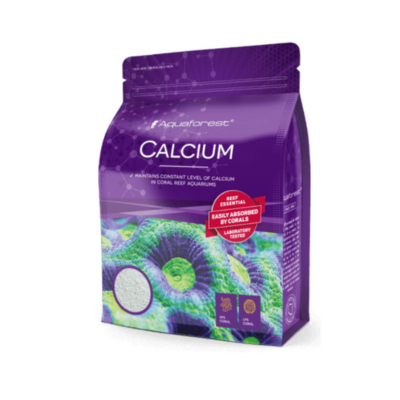
Aquaforest Calcium
₹1,050.00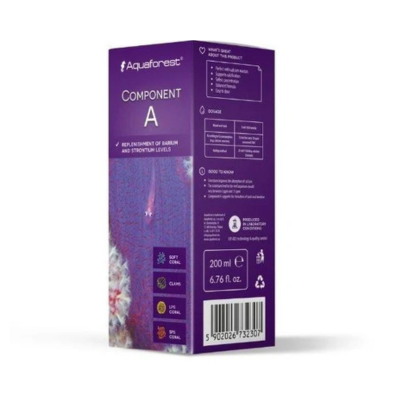
Aquaforest Component A
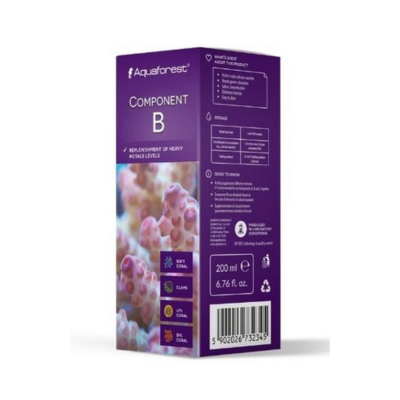
Aquaforest Component B
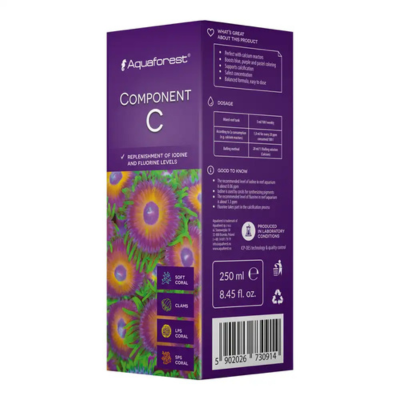
Aquaforest Component C
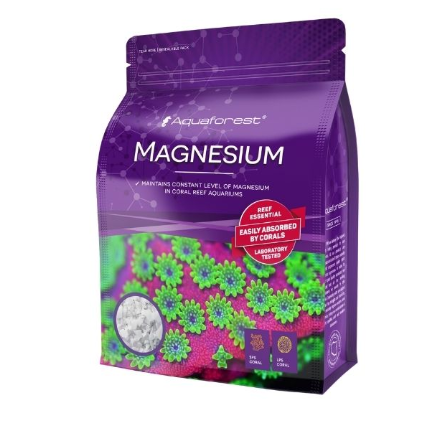
Aquaforest Magnesium
₹1,050.00
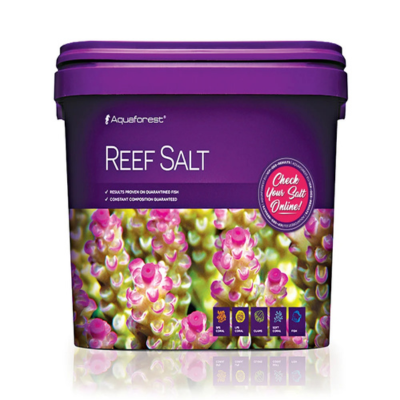
Aquaforest Reef Salt Mix
₹3,900.00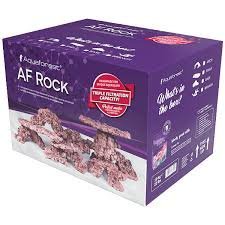
Aquaforest Rocks — Synthetic Marine Rock (New Generation) for Reef Aquariums
₹10,800.00 – ₹16,200.00Price range: ₹10,800.00 through ₹16,200.00
Aquatic Remedies Amozeal
₹675.00
Marine Aquarium Products Online India
Written by Pavan | Marine Aquarium Hobbyist and Co-founder, Ocean Paws Hyderabad | Last updated: September 2026
A marine aquarium is the most visually spectacular thing you can keep in your home. The colours of a reef tank, with its clownfish weaving through anemones, tangs patrolling open water, and corals opening their polyps under blue light, cannot be replicated by any other type of aquarium. At Ocean Paws we stock a complete range of marine aquarium products including reef salt, protein skimmers, LED lights, filter media, water conditioners, test kits and marine fish food. Every product is selected by Pavan, a marine hobbyist who has been keeping reef tanks in Hyderabad for over 20 years.
Why Marine Aquariums Are Worth the Challenge
Marine fishkeeping is genuinely more demanding than freshwater. The water chemistry is more complex, the equipment costs more, and the margin for error is smaller. Anyone who tells you otherwise is selling something. But the rewards are proportionally greater. No freshwater fish competes with the colour of a flame angelfish or a mandarin dragonet. No freshwater coral grows and pulses under your reef lights. No freshwater system produces the same sense of having a living slice of the Indian Ocean in your living room.
The marine hobby in India has grown significantly over the past decade. Reef keepers in Hyderabad, Bangalore, Mumbai, Chennai and Pune are maintaining increasingly sophisticated systems. The availability of quality equipment has improved, shipping has become more reliable, and the Indian reef keeping community has built real knowledge about what works in Indian water conditions, Indian room temperatures and on Indian power supplies.
If you have kept a freshwater tank successfully and want the next challenge, a marine aquarium is the natural step forward.
Marine Aquarium Setup Costs in India
Being honest about cost is something most stores avoid. Here is what a realistic marine setup actually costs in India at current prices.
| Setup Type | Tank Size | Equipment Cost | Difficulty |
|---|---|---|---|
| Nano Fish Only | 60 to 100 litres | ₹8,000 to ₹18,000 | Beginner |
| Fish Only With Live Rock (FOWLR) | 100 to 200 litres | ₹20,000 to ₹45,000 | Beginner to intermediate |
| Soft Coral Reef | 150 to 300 litres | ₹40,000 to ₹90,000 | Intermediate |
| Mixed Reef (LPS and SPS) | 200 to 400 litres | ₹80,000 to ₹2,00,000 | Advanced |
| SPS Dominated Reef | 300 litres or more | ₹1,50,000 or more | Expert |
These figures include equipment only and not livestock. If your city requires a chiller, add ₹15,000 to ₹40,000 to the equipment cost.
Essential Marine Aquarium Products at Ocean Paws
Marine Aquarium Salt
The foundation of every saltwater system is quality reef salt. Dissolving marine salt in RO water creates the synthetic seawater your fish, corals and invertebrates live in. Not all salts are equal. Cheap salts produce unstable parameters, inconsistent trace element levels and cloudiness that affects coral growth. Good reef salt dissolves cleanly, achieves consistent salinity, and provides the full spectrum of trace elements that corals require.
We stock Blue Treasure reef salt and SPS salt in multiple sizes. Blue Treasure has earned a strong reputation among Indian reef keepers for consistent quality and excellent value. Browse our marine aquarium salt range for full options and sizes.
Protein Skimmers
A protein skimmer is the most important piece of filtration equipment in a marine or reef system. It removes dissolved organic compounds from the water column before they break down into ammonia and nitrates, keeping nutrient levels low and water crystal clear. In Indian conditions where room temperatures frequently exceed 28°C and accelerate organic decomposition, a protein skimmer is not optional. It is essential.
We stock Bubble Magus and Boyu skimmers in sizes suited to tanks from 60 litres to 500 litres and above. See our complete protein skimmers range including our detailed size selection guide.
Marine Aquarium LED Lights
Reef corals are living animals that require specific light spectrums and intensities to photosynthesise and grow. The blue wavelengths between 420nm and 480nm drive the symbiotic zooxanthellae algae that live within coral tissue and provide them with up to 90 percent of their energy requirements. Without adequate blue spectrum light at sufficient intensity, corals slowly starve, bleach and die.
Modern marine LED lights combine blue, white, ultraviolet and sometimes red channels to replicate the spectral quality of tropical reef sunlight. We stock marine LED lights from Maxspect, Aqua Knight and GAKO, all proven performers in Indian reef tanks. See our marine aquarium lights range for full specifications.
Marine Filter Media
Marine filtration requires biological, mechanical and chemical media working together. Biological media such as ceramic rings and bio blocks houses the beneficial bacteria that process ammonia and nitrite through the nitrogen cycle. GFO granular ferric oxide removes phosphate, which at even low levels inhibits coral growth and fuels nuisance algae. Activated carbon removes dissolved organics, yellowing compounds and chemical impurities, keeping water clear and bright.
We stock GFO phosphate remover, activated carbon and biological media selected for performance in Indian marine systems. Browse our marine filter media range for complete filtration solutions.
Marine Water Conditioners and Additives
Corals need stable levels of alkalinity, calcium and magnesium to build their calcium carbonate skeletons. As corals grow they consume these elements and levels drop. Water conditioners and two-part dosing solutions replenish these elements between water changes, maintaining the stability that SPS corals in particular demand. We also stock dechlorinators, bacterial starters and general marine conditioners for system setup and maintenance. See our marine water conditioners range.
Marine Test Kits
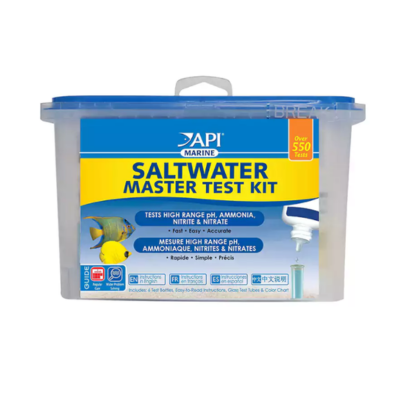
You cannot manage what you do not measure. Regular water testing is what separates reef tanks that thrive from ones that slowly decline. A marine hobbyist needs to monitor salinity, pH, ammonia, nitrite, nitrate, phosphate, alkalinity, calcium and magnesium. Testing these parameters weekly in an established reef and daily during cycling gives you the data to make corrections before problems become visible on your fish or corals. See our marine test kits range.
Marine Fish Food
Marine fish have specific dietary requirements. Tangs need algae-based foods rich in plant matter. Angelfish need sponge and algae-based nutrition. Predatory fish like lionfish and puffers need meaty frozen or live foods. Reef-safe wrasses and gobies need frequent small feedings of meaty preparations. Feeding the right food prevents nutritional deficiencies, maintains natural colours and reduces stress-related disease. Browse our marine fish food range for species-appropriate options.
Marine Rock and Sand
Dry rock and live rock serve as the primary biological filtration surface in most marine systems, housing the bacterial colonies that process waste. Calcium-based substrates including aragonite sand buffer pH and provide a natural ocean-floor aesthetic. We stock marine rock and marine sand suitable for both FOWLR and reef setups.
Types of Marine Aquarium Setups
Fish Only With Live Rock (FOWLR)
A FOWLR system is the best entry point into marine fishkeeping. It uses live rock for biological filtration and decoration but keeps no corals, which eliminates the need for high-intensity lighting and complex dosing. Water quality requirements are less stringent than a reef system and many fish that are incompatible with corals, including triggers, puffers, large angelfish and lionfish, can be kept in a FOWLR. This setup is significantly less expensive than a reef system and considerably more forgiving for beginners.
Soft Coral Reef
Soft corals including leathers, mushrooms, zoanthids and xenia are the ideal first corals for a beginning reef keeper. They are tolerant of a wider range of water conditions than hard corals, grow readily under moderate lighting, and do not have the strict calcium and alkalinity demands of stony corals. A soft coral reef can be genuinely spectacular while remaining accessible to intermediate hobbyists. This is the setup Pavan recommends for anyone moving from a FOWLR into their first reef.
LPS Reef
Large polyp stony corals including brains, hammers, torches, trumpets and elegance corals represent a step up in both visual impact and care requirements. They need stable alkalinity, calcium and magnesium and prefer moderate to high water flow. LPS corals are among the most rewarding reef inhabitants because many of them extend dramatic sweeper tentacles at night and show spectacular movement in flowing water.
SPS Dominated Reef
Small polyp stony corals including Acropora, Montipora, Stylophora and Pocillopora represent the pinnacle of the reef keeping hobby. They demand the most stable water parameters of any coral group, require high intensity lighting with strong blue spectrum, and are unforgiving of swings in alkalinity, calcium or temperature. An SPS dominated reef is only appropriate for hobbyists with at least two years of reef keeping experience and established systems with consistent water chemistry.
Indian-Specific Marine Aquarium Challenges and Solutions
Water Quality: Why RO Water Is Essential
Indian municipal tap water contains phosphates, silicates, chloramines and heavy metals at levels that are safe for human consumption but harmful to reef corals. Phosphate in tap water at even 0.1 ppm will inhibit coral calcification and fuel nuisance algae that can cover and kill corals within weeks. Always use RO or RO/DI filtered water for mixing saltwater and for topping off evaporation. An RO unit is one of the best investments you can make for long-term reef keeping success in India.
Temperature: The Chiller Question
This is the question Pavan gets asked most often by new Indian reef keepers. Reef corals are sensitive to temperatures above 29°C and begin bleaching above 30°C. Indian summer room temperatures regularly reach 32°C to 36°C in cities like Hyderabad, Chennai and Mumbai between March and June. A chiller or a dedicated air conditioned room is essential for keeping a reef tank healthy through Indian summers. This is not negotiable for a system with live corals.
For FOWLR systems without corals, marine fish are more temperature tolerant and many hobbyists manage without a chiller in cities with moderate summers using fans and good water circulation to keep temperatures below 30°C.
Power Cuts
Power cuts remain a real challenge in many Indian cities, particularly during summer when the grid is under maximum load. A marine system is more vulnerable to power cuts than freshwater because of the salt creep that occurs when water circulation stops and the rapid oxygen depletion in warm water. A UPS for your main pump and protein skimmer is a worthwhile investment for any marine hobbyist in India. Even a 30-minute power cut in a heavily stocked reef tank at 30°C can cause measurable stress.
Water Parameters for Indian Marine Aquariums
| Parameter | FOWLR Target | Reef Target | Test Frequency |
|---|---|---|---|
| Salinity / SG | 1.020 to 1.025 | 1.025 to 1.026 | Daily top-off, weekly full test |
| Temperature | 24°C to 27°C | 25°C to 26°C | Daily |
| pH | 8.0 to 8.4 | 8.1 to 8.3 | Weekly |
| Ammonia | 0 ppm | 0 ppm | Weekly in established tank |
| Nitrite | 0 ppm | 0 ppm | Weekly in established tank |
| Nitrate | Under 20 ppm | Under 5 ppm for SPS | Weekly |
| Phosphate | Under 0.1 ppm | Under 0.03 ppm for SPS | Weekly |
| Alkalinity | Not critical | 8 to 10 dKH | Twice weekly for SPS |
| Calcium | Not critical | 380 to 430 ppm | Weekly |
| Magnesium | Not critical | 1250 to 1350 ppm | Monthly |
Popular Marine Fish in India
| Fish | Reef Safe | Tank Size | Difficulty | Feeding |
|---|---|---|---|---|
| Clownfish | Yes | 60 litres or more | Beginner | Pellets, frozen mysis |
| Damselfish | Yes (mostly) | 60 litres or more | Beginner | Pellets, flakes |
| Royal Gramma | Yes | 80 litres or more | Beginner | Pellets, frozen mysis |
| Yellow Tang | Yes | 200 litres or more | Intermediate | Algae, nori, pellets |
| Firefish Goby | Yes | 60 litres or more | Beginner | Frozen mysis, copepods |
| Flame Angelfish | With caution | 120 litres or more | Intermediate | Algae, frozen, pellets |
| Lionfish | No | 200 litres or more | Intermediate | Frozen silversides, krill |
| Mandarin Dragonet | Yes | 120 litres or more | Advanced | Live copepods mainly |
Setting Up a Marine Aquarium in India: Step by Step
Step 1: Choose Your System Type
If this is your first marine setup, start with a FOWLR system of at least 100 litres. Do not start with a nano reef under 60 litres regardless of what you read online. Small volumes fluctuate too rapidly in Indian room temperatures and are extremely unforgiving. A FOWLR of 100 to 150 litres is a genuinely achievable starting point that can be upgraded to a reef system later.
Step 2: Source RO Water Before You Buy Equipment
This step comes before buying a tank because if you cannot access or produce RO water, you cannot successfully keep a marine system. Options include purchasing an RO unit for home use, buying RO water from a local purified water supplier, or using an RO water dispensing station. Confirm your water source before spending on equipment.
Step 3: Set Up Equipment and Add Saltwater
Mix your chosen marine salt with RO water in a bucket using a powerhead to achieve complete dissolution before adding to the tank. Measure specific gravity with a refractometer, not a hydrometer, which is not accurate enough for a reef system. Target 1.025 for a reef or 1.020 to 1.024 for FOWLR. Add your dry rock and substrate. Install your protein skimmer, return pump and powerheads.
Step 4: Cycle the Tank
Marine tanks require a full nitrogen cycle before adding fish, exactly as freshwater tanks do. The cycle typically takes 4 to 8 weeks in a new marine system. Use a quality bacterial starter product to speed the process. Test ammonia and nitrite weekly. Only proceed to adding fish when both read zero consistently for at least two weeks.
Step 5: Add Fish Slowly
Start with one or two hardy fish such as clownfish or damselfish and wait four to six weeks before adding more. Each addition increases the bioload and demands more from your filtration. Adding too many fish too quickly is the most common cause of ammonia spikes that crash otherwise well-built marine systems.
Step 6: Add Corals Only to Established Systems
Do not add corals to a tank less than three months old. Corals require stable parameters and an established biological filtration system. Adding corals to a newly cycled tank almost always results in losses that discourage beginners from continuing in the hobby.
Why Buy Marine Aquarium Products from Ocean Paws
Ocean Paws was founded by Pavan, who started keeping marine tanks in Hyderabad over 20 years ago. Every product we stock has been evaluated in real Indian conditions. When Pavan stocks a skimmer, a reef salt or a LED light, it is because he has either used it himself or researched it thoroughly within the Indian reef keeping community. We do not stock products simply because they are available from distributors or because they have good packaging.
We ship marine products across India with careful packaging. Fragile items including glass CO2 diffusers, skimmer bodies and test kit reagents are packed to survive the rigours of Indian courier networks. If something arrives damaged, contact us directly.
Frequently Asked Questions About Marine Aquariums in India
How much does it cost to set up a marine aquarium in India?
A basic nano FOWLR setup of 60 to 100 litres costs approximately ₹8,000 to ₹18,000 for equipment. A beginner reef system of 150 to 200 litres with soft corals costs ₹40,000 to ₹90,000 for equipment. Add ₹15,000 to ₹40,000 for a chiller if your city requires one. These are realistic figures based on actual Indian market prices, not estimates from international sources.
Do I need a chiller for a marine aquarium in India?
For a reef system with live corals in most Indian cities, yes. Reef corals begin bleaching above 29°C and most Indian cities see room temperatures well above this from March to June. Cities like Hyderabad, Chennai, Mumbai and Bangalore require either a chiller or air conditioning running consistently during summer months for any system with sensitive corals. FOWLR systems are more tolerant and some hobbyists manage without a chiller using fans and good circulation, but it is a risk.
Can I use Indian tap water for a marine aquarium?
No. Indian tap water contains phosphates, silicates, chloramines and heavy metals that are harmful to reef corals and will drive persistent algae problems. You must use RO or RO/DI filtered water for all water mixing and top-offs. This is not optional for a successful reef system in India.
What is the easiest marine fish to keep in India?
Clownfish are the most practical starting fish for any new marine setup in India. They are hardy, widely available, tolerant of a reasonable range of water parameters, eat readily and are genuinely interesting to watch. A pair of clownfish in a well-maintained FOWLR or soft coral reef system is an achievable and satisfying first marine experience.
How long does it take to cycle a marine aquarium?
A marine tank typically takes 6 to 8 weeks to complete the nitrogen cycle using dry rock and a bacterial starter. Using cured live rock significantly speeds this up. The cycle is complete when ammonia and nitrite both consistently read zero across multiple weekly tests. Do not add fish until you have confirmed zero readings for at least two consecutive weeks.
What is the difference between a reef tank and a FOWLR?
A FOWLR system contains only fish and live rock, no corals or invertebrates. It requires a protein skimmer and good filtration but does not need high-intensity lighting or regular alkalinity dosing. A reef system adds live corals and often invertebrates, requiring specialised LED lighting, strict water parameter control and usually supplementation of alkalinity, calcium and magnesium as corals grow and consume these elements.
Which protein skimmer do I need for my tank size?
Choose a skimmer rated for at least 1.5 times your actual tank volume. A 150 litre reef needs a skimmer rated for at least 200 to 250 litres. In Indian summer conditions where warm water increases organic load, sizing up is always the better choice. See our protein skimmer size guide for a complete breakdown by tank volume and bioload.
Can I keep corals without a sump?
Yes. Many successful reef tanks in India run without a sump, using only a hang-on protein skimmer, internal filtration, a powerhead for circulation and a hang-on refugium for additional nutrient export. A sump makes equipment management tidier and increases total water volume which improves stability, but it is not a requirement for a first reef system.
Written by Pavan, co-founder of Ocean Paws and marine aquarium specialist with over 20 years of hands-on reef keeping experience in Hyderabad, India.


