 Dog Grooming Products
Filter by category
Showing all 2 results
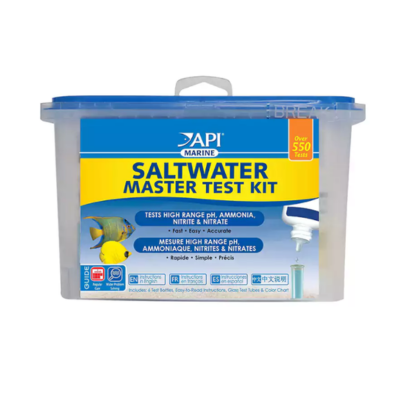
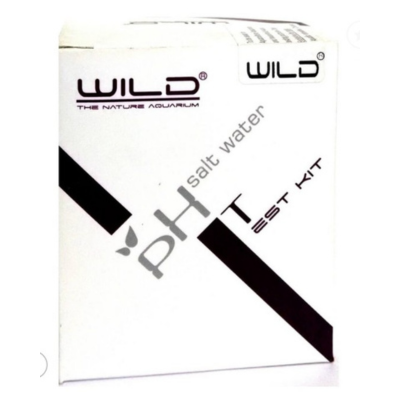
Wild pH Test Kit by Aquatic Remedies for Saltwater Aquariums
Marine Test Kits for Reef and Saltwater Aquariums
Healthy marine fish and vibrant corals depend on stable water chemistry. Marine Test Kits are the tools that let you see that chemistry clearly. With the right test kit in hand, you can catch problems early, dose with confidence, and keep your reef thriving all year round. At Ocean Paws, we stock a wide range of Marine Test Kits for every saltwater aquarium and every budget.
Why Testing Is Essential for Every Marine Tank
A marine aquarium is a closed system. Fish waste, evaporation, and natural biological processes constantly shift your water parameters. Without regular testing, these shifts are invisible until they cause visible damage to your fish or corals. By the time a coral bleaches or a fish shows stress, the problem has usually been building for days or weeks.
Marine Test Kits remove the guesswork. They show you exactly what is happening in your water column so you can correct small problems before they become expensive ones. This is especially important in India where seasonal temperature swings, variable tap water quality, and monsoon humidity all affect aquarium chemistry in ways that hobbyists in other countries do not face.
Essential Parameters to Test in a Marine Aquarium
Salinity
Salinity is the most fundamental parameter in any saltwater tank. The target range for a reef aquarium is 1.024 to 1.026 SG. Test salinity at every water top-off using a calibrated refractometer.
Ammonia and Nitrite
Both must read zero in an established marine tank at all times. Any reading above zero indicates a biological filtration problem that needs immediate attention. Test weekly in established tanks and daily during the cycling period.
Nitrate
Nitrate accumulates from biological filtration and feeds algae. For a mixed reef, nitrate should stay below 20 ppm. For an SPS dominated tank, keep nitrate below 5 ppm. Test weekly.
Phosphate
Phosphate at even low levels inhibits coral calcification and fuels persistent algae growth. Target below 0.05 ppm for a mixed reef and below 0.03 ppm for an SPS tank. Test weekly.
Alkalinity
Alkalinity is consumed by corals as they grow. The target range for a reef tank is 8 to 11 dKH. Test twice weekly in SPS tanks and weekly in soft and LPS coral systems.
Calcium
Calcium is the other half of the coral calcification equation. Target 380 to 430 ppm in a reef tank. Test weekly alongside alkalinity.
Magnesium
Magnesium stabilises the relationship between calcium and alkalinity. Target 1250 to 1350 ppm. Test monthly in established tanks.
pH
pH should stay between 8.1 and 8.3 in a reef tank throughout the day. pH naturally drops overnight as CO2 levels rise. Test at the same time of day for consistent comparable readings.
Liquid Test Kits vs Test Strips vs Electronic Meters
Liquid test kits are the standard choice for most hobbyists. They use chemical reagents to produce a colour change that you compare against a colour chart. They are accurate, affordable, and available for every parameter you need to monitor. Most Indian reef keepers start with a liquid test kit master set covering ammonia, nitrite, nitrate and pH.
Test strips are quick and convenient but they are significantly less accurate than liquid tests. They should not be used as the primary testing method for any reef tank with live corals.
Electronic meters and photometers are the most accurate option available. Salifert, Hanna and Red Sea all make electronic testing devices that remove human error from colour comparison entirely. These are the preferred choice for serious reef keepers managing SPS corals where precision matters most.
Shop Marine Test Kits at Ocean Paws
Ocean Paws stocks marine test kits for every parameter your reef needs. We ship fast across India. Also see our full marine aquarium range including marine water conditioners and marine filter media.
Frequently Asked Questions About Marine Test Kits
Which Marine Test Kits do I need for a new saltwater tank?
For a new tank during the cycling period, you need an ammonia test kit, a nitrite test kit, a nitrate test kit and a pH test kit at minimum. Once the tank is established and you add corals, add alkalinity, calcium and phosphate test kits to your routine. A refractometer for salinity is essential from day one.
How often should I test my reef tank water?
Salinity should be checked at every top-off with RODI water. Ammonia, nitrite and nitrate should be tested weekly in an established tank. Alkalinity should be tested twice weekly in tanks with SPS corals. Calcium and magnesium can be tested weekly and monthly respectively.
What parameters matter most for coral growth?
Alkalinity, calcium and magnesium are the three most critical parameters for coral growth and health. These three work together to drive calcification. Beyond these, stable salinity, low phosphate and low nitrate create the environment where corals colour up and grow consistently.
Are liquid test kits better than test strips?
Yes. Liquid test kits are significantly more accurate than test strips for marine aquarium use. Test strips cannot distinguish fine differences in parameter values and are not reliable enough for reef tank management where precision matters.
Can beginners use Marine Test Kits easily?
Yes. Liquid test kits come with clear step-by-step instructions and colour comparison charts. Most beginners can produce accurate readings from their first test. The key is to follow the instructions precisely, count your drops carefully and read the colour in natural daylight for the most accurate comparison.
Where can I buy genuine Marine Test Kits in India?
Ocean Paws stocks genuine marine test kits with fast delivery across India. All products are sourced directly from authorised distributors.
Written by Pavan, co-founder of Ocean Paws and marine aquarium specialist with 20 years of hands-on reef keeping experience in Hyderabad, India.


