 Dog Grooming Products
Showing the single result
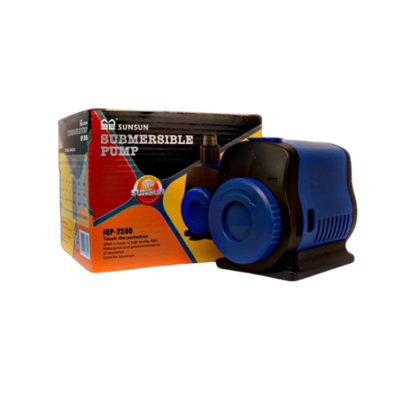
Sunsun Submersible Pump JQP Series
₹1,150.00 – ₹2,499.00Price range: ₹1,150.00 through ₹2,499.00Submersible Aquarium Pump for Freshwater and Marine Tanks
A submersible aquarium pump is the heart of every healthy fish tank. Without reliable water movement, your aquarium becomes stagnant, oxygen levels fall, and harmful waste builds up quickly throughout the tank. Every aquarium in India, whether it is a compact freshwater setup, a lush planted tank, or a thriving marine reef system, depends on a quality submersible aquarium pump to stay clean, stable, and full of life.
At Ocean Paws we stock submersible aquarium pumps suitable for freshwater filters, marine sumps, and reef return lines. Every pump is selected for reliable performance, quiet operation and durability in Indian conditions including extended power cut recovery and year-round use in high ambient temperatures.
What a Submersible Aquarium Pump Does
A submersible aquarium pump moves water through your filtration system and around your tank. In a freshwater setup it typically drives an internal filter, a sponge filter, or a small canister system. In a marine setup it powers the sump return line, bringing filtered water from the sump back up to the display tank and maintaining the continuous water turnover that keeps a reef system healthy.
Beyond filtration, water movement distributes oxygen, heat and nutrients evenly throughout the tank. It prevents cold spots, dead zones and waste accumulation in corners and behind rockwork. In a planted tank it ensures CO2 and nutrients reach every leaf surface. In a reef tank it keeps coral tissue clean of settled detritus and delivers food and trace elements evenly.
Choosing the Right Submersible Aquarium Pump
Flow Rate
Flow rate is measured in litres per hour (LPH). As a general rule for freshwater and planted tanks, choose a pump with a flow rate of 5 to 10 times your tank volume per hour. A 100 litre tank needs a pump delivering 500 to 1000 LPH. For marine reef systems, the total turnover including wavemakers should reach 20 to 40 times tank volume per hour. The sump return pump alone typically delivers 5 to 10 times tank volume.
Head Pressure
Head pressure refers to the reduction in flow rate as the pump pushes water upward against gravity. Every pump has a maximum head height — the vertical distance it can push water before flow drops to zero. For a sump return pump, calculate the vertical distance from your sump water level to your display tank overflow and choose a pump rated for at least twice that height. A pump rated for 1 metre of head will deliver full flow only when pumping horizontally. At 0.5 metres of vertical rise it will already deliver less than rated flow.
Power Consumption
Submersible aquarium pumps run 24 hours a day, 365 days a year. Power consumption matters. A pump drawing 30 watts more than it needs to costs around ₹2,000 to ₹3,000 extra per year in electricity at Indian domestic tariffs. DC-powered variable speed pumps are significantly more energy efficient than traditional AC pumps and allow you to fine-tune flow rate without restricting the outlet.
Noise Level
Pump noise is a real quality of life consideration for any aquarium in a living room or bedroom. Cheaper pumps with lower-quality impellers vibrate against surfaces and create distracting humming. Quality pumps with ceramic shaft bearings and balanced impellers run near-silently even at full power.
Submersible Pump Maintenance
Clean your submersible pump impeller monthly. Calcium deposits in hard Indian tap water and biofilm accumulation on the impeller reduce flow rate gradually. Remove the pump, disassemble the impeller housing, and soak the impeller in undiluted white vinegar for 15 minutes to dissolve calcium deposits. Rinse thoroughly and reassemble before returning to the tank.
Never run a submersible pump dry even briefly. Operating without water damages the ceramic shaft bearing and seal within seconds. Always ensure the pump is fully submerged before switching on after maintenance or a water change.
Shop Submersible Aquarium Pumps at Ocean Paws
We stock submersible pumps for freshwater, planted and marine setups with fast delivery across India. Also see our aquarium air pumps, aquarium filters and protein skimmers for complete filtration solutions.
Frequently Asked Questions About Submersible Aquarium Pumps
What size submersible aquarium pump do I need for my tank?
For freshwater and planted tanks, choose a pump delivering 5 to 10 times your tank volume per hour. For a 100 litre tank, target 500 to 1000 LPH. For a marine sump return pump, choose a pump rated for at least twice the vertical head height between your sump water level and your display tank overflow, then select flow rate based on 5 to 10 times display tank volume per hour at that head height.
Can I use a submersible aquarium pump in a saltwater tank?
Yes, but check that the pump is rated for saltwater use before buying. Many basic submersible pumps use steel shaft components that corrode rapidly in saltwater. Quality marine-rated submersible pumps use ceramic shafts and corrosion-resistant impeller housings that perform reliably in saltwater for years. Always confirm saltwater compatibility in the product specifications.
How long does a submersible aquarium pump last?
A quality submersible aquarium pump lasts 3 to 5 years with regular maintenance. The impeller is the component most likely to wear first. Most manufacturers sell replacement impellers separately. Cleaning the impeller monthly and avoiding dry running significantly extends the lifespan of any pump.
Why is my submersible aquarium pump making noise?
The most common cause is calcium deposit buildup on the impeller reducing balance and causing vibration. Soak the impeller in white vinegar for 15 minutes to dissolve deposits. If the noise persists after cleaning, the impeller bearing may be worn and the impeller needs replacement. A pump that vibrates against the tank glass or sump walls can also transmit noise — use suction cup mounts to isolate the pump from solid surfaces.
Should I turn off my submersible aquarium pump at night?
No. Submersible aquarium pumps should run continuously 24 hours a day. Stopping water circulation at night causes oxygen levels to drop, allows waste to settle and accumulate, and disrupts the biological filtration cycle. The only exception is during feeding time when some hobbyists pause flow briefly to prevent food from being swept into the filter before fish can eat it.
What is the difference between a submersible pump and an external pump?
A submersible pump operates fully underwater inside the sump or tank. It is simpler to install, self-priming, quieter in most cases, and more suitable for smaller aquarium systems. An external pump sits outside the sump and draws water through an inlet pipe. External pumps are easier to service and more suitable for very large systems with high flow requirements, but they require careful plumbing to prevent air leaks and priming problems.
Can I use a freshwater submersible pump in a reef tank?
Only if it is rated for saltwater use. Many freshwater-rated pumps use steel shaft components that corrode in saltwater within weeks. Check the specifications before use. If the pump is rated for freshwater only, do not use it in a marine or reef setup regardless of how briefly you plan to run it.
How do I calculate head pressure for my sump return pump?
Measure the vertical distance from your sump water surface to the point where the return line exits into your display tank. This is your static head. Add 10 percent for every 90-degree bend in your plumbing and add the equivalent of 0.3 metres for every metre of horizontal pipe run. Choose a pump whose rated flow at that total head height meets your target turnover rate. Most pump manufacturers provide head pressure curves in their specifications showing flow rate at different vertical heights.
Written by Pavan, co-founder of Ocean Paws and marine aquarium specialist with 20 years of hands-on reef keeping experience in Hyderabad, India.


