 Dog Grooming Products


Filter by category
Showing all 5 results
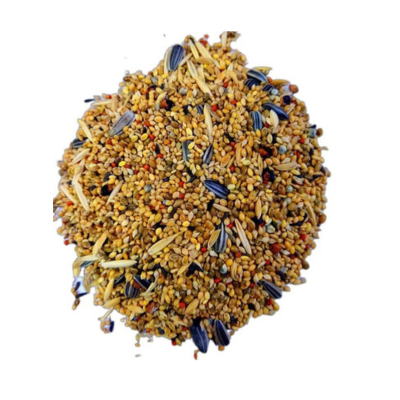
Budgies Seed Mix
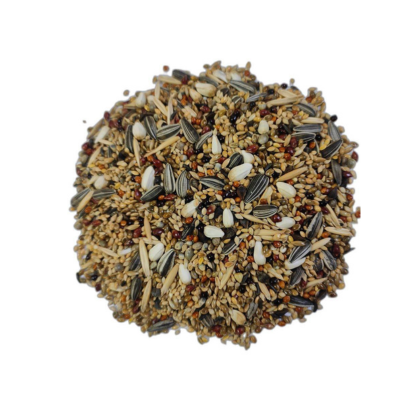
Cockatiel Seed Mix
₹190.00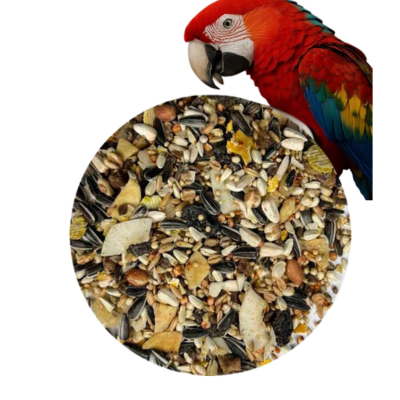
Macaw Seed Mix
₹550.00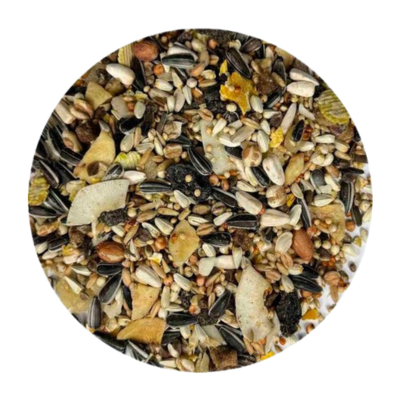
Small Conure Seed Mix
₹250.00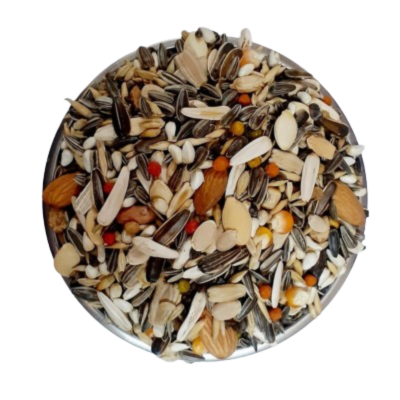
Sun Conure Seed Mix
₹220.00Pet Birds Products Online India
Birds bring colour, sound and life into any home. Our Birds category is built for every bird owner, from a first time budgie parent to someone who cares for a whole aviary. Here you will find bird food, cages, toys, grooming tools and health care items, all gathered in one place.
Keeping birds as pets has grown steadily across India in recent years. More homes now have a cage by the window, and more families are learning what their birds truly need to stay active and happy. Good food and the right accessories make all the difference.
Popular Pet Birds Kept in India
Budgerigars, often called budgies, are small, cheerful and easy to care for. They are one of the most common pet birds in Indian homes and can live between five and ten years with good care. Cockatiels are gentle, social birds known for their soft whistles and crest, and they usually live fifteen to twenty years. Lovebirds are compact, colourful and full of energy, bonding closely with their owners and needing regular mental stimulation to stay content. Finches and canaries are quieter birds that many people keep for their gentle songs, doing well in pairs or small groups.
Indian ringneck parakeets and larger parrots are intelligent and long-lived birds that need more space, more attention and a wider variety of toys to stay mentally healthy.
Before bringing home any bird, check its legal status. Native Indian wild birds are protected under the Wildlife Protection Act and keeping them without proper permission is not allowed. Common pet species such as budgies, cockatiels and lovebirds are exotic birds and are widely and legally kept as pets across the country. Always buy from a trusted source.
Choosing the Right Bird Food
Bird food is not one size fits all. Different birds need different diets, and getting this right keeps your bird active, bright-eyed and free from many common health problems.
Seed-based mixes remain popular and usually include millet, sunflower and safflower seeds. Seeds give energy, but a diet made only of seeds is not balanced on its own. Pellet-based bird food is formulated to give a fuller range of nutrients in every bite. Many avian experts now recommend a mix of pellets and seeds rather than seeds alone.
Fresh fruits and vegetables add important vitamins. Small pieces of apple, carrot, spinach and cucumber are enjoyed by most seed-eating birds. Sprouted seeds are another healthy addition since sprouting increases the nutrient value significantly.
Calcium is essential, especially for breeding birds and hens that lay eggs. A cuttlebone or mineral block placed inside the cage lets the bird nibble on it whenever needed. Clean, fresh water should be available every single day and water bowls should be washed daily.
Some common foods are unsafe for birds and should be avoided completely: avocado, chocolate, caffeine, salty snacks, fried food, onion and garlic. Even small amounts of these can harm a bird.
Bird Cages and Housing Essentials
The cage is your bird’s home, so choosing the right one matters a great deal. A bird should be able to stretch both wings fully without touching the bars and should have room to move between perches. Bar spacing should match the size of the bird so small birds cannot slip their heads through. Choose cages that are powder coated or made from stainless steel, and avoid cages with paint or coating that may contain zinc or lead since birds naturally chew on cage bars.
Perches should come in a few different diameters. Uneven perch sizes keep a bird’s feet flexible and help prevent foot problems that come from gripping the same shape all day. Place the cage away from the kitchen since fumes from nonstick cookware are highly toxic to birds. Avoid placing the cage in direct sun through glass, in a cold draft or right next to an air conditioner vent.
Bird Accessories for Enrichment and Grooming
Toys matter more than many owners realise. Foraging toys that hide small treats encourage natural feeding behaviour, while chew toys made from safe wood or fibre help wear down the beak naturally. Swings and ladders add movement and exercise inside the cage.
Most birds genuinely enjoy a bath. A shallow bath dish or a light misting spray a few times a week keeps feathers clean and skin comfortable. Grooming tools such as nail files and beak conditioning perches support day-to-day upkeep between vet visits.
Bird Health Tips for Indian Hobbyists
A healthy bird is usually alert, has bright eyes, smooth feathers and a steady appetite. Watch for warning signs such as fluffed-up feathers held for long periods, discharge from the eyes or nostrils, sudden loss of appetite, or heavy tail bobbing while breathing. Any of these can point to illness and should be checked by an avian vet without delay.
Regular cage cleaning prevents the buildup of bacteria and fungus, which can spread quickly in a warm, humid Indian environment. Wipe down food and water areas daily and do a full cage clean once a week. New birds should be kept apart from existing pets for a short quarantine period before being introduced.
Shop Bird Products at Ocean Paws
We stock bird food, accessories and care products with fast delivery across India. Also see our birds food range for species-specific options.
Frequently Asked Questions About Pet Birds
What is the best food for pet birds?
Most pet birds do well on a mix of good quality seeds or pellets, fresh fruits and vegetables, and occasional protein during breeding season. A cuttlebone or mineral block adds calcium, and fresh water should be given daily.
How often should I clean a bird cage?
Wipe down food and water areas daily, and do a full cage clean including the tray and perches once a week. Birds are sensitive to bacteria and regular cleaning matters more than it might seem.
Can I keep birds in an apartment in India?
Yes. Many small to medium birds such as budgies, cockatiels and lovebirds adapt well to apartment living as long as the cage is a good size and they get daily time and attention. Keep the cage away from the kitchen and avoid placing it near air conditioning vents or in direct sun.
What size cage does my bird need?
Your bird should be able to fully stretch both wings without touching the bars and should have space to move between perches. Larger, more active birds need larger cages. When in doubt, choose a bigger cage rather than a smaller one.
Are all pet birds legal to keep in India?
Common exotic pet birds such as budgies, cockatiels and lovebirds are legal to keep in India. Native wild bird species are protected under the Wildlife Protection Act and should not be kept without proper authorisation. Always buy from a registered and reliable seller.
How long do pet birds live?
Lifespan varies significantly by species. Budgies typically live around five to ten years. Cockatiels can live fifteen to twenty years. Larger parrots often live for several decades with proper care. The commitment involved in keeping a long-lived bird is worth considering before bringing one home.
Written by the Ocean Paws Team, pet care specialists at Ocean Paws, Hyderabad, India.


